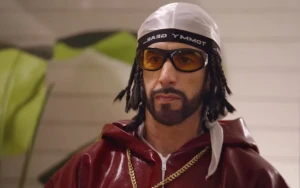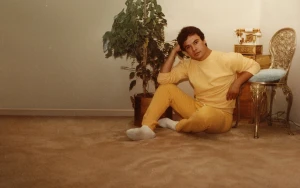
Dua Saleh on surviving wildfires and floods, and how environmental crises shape their music and art.
- May 6, 2026
AceShowbiz - Dua Saleh has experienced a series of natural disasters that deeply shaped their outlook on the world and inspired their latest work. After relocating to Glendale, California, Saleh faced the reality of Los Angeles' relentless wildfires. Later, while filming the Netflix series Sex Education in Wales, they encountered severe flooding in Cardiff. These events propelled Saleh to reflect on themes of environmental crisis and societal collapse.
At 31, the Sudan-born, Minneapolis-raised, and Los Angeles-based artist is channeling these experiences into their music and art. They composed a song called "Flood," a meditation on the planet’s fragility and humanity’s neglect of its ecosystems. Saleh observes, "I was like, 'Damn, we're not paying enough attention to how our home is being affected.'" They describe society’s apathy as rooted in trauma compounded by political farce and technological overreach, especially the rise of AI. "Drones are bombing countries because of AI. We're being surveilled by AI. Water sources are being depleted because of AI. I'm watching the world crash out as it's depleted of its sources of life," Saleh explains.
Known for their multidisciplinary work as an actor, writer, and singer, Dua Saleh has gained visibility through their role on Sex Education and collaborations with major artists like Travis Scott, appearing on his 2023 album Utopia. They've also worked alongside musicians such as Serpentwithfeet and count Moses Sumney among their admirers. Their upcoming second album, Of Earth & Wires, marks a significant step forward and includes contributions from poet-musician Aja Monet, fellow Sudanese artist Gaidaa, and Bon Iver, who lends vocals on three tracks including the standout "Flood."
Of Earth & Wires is a genre-blending project combining indie pop, noise rock, spoken-word poetry, folk, and R&B. It continues the narrative introduced in Saleh’s 2024 debut album, I Should Call Them, which followed two fictional lovers surviving an apocalyptic world. Saleh describes them as "toxic young lovers - regular gay people - who don't know much about love, but know they're soulmates." In this new chapter, these characters have survived chaos but face a world devastated by AI, struggling to understand their humanity amid loss.
Despite the complex themes, Saleh’s approach to interviews remains candid and self-aware. Speaking with Rolling Stone in the spring, they showed a mix of nervousness and humor, occasionally apologizing for their speech or laughing at their own comments. At one point, Saleh, wearing a Sudan soccer jersey, referenced a Grogu plushie (Baby Yoda) during the conversation, using it as a whimsical entry point to discuss the album’s sci-fi elements.
Yet, beyond the speculative fiction and dystopian imagery, they emphasize the album’s core as a heartfelt exploration of grief, love, and the concept of home. "I'm just talking about home, what home means to me," Saleh says. Their concern is not about Earth’s destruction but rather humanity’s ability to sustain itself on the planet. This adds an urgent, personal dimension to the environmental themes woven throughout the album.
Dua Saleh’s early life set the stage for their artistic voice. Born in Sudan, they moved to the Twin Cities after a brief stay in Fargo, North Dakota, which they describe as "little too conservative." From a young age, Saleh was drawn to writing, often creating poems in middle school so dark and intense that teachers reprimanded them. Reflecting on their past struggles, Saleh references lyrics from their new song "Anemic," which touches on complicated family dynamics with the lines, "Missed my dad, found out he's an asshole / How 'bout that."
Growing up in St. Paul, Saleh immersed themselves in the city’s rich musical culture, including R&B, jazz, and hip-hop. They also connected with the local slam poetry community, initially as an observer before reading their own work. This experience led naturally into music, which became a therapeutic outlet.
Dua Saleh’s new album promises to resonate with listeners through its combination of intimate emotional themes and timely reflections on the state of the world.