Phish made history at the Sphere with 161 unique songs over nine shows—no repeats, 27+ hours of music, shattering all venue records.
- May 6, 2026
AceShowbiz - Few bands can claim the level of dedication and creativity that Phish demonstrated during their recent nine-night residency at the Sphere in Las Vegas. Unlike most arena tours that recycle a core set of songs, Phish delivered an extraordinary feat by performing 161 unique songs without a single repetition over the course of the three-weekend run. This sprawling musical journey totaled over 27 hours of live music, surpassing notable benchmarks set by other artists at the venue, including Dead & Company’s 121-song count achieved over two years and 48 shows.
To put this in perspective, bands like the Eagles and the Backstreet Boys have performed only about two dozen different songs each during their extended 50-plus show runs at the Sphere. Even the much-anticipated No Doubt residency, set to commence this week, is expected to follow a similar, more limited setlist approach.
Phish’s commitment to no-repeat setlists is not unprecedented for the band. They previously executed a 13-show no-repeat streak at Madison Square Garden in 2017 and then extended the concept to an entire no-repeat fall tour in 2019. Their impressive boundary-pushing in setlist variety has influenced other acts with devoted fanbases. For instance, Metallica is planning “no-repeat weekends” for their upcoming Sphere residency later this year, where their song pool will reset every third show, clearly inspired by Phish’s innovative approach.
Despite the technical and logistical marvel of performing nine shows straight without repeating a single song, for many Phish fans this was not the biggest headline. Devoted followers, accustomed to the band’s ever-expanding catalog, often chase their favorite tunes that sometimes elude them from night to night. What the Sphere run offered was a fully immersive and evolving artistic vision that went beyond just the music.
During their inaugural Sphere residency in 2024, the venue was still fresh and new, and Phish utilized the Sphere’s cutting-edge technology with a four-night video narrative that was more conceptual and abstract. Fans were invited to decode a philosophical, plotless puzzle through a sensory experience cycling through the four states of matter: solid, liquid, gas, and plasma. This thematic journey was expressed lyrically, visually, and thematically, pushing the boundaries of what a concert experience can be.
However, some critics felt that the first residency saw the band working within the constraints of the venue’s technology rather than fully harnessing it. This time around, Phish flipped the dynamic, making the Sphere’s immersive environment an extension of their live performance rather than a separate spectacle. The venue itself became an instrument, with sound and visuals woven together in real time, creating a seamless tapestry where the music and the immersive content were indistinguishable.
A key figure in realizing this ambitious soundscape was front-of-house sound engineer Garry Brown. Leveraging the Sphere’s remarkable 167,000-speaker system and spatial audio capabilities, Brown crafted an auditory experience where instruments seemed to bounce and swirl around the audience. Different sounds emerged from various directions, enveloping listeners in a three-dimensional sound field that heightened the live experience.
This interplay between audio and visual elements produced moments where it was difficult to discern which was leading the performance. At times, it felt like Phish was live-scoring a cinematic journey, or that the visuals were being generated spontaneously by the music. These blurred lines elevated the shows to a state where the whole experience felt like a singular, living art piece. Over the nine nights, Brown’s confidence and creativity with the Sphere’s technology grew, culminating in spectacular jams such as “Ruby Waves,” “Plasma,” and “My Friend, My Friend” that were enhanced by the immersive sound design.
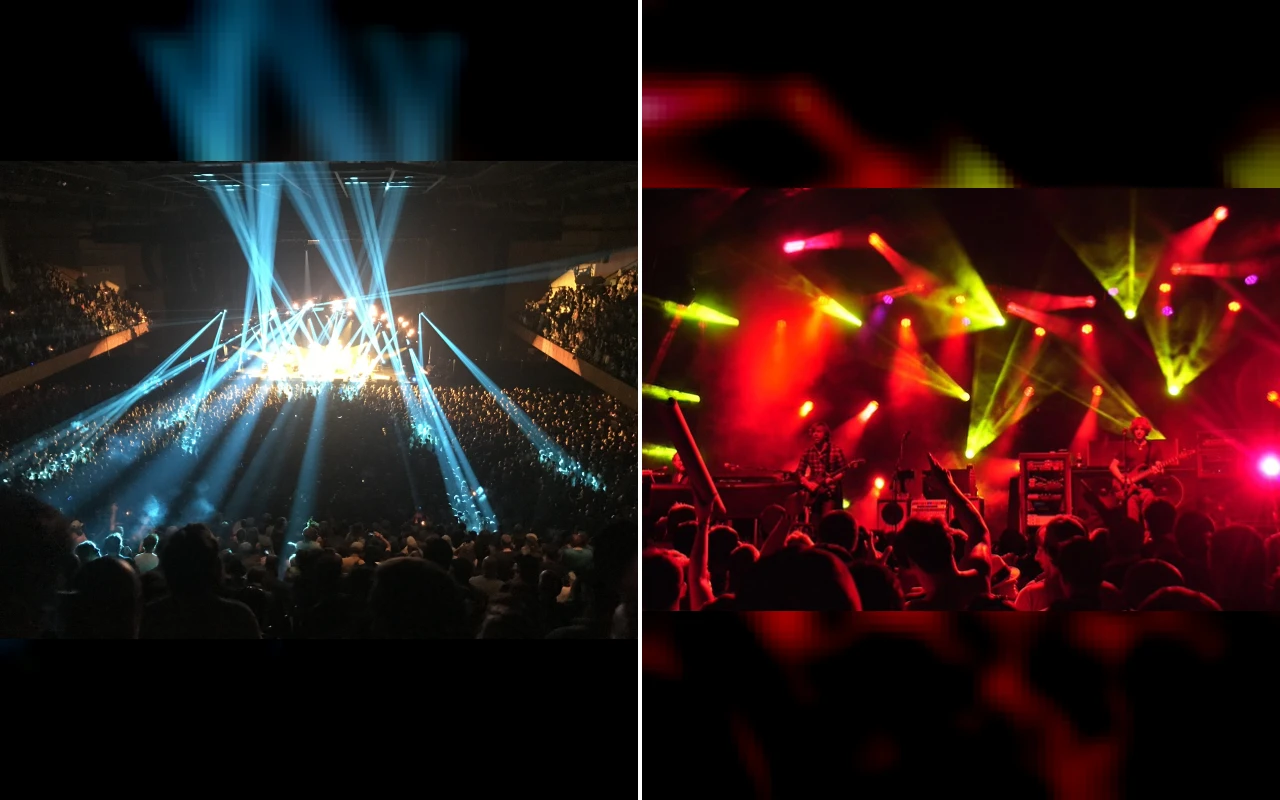
Among fans and insiders, Brown’s pivotal role has earned him the affectionate nickname “GB6,” a nod to his near-official status as the band’s “sixth member.” Similarly, lighting designer Chris Kuroda, known as “CK5,” has long been recognized as the fifth member for his integral contributions to Phish’s live shows. Kuroda’s lighting design during the residency was a critical component of the visual spectacle, bringing the band’s music to life in sync with the immersive environment.
Unlike the 2024 residency, where the venue’s restrictions enforced a stripped-down stage that reminded audiences the show was “up above,” the 2026 run saw Phish assert creative control over the visuals. Entire segments of the video content, ranging from whimsical hot dog rocket rides to surreal dentist office escapades, were handed over to Kuroda. He operated a virtual light rig inspired by his arena setups, allowing him to “jam” alongside the band and keep the light show dynamic and musically responsive. This synergy allowed the band to stretch out musically while still feeling grounded and at home on stage.
Musically, the residency was marked by several notable firsts and special moments.
With the residency now complete, the fan community has already turned to ranking and dissecting the jams in meticulous detail. This deep engagement underscores the seriousness with which fans approach the band’s music, even as Phish themselves continue to resist taking themselves too seriously.
Throughout their career, Phish has successfully avoided the pitfalls of nostalgia, opting instead for a mix of playful self-reference and genuine connection with their audience.
In summary, Phish’s nine-night no-repeat residency at the Sphere was more than a technical marvel; it was an artistic triumph. By fusing innovative technology, immersive sound design, and an ever-expanding setlist, Phish delivered a residency that challenged expectations for what a live music event can achieve.