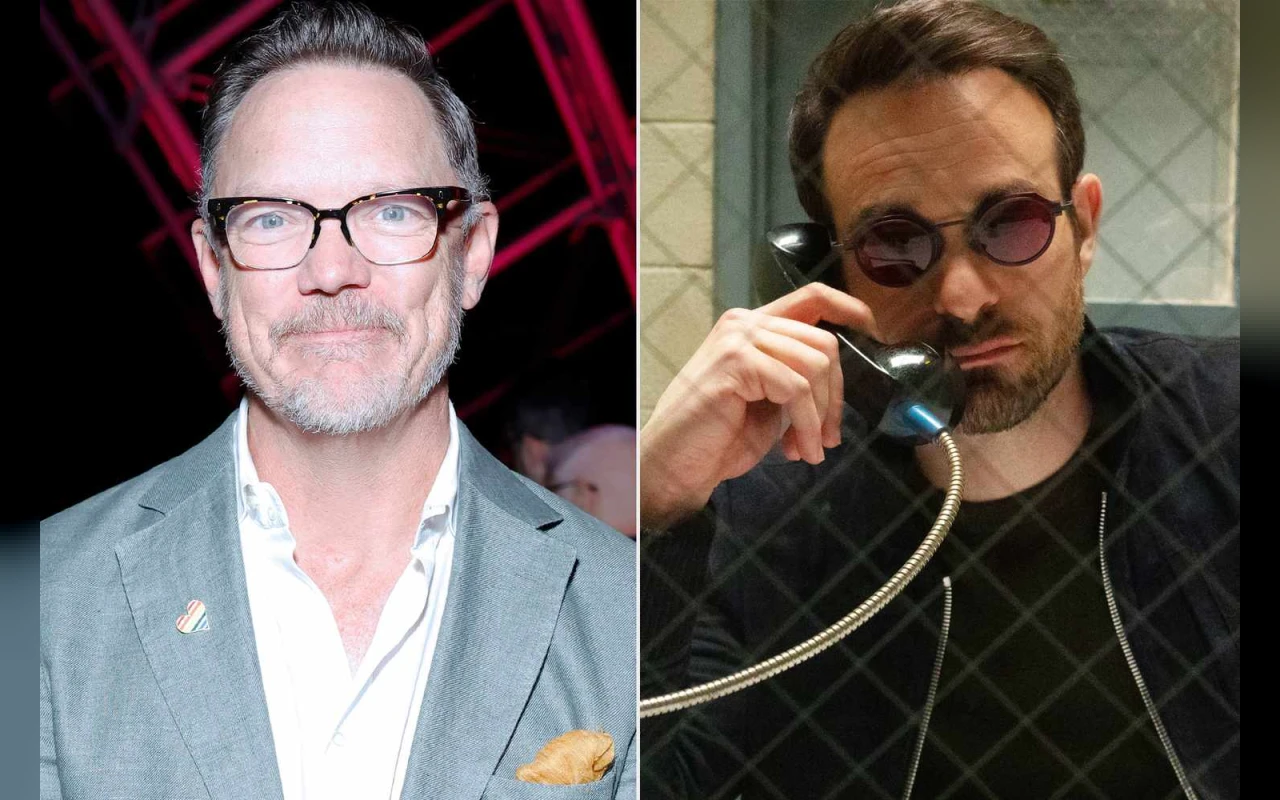
Daredevil: Born Again Season 2 returns darker and more violent, as Fisk’s mayoral reign criminalizes vigilantes in a politically charged NYC.
- May 5, 2026
AceShowbiz - Daredevil: Born Again Season 2 returns with a darker, more violent edge, improving on its somewhat messy first season while still carrying notable flaws. Fans who welcomed the "Man Without Fear" back after his MCU introduction now see Charlie Cox's vigilante hero regain footing in a New York City setting that feels eerily relevant and oppressive.
The season unfolds in a city gripped by the iron fist of Vincent D'Onofrio's Wilson Fisk, who has transformed from prisoner to mayor. His administration criminalizes vigilantes and launches a ruthless task force targeting not only masked heroes but also political adversaries and marginalized groups, echoing real-world controversies. This politically charged atmosphere offers a backdrop where Matt Murdock hides in the shadows, becoming a symbol of resistance rather than a straightforward hero.
Unlike many comic book tyrants, Fisk is portrayed as a populist figure, leveraging public rhetoric to mask widespread corruption. The season explores the fight for New York’s soul, balancing street-level violence with a battle for public opinion, making it as much a political drama as a superhero story. The narrative layers are complex, weaving in themes of justice, power, and the blurry line between law and vengeance.
Rating: 4 out of 5
Pros: The central storyline is compelling and well-structured; the violence is more inventive and intense than ever; Bullseye’s character is a standout; the season’s conclusion sets a strong stage for Season 3.
Cons: The large cast leads to underdeveloped characters; the absence of the Punisher creates a puzzling narrative gap; some may find the political messaging heavy-handed.
Daredevil: Born Again is the most politically explicit MCU series to date. Fisk’s task force, with its ruthless efficiency, draws uncomfortable parallels to real organizations like ICE, making the stakes feel urgent and topical. The introduction of Mr. Charles, played by Matthew Lillard, adds a shadowy subplot reminiscent of Iran-Contra scandals, grounding the series in unsettling modern realities despite Lillard’s trademark mischievous energy.
This political lens turns Fisk’s regime into a dark mirror reflecting the viewer’s world, a risky but bold choice for a Disney-affiliated series. It could alienate some fans, but it undeniably adds dramatic weight. Meanwhile, Daredevil himself evolves into a rebellious icon akin to Batman, a vigilante grappling with personal trauma and his role as a city’s protector. His recruitment of a new young sidekick, Angela Del Toro (played by Camila Rodriguez), daughter of the late White Tiger, adds another layer of complexity, though some decisions surrounding this feel questionable.
The season also delves into justice as a nuanced concept, rather than a simple good-versus-evil dichotomy. Matt Murdock remains essentially heroic, but the return of Bullseye and the haunting loss of Foggy raise difficult questions about revenge versus righteousness. Legal proceedings against vigilantes like Tony Dalton's Swordsman illustrate Fisk’s desire to brand dissent as chaos, while his own inner circle’s loyalties are constantly tested. Fisk sees himself as a liberator, but his interpretation of justice is disturbingly self-serving.
Unfortunately, the large ensemble cast proves problematic. Some characters receive minimal development, such as Heather Glenn (Margarita Levieva), Matt’s psychiatrist ex-girlfriend, whose role feels diminished except for a major finale reveal. Michael Gandolfini’s Daniel Blake subplot with BB Urich lacks focus and could have been omitted without harm. Gandolfini is talented, but his character does not hold the same intrigue as last season’s political schemers.
Matthew Lillard shines as Mr. Charles, a quirky villain obsessed with constantly eating, yet the limited screen time prevents his character from fully resonating. The season often feels like two full seasons compressed into eight episodes, resulting in pacing issues. While brevity was once welcomed compared to older, sagging Netflix seasons, here it leaves moments undercooked.
Deborah Ann Woll's Karen Page is largely sidelined, mostly serving as a plot device rather than a fully realized character. The cameo return of Krysten Ritter as Jessica Jones, though a treat for fans, feels more like fan service than a necessary story element. Her presence is the only direct link to the broader MCU and lacks meaningful integration.
The standout newcomer is Wilson Bethel as Bullseye, who brings exhilarating chaos and nearly compensates for the absence of Jon Bernthal’s Punisher. His performance in Episode 4 delivers some of the most thrilling Marvel TV moments ever, and there’s a clear case for a Bullseye-focused spinoff, although that seems unlikely. Other strong support comes from Arty Froushan as Buck Cashman, Kingpin’s menacing enforcer, and Hamish Allan-Headley as Officer Powell, the head of the ICE-like task force whose detestable presence perfectly embodies a villain you love to hate.
Ironically, despite the crowded cast, the Punisher’s absence is glaring and narratively unjustified. While his return might be explained in the upcoming One Last Kill series, his absence during key events in Born Again Season 2 feels like a glaring oversight rather than a deliberate choice, leaving a hole in the story that is ignored rather than addressed.
For viewers worried that Disney+ might dilute the series’ brutality, Season 2 proves otherwise. The "Bullseye Episode" is a masterclass in inventive, graphic violence, reminiscent of directors like Takeshi Miike or Quentin Tarantino. The bloodshed is unapologetic and creative, if slightly brief, making it one of the most memorable Marvel TV sequences to date.
The choreography throughout the season is exceptional, emphasizing the physical toll on Matt Murdock. Unlike many MCU heroes who possess superhuman resilience, Daredevil is repeatedly battered and bruised, grounding the action in a gritty realism that elevates the stakes. The show doesn’t shy away from showing the consequences of violence, which adds emotional weight to the fight scenes.
Season 2 of Daredevil: Born Again is not without its flaws, but it delivers a strong mix of political intrigue, moral complexity, and visceral action. The season’s willingness to confront uncomfortable themes and depict a darker, more brutal world sets it apart from typical superhero fare. However, the sprawling cast and some underdeveloped storylines prevent it from reaching its full potential.
Overall, Daredevil: Born Again Season 2 is a worthy follow-up that sharpens many elements of the first season while laying the groundwork for a promising third installment. Fans invested in the character and the darker corners of the MCU will find much to appreciate, even as the series navigates its ambitious narrative and tonal shifts.