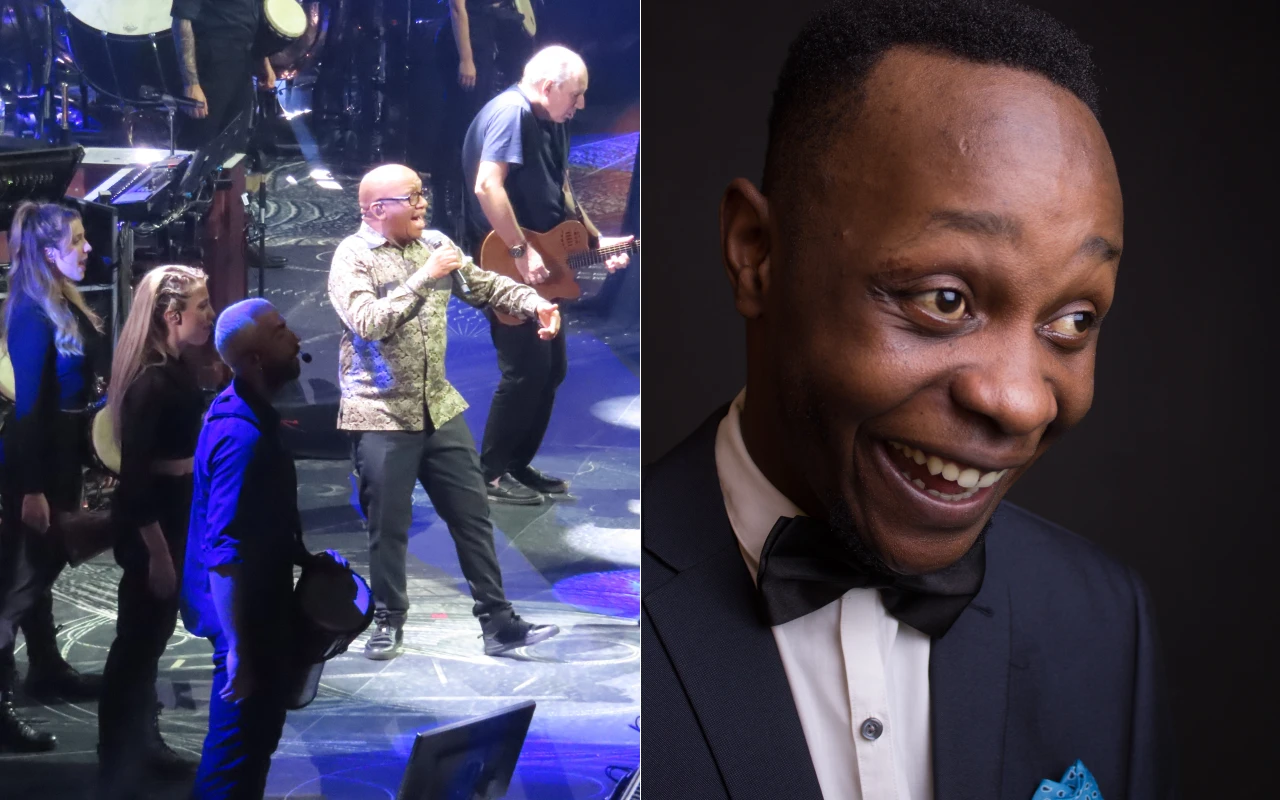
Lebo M sues comedian Learnmore Jonasi over viral podcast clip mocking The Lion King chant's meaning, calling it royal praise poetry.
- May 2, 2026
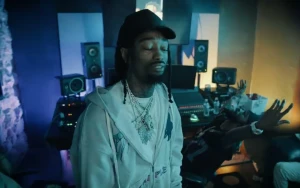
AceShowbiz - Lebo M, the South African composer and singer famed for performing the iconic Zulu chant in The Lion King's opening song "The Circle of Life," has filed a lawsuit against Zimbabwean comedian Learnmore Jonasi over a viral podcast clip that mocked the chant's meaning.
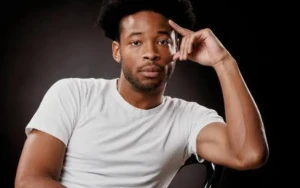
The legal action, initiated on Monday, March 16, arises from Jonasi's appearance the previous month on the One54 Africa podcast. In the now widely circulated segment, Jonasi claimed the celebrated chant "Nants'ingonyama bagithi Baba" translates to "Look, there's a lion. Oh my god" in English—a statement that Lebo M vehemently disputes.
Lebo M, whose full name is Lebohang Morake, originally wrote and performed this chant for both the 1994 original The Lion King film and its 2019 remake. The lawsuit emphasizes that the chant is a sophisticated form of royal praise poetry rich in metaphorical meaning, with its true translation being "All hail the king, we all bow in the presence of the king."
The complaint argues that Jonasi's simplified rendition is not merely a casual misinterpretation but a deliberately false and trivializing distortion intended to mock and profit unlawfully at the expense of Lebo M's artistic creation. The lawsuit alleges this has caused reputational harm and business interference, potentially damaging Lebo M's long-standing association with Disney.
The suit demands a staggering $27 million in damages, citing defamation, libel, and interference with business relations. Furthermore, Lebo M expresses concerns for his personal safety, stating he "now fears for his life due to Xenophobic comments" linked to the viral clip. He reports being "confronted and bombarded" with hostile remarks while touring Europe with composer Hans Zimmer.
The legal challenge faces significant hurdles because of broad protections under the First Amendment, which generally shields comedic expression from defamation claims. However, Lebo M's attorney, Michael Younge, contends that Jonasi did not present his remarks as a joke, thereby circumventing typical free speech defenses.
According to Younge, "The defendant presented it as factual knowledge with misguided authenticity to increase exposure and mockery of Lebo M's creative masterpiece."
This lawsuit escalates an ongoing public dispute between Lebo M and Jonasi that unfolded on social media after the podcast segment gained traction. In an Instagram video posted on March 4, Lebo M revealed he had reached out to Jonasi privately to express his concerns. However, he said Jonasi dismissed him, explaining that he had performed the same joke for eight years and had no intention of stopping.
Lebo M described the situation as painful, stating, "It's rather painful to see an ignorant wannabe comedian promote ignorance and it become so globally powerful." He also criticized Jonasi's arrogance in the interaction.
Jonasi responded with his own Instagram video on March 14, recounting that he was initially open to dialogue and had hoped to collaborate on a video that would clarify the misunderstanding. However, he ended communication after Lebo M allegedly called him "self-hating."
Jonasi said, "I realized that I'm not having a conversation with somebody that actually wants to do that. This person is literally not attacking the joke, but my character."
As of March 17, Jonasi's representatives had not responded to requests for comment regarding the lawsuit.
The case highlights tensions between artistic integrity and comedic expression in the digital age, especially when viral moments can dramatically affect reputations and business relationships. Lebo M's lawsuit seeks not only significant monetary compensation but also to defend the cultural and artistic significance of his work against what he views as harmful misinformation.
Meanwhile, the broader discussion about the legal limits of comedy and free speech continues, with this lawsuit possibly setting a precedent for how viral jokes about cultural works can be challenged in court.