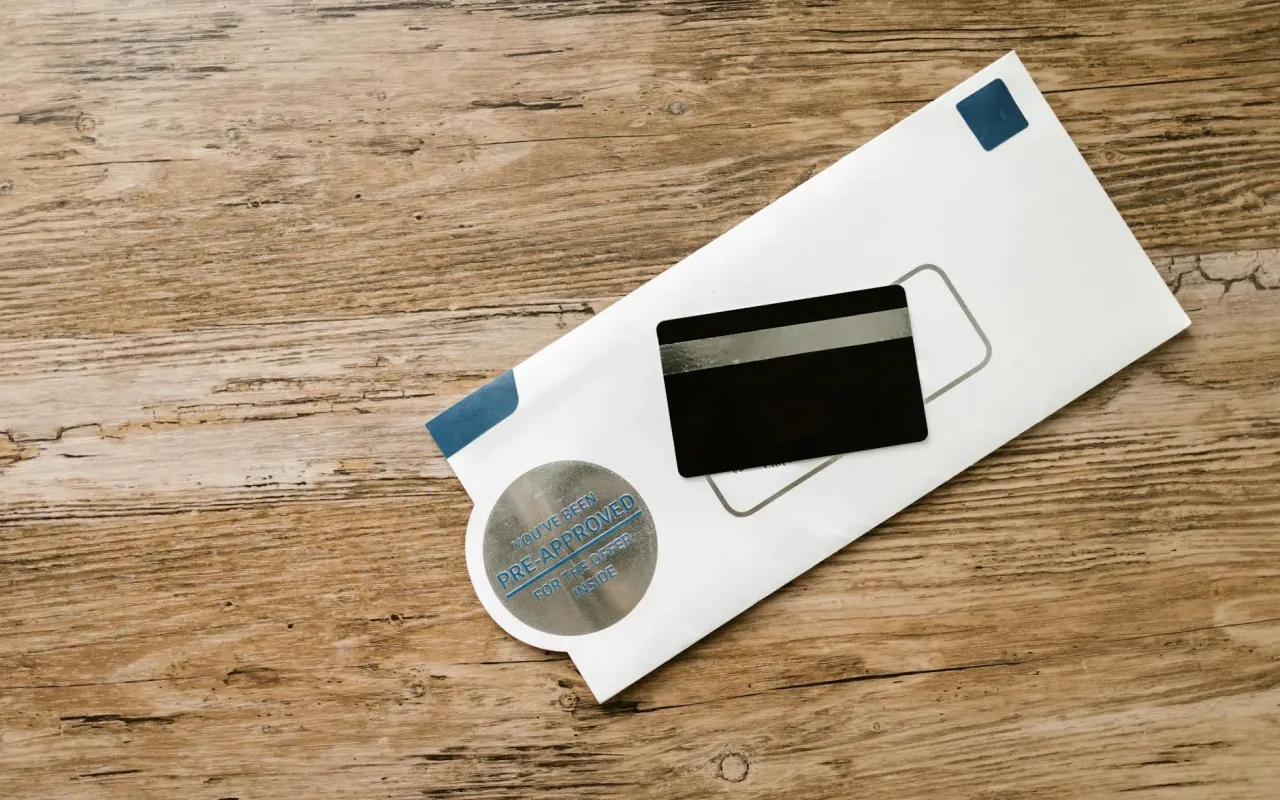
Stop paying 20%+ interest on credit card debt. Learn how balance transfers work, the hidden fees, and when they actually save you money.
- May 1, 2026
The Moment I Realized My Credit Card Was Robbing Me
I remember staring at my credit card statement in disbelief. I had paid $350 that month, but only $40 went toward my actual balance. The rest? Interest. Pure, painful interest at 22.99% APR. That's when I discovered balance transfer offers—and it changed how I manage debt forever.
Here's the uncomfortable truth: the average credit card APR in the U.S. is over 20% right now. If you're carrying a $5,000 balance, you're paying roughly $1,000 in interest every year for the privilege of not paying off your card. That's money you could be using for a vacation, an emergency fund, or literally anything else.
Balance transfer offers are one of the few financial tools that can stop that bleeding instantly. But they're not magic. They come with rules, fees, and traps that can make things worse if you're not careful. Let me walk you through exactly how they work, when they make sense, and the mistakes that cost people thousands.
What a Balance Transfer Actually Does (And Doesn't Do)
A balance transfer is when you move debt from one credit card to another, usually one that offers a 0% introductory APR for a set period—typically 12 to 21 months. During that time, no interest accrues on the transferred balance. You pay only the principal, which means every dollar goes toward actually reducing what you owe.
But here's what it doesn't do: it doesn't erase your debt. It doesn't fix your spending habits. And it doesn't stop you from racking up new charges on the old card if you keep using it. Think of it as a pause button on interest, not a delete button on debt.
For example, let's say you owe $6,000 on a card with 24% APR. Your minimum payment is about $180 per month. Over 18 months, you'd pay roughly $1,200 in interest alone. Transfer that same $6,000 to a card with 0% for 18 months (and a 3% transfer fee), and you pay a one-time fee of $180. That's a savings of over $1,000—but only if you actually pay down the balance during that window.
The Critical Fine Print You Can't Ignore
Balance transfer offers are designed to lure you in, but the fine print matters more than the headline rate. Most cards charge a transfer fee of 3% to 5% of the amount transferred. On a $10,000 balance, that's $300 to $500 right off the top. Some cards cap the fee, but most don't.
Also, read the terms for what happens after the 0% period ends. The APR will jump to the regular variable rate, which could be 18% to 29%. If you haven't paid off the balance by then, you're right back where you started—except now you've paid a fee for the privilege.
One more trap: many balance transfer cards require you to make the transfer within the first 60 to 90 days of opening the account. Miss that window, and you lose the promotional rate entirely. Set a calendar reminder the day you apply.
When a Balance Transfer Actually Saves You Money
The math works best when you have a clear payoff plan. Say you have $8,000 in debt at 22% APR. If you pay $400 per month, it'll take you about 23 months and cost you $1,800 in interest. Transfer that to a card with 0% for 18 months and a 3% fee, and your total cost is $240 (the fee). Pay $444 per month for 18 months, and you're debt-free with $1,560 saved.
But this only works if you can actually afford that $444 payment. If you can only pay $300 per month, you'll still have a balance at month 18, and the interest will start piling up again. In that case, you might be better off with a low-interest personal loan or a debt management plan.
Here's a real scenario from a friend of mine: Sarah had $4,200 on a store card at 28% APR. She transferred it to a Chase Slate card with 0% for 15 months and no transfer fee (an offer that's rare now but existed). She paid $280 per month and was done in 15 months. Total interest saved: about $900. She used that money to start her emergency fund.
How to Pick the Right Card for Your Situation
Don't just grab the first offer that shows up in your mailbox. Compare three things: the length of the 0% period, the transfer fee, and the regular APR after the promo ends. A card with 21 months at 0% but a 5% fee might cost you more than a card with 15 months and a 3% fee, depending on your balance.
Also check whether the card offers rewards on purchases. Some balance transfer cards earn points or cash back, but be careful—if you start using the card for new purchases, those purchases typically don't get the 0% rate. They accrue interest immediately, and your payments are applied to the lowest-rate balance first (the transferred one), which means the new purchases sit there racking up interest.
Finally, check your credit score. Most balance transfer cards require good to excellent credit (typically 670 or higher). If your score is lower, you might not qualify for the best offers. In that case, consider a credit union or a personal loan instead.
The Hidden Trap That Trips Up Most People
Here's the mistake I see over and over: people transfer a balance, then keep using the old card for new purchases. They think they're being smart by "consolidating" debt, but they're actually digging a deeper hole. The old card still has a credit limit (minus the transferred amount), and every new purchase starts accruing interest immediately if the card isn't paid in full each month.
So now you have two balances: one at 0% on the new card, and one at 24% on the old card. You're paying interest on the old card while trying to pay down the new one. It's a mess.
The solution is simple but requires discipline: cut up the old card or lock it in a drawer. Remove it from your digital wallets. Unlink it from any automatic payments. Treat it like it's already canceled. If you can't trust yourself to stop using it, don't do the transfer.
What Happens If You Miss a Payment
This is where balance transfers can backfire spectacularly. Most promotional 0% APR offers have a penalty clause: if you miss a payment (even by one day), the promotional rate disappears, and the regular APR applies retroactively to the entire balance. You could wake up one day with $800 in interest charges that you thought you'd avoided.
Set up automatic payments for at least the minimum due, and schedule a reminder to check your statement each month. One missed payment can erase all your savings. Treat this like a monthly bill that must be paid, not a debt you can ignore.
How to Actually Pay Off the Balance Before the Promo Ends
You need a number. Take your total transferred balance (including the fee) and divide it by the number of months in the 0% period. That's your minimum monthly payment to be debt-free by the deadline. If that number is too high, you have two choices: transfer less debt, or find a card with a longer promo period.
For example, if you transfer $5,000 with a 3% fee ($150 total) to a 12-month 0% card, you need to pay about $429 per month. That's steep. But if you use an 18-month card, it drops to $286 per month. The longer the promo, the more manageable the payment.
If you can't hit that number, consider a "balance transfer ladder." Transfer part of your debt to one card, pay it off, then transfer more. This works if your credit score stays high enough to qualify for multiple offers. It's more work, but it can stretch your 0% window to 2-3 years.
One Practical Trick to Stay on Track
Create a separate savings account specifically for your balance transfer payments. Each month, transfer your payment amount into that account on payday, then schedule the credit card payment from that account. This prevents you from accidentally spending the money elsewhere. I did this with a high-yield savings account and earned a tiny bit of interest while I was at it.
Another tactic: round up your payments. If your minimum is $286, pay $300 or $350. Those extra dollars go entirely toward principal because there's no interest. You'll finish early and have a buffer if something comes up.
When NOT to Use a Balance Transfer
Balance transfers aren't for everyone. If your credit score is below 620, you probably won't qualify for the best offers. You might get approved for a card with a 0% offer but a high ongoing APR and a 5% fee—at that point, you're not saving much.
Also, if you're already struggling to make minimum payments, a balance transfer won't help. The lower monthly payment might feel like relief, but you're just delaying the problem. In that case, talk to a nonprofit credit counselor or consider a debt management plan.
Finally, avoid balance transfers if you're planning to apply for a mortgage or car loan in the next 6-12 months. Opening a new credit card can temporarily drop your credit score by 5-15 points, and the new account's age will lower your average credit history length. Lenders see this as risk, even if you're managing the debt well.
The One Exception That's Worth It
If you have a specific, short-term financial goal—like paying off a medical bill or a single large purchase—and you know you can pay it off in 12 months or less, a balance transfer can be a smart tool. But it's not a long-term solution for chronic overspending. Fix the behavior first, then use the transfer as a finishing move.
What to Do After You Pay Off the Balance
Congratulations. You've paid off $5,000 or $10,000 or whatever it was, and you saved hundreds in interest. Now what? Don't close the card. Keep it open to improve your credit utilization ratio (the amount of credit you use compared to your total available credit). Use it for a small recurring charge like Netflix, and set up autopay to pay it in full each month.
But here's the real win: you now have a system. You know how to calculate interest costs, how to compare offers, and how to stay disciplined. Apply that same thinking to your other financial goals. That $1,000 you saved in interest? Put it toward your emergency fund or a Roth IRA.
One last thing: don't fall for the "0% for life" offers you see in the mail. Those usually have fine print that allows the issuer to change the rate at any time. Stick with fixed-term promotional offers from major banks like Chase, Citi, or Bank of America. They're regulated and predictable.
Balance transfers are a tool, not a miracle. Use them wisely, and you can cut years off your debt repayment timeline. Use them carelessly, and you'll just add fees to your existing problems. The choice is yours—but now you have the information to make it well.