Discover how Lost revolutionized TV storytelling, turning passive viewing into an immersive, puzzle-driven experience that still shapes modern drama.
- April 26, 2026
AceShowbiz - Lost premiered on ABC over two decades ago, yet its impact on television remains profound. As a groundbreaking mystery box series, Lost arrived at a pivotal moment in TV history, altering how audiences engage with serialized storytelling and how networks approach drama production.
This innovative sci-fi survival drama redefined the small screen by weaving a complex, multi-layered narrative that demanded active viewer participation. Unlike conventional episodic shows of its time, which typically adhered to self-contained three-act structures, Lost transformed each episode into a fragment of a sprawling, interconnected story arc. This approach invited viewers to piece together clues and plot threads, creating an immersive experience that sparked endless discussion and fan theories.
The series’ enigmatic plotlines and character mysteries captivated audiences weekly, encouraging them not just to watch but to analyze and debate. Offices, bars, and online forums buzzed with speculation about the island’s secrets and the characters’ motives, making Lost a cultural phenomenon beyond the screen. This interactive relationship between the show and its fans was unprecedented at the time and set a new standard for television engagement.
Co-creators Damon Lindelof and J. J. Abrams are now celebrated as visionary forces behind this transformative show. Their work on Lost paved the way for auteur-driven television, where the creator’s singular vision became the guiding principle rather than an exception. The series’ best episodes stand as landmarks in TV history, not only for their entertainment value but also for heralding a new era in storytelling.
Over its six seasons, Lost challenged traditional TV norms by refusing to resolve every plotline within a single episode. Instead, it treated its narrative as a tapestry, with threads woven across multiple episodes and seasons. This non-linear storytelling demanded that viewers retain information and remain engaged to understand the broader picture. It was a radical departure from the formulaic, episodic TV dramas that dominated the early 2000s.
One of the show’s defining characteristics was its refusal to offer easy answers. The mysteries posed by Lost were deliberately ambiguous, fueling fan theories and prolonged debate. This design made the show's fictional world an all-consuming obsession for many viewers, who eagerly awaited each new episode to uncover more pieces of the puzzle.
Behind the scenes, the creators were equally determined to preserve the integrity of their vision. Damon Lindelof, alongside showrunner Carlton Cuse, insisted on a limited run from the outset, initially planning for three seasons. Despite the show’s rapid rise to ratings success, they resisted network pressure to extend the series indefinitely. Eventually, the plan expanded to six seasons, but this decision was driven solely by creative needs rather than commercial ones.
This steadfast commitment to a predetermined story length was revolutionary for network television. Prior to Lost, many series were extended or shortened based on ratings and advertiser demands. Lost’s approach anticipated the multi-season, serialized storytelling that would become commonplace in the streaming era, where shows are crafted with a clear beginning, middle, and end in mind.
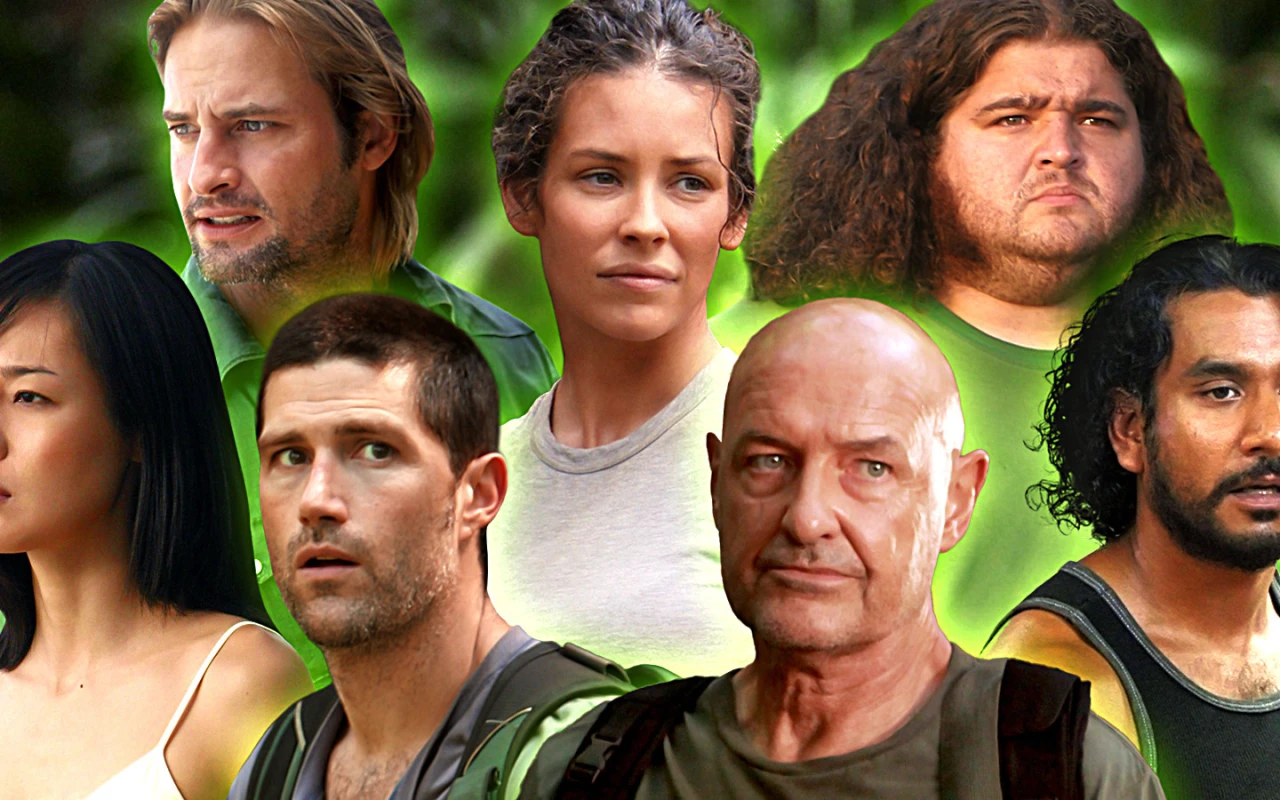
The series also laid the groundwork for how viewers consume television today. By inviting discussion around every episode and encouraging speculation, Lost fostered a communal watching experience that prefigured the binge-watching culture now dominant on streaming platforms. Fans’ water cooler conversations and online forums about characters like Jack, Kate, and Sawyer became part of the viewing ritual, creating a shared social experience.
As streaming services such as Netflix, Amazon Prime Video, and Apple TV emerged, they adopted and expanded upon the storytelling techniques pioneered by Lost. Freed from the constraints of network schedules, these platforms allowed creators to tell expansive stories at their own pace and gave viewers the freedom to watch multiple episodes or entire seasons in one sitting.
Moreover, streaming services embraced the auteur-driven model that Lost popularized, funding ambitious projects from rising creative talents. This shift marked a departure from the traditional network focus on quantity and ad revenues, prioritizing quality and innovation instead.
Ultimately, Lost did more than just innovate storytelling; it transformed the entire television landscape. It demonstrated that audiences crave complex, serialized narratives that challenge them intellectually and emotionally. The show’s legacy is visible in today’s prestige TV franchises, which owe much of their narrative ambition and production values to the trail blazed by Lost.
In summary, Lost reshaped television by introducing serialized, creator-driven storytelling and fostering a communal viewing culture that anticipated the streaming revolution. Its influence continues to resonate, marking it as a pivotal force in the evolution of modern television.