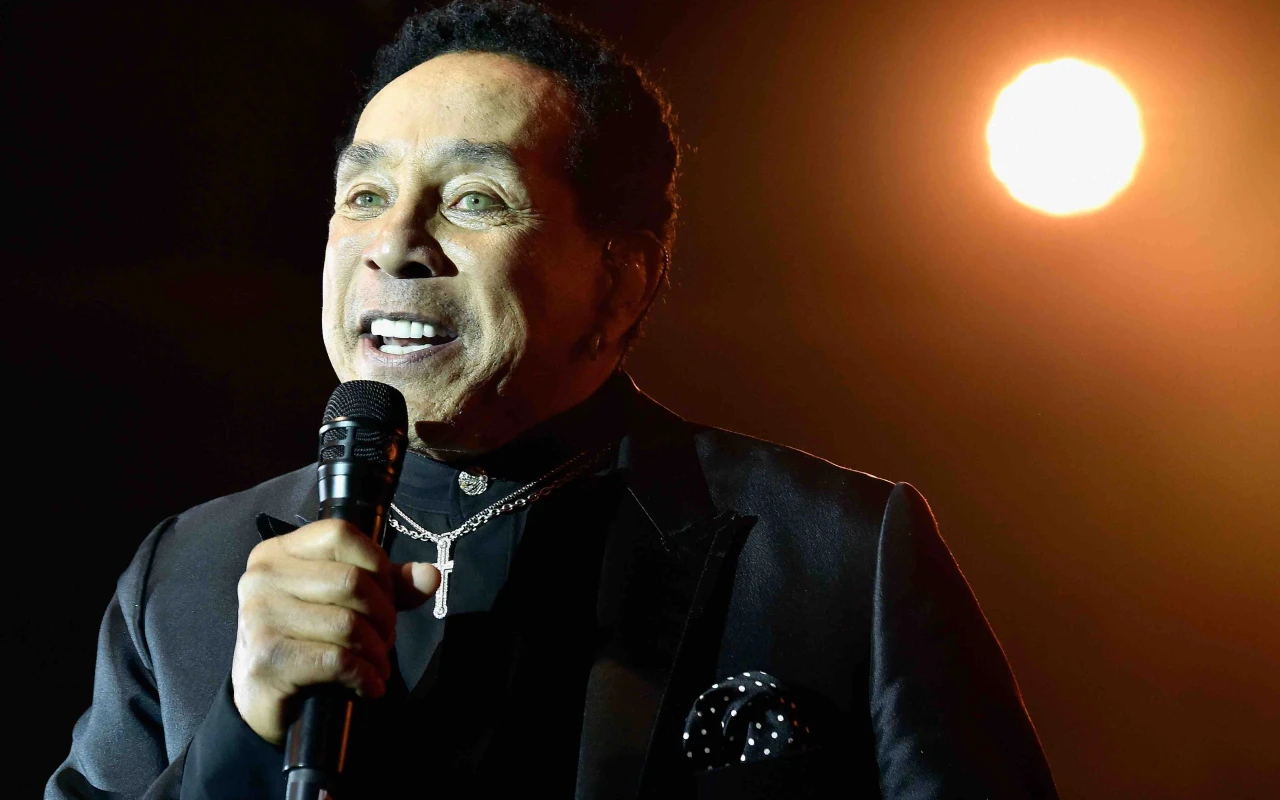
Judge dismisses Smokey Robinson's defamation claims against ex-employees who accused him of sexual abuse, citing high legal bar for public figures.
- April 24, 2026
AceShowbiz - A Los Angeles judge has dismissed defamation counterclaims brought by Smokey Robinson against former employees who have accused the Motown icon of sexual abuse. The ruling, delivered on Thursday, April 23, focuses solely on the defamation aspect of the legal dispute, without addressing the validity of the underlying sexual assault allegations.
Judge Kevin C. Brazile ruled that there was insufficient evidence to hold the plaintiffs—anonymous former housekeepers—and their attorneys liable for publicly labeling Robinson a rapist during a press conference last year. The decision hinged on California’s high legal standard for defamation claims involving public figures, which requires proof of “actual malice,” meaning the accusers knowingly made false statements.
Despite noting some evidence supporting Robinson, including inconsistencies and unusual circumstances such as encouraging one accuser’s sister to continue working after the alleged assaults, the judge found that the plaintiffs’ attorneys did not meet the “clear and convincing” standard necessary to prove malice. The ruling stated, “A jury could credit the testimony of the plaintiffs, including recalling that they reminded Smokey to stop the assaults because he had a wife.”
Because the counterclaimants failed to demonstrate actual malice, the court concluded there was no reasonable probability that their defamation claims would prevail.
However, Robinson still pursues separate counterclaims against the housekeepers, accusing them of deleting evidence and stealing from his family. These counterclaims remain active and are proceeding through discovery alongside the original sexual assault allegations. A trial for these matters is scheduled for 2027.
John Harris, attorney for the accusers, hailed the ruling as “a powerful and unequivocal victory for our clients and for survivors everywhere who refuse to be silenced.” He described Robinson’s $500 million countersuit as “a blatant, retaliatory attempt to intimidate, discredit and punish women for speaking out about sexual assault.”
Harris emphasized California’s anti-SLAPP law, designed to prevent the legal system’s misuse, stating, “Today, the court made clear that such tactics will not be tolerated.”
In response, Robinson’s attorney, Christopher Frost, expressed disagreement with the court’s dismissal of the defamation claims. “Obviously we believe the court’s ruling is incorrect in the claims it did dismiss. There is plenty of evidence of actual malice on the part of the attorneys,” Frost said.
He reiterated the defense’s focus remains on disproving the sexual assault allegations, which they describe as fabricated. Frost noted, “Even the court, in its ruling, recognized the numerous inconsistencies in their testimony. Even though some of our claims were dismissed on a technicality today, it remains true that the Jane Does have a lot of trouble with their stories. You can expect our continued focus on getting to the bottom of those stories.”
The legal confrontation began in May of last year when four unnamed women filed a $50 million lawsuit alleging that the 85-year-old artist sexually abused them between 2007 and 2024. Subsequently, an additional female housekeeper and a male car mechanic joined the lawsuit anonymously with further assault allegations.
Robinson has consistently denied all accusations, calling them “vile, false allegations” and asserting they are “an ugly method of trying to extract money.” He filed counterclaims against the accusers shortly after the initial suit was filed.
Following the lawsuit, the plaintiffs reported the incidents to law enforcement, prompting the Los Angeles County Sheriff’s Department to open a criminal investigation. To date, no charges have been filed in connection with the allegations.
The defamation ruling does not affect the ongoing criminal investigation or the merits of the sexual assault claims, which remain unresolved and scheduled for future legal proceedings.
This case highlights the complexity of defamation law, especially when it intersects with claims of sexual misconduct involving public figures. California law requires a higher burden of proof for defamation cases brought by public individuals, aiming to balance free speech protections with reputational rights.
As the legal battle continues, both sides remain entrenched in their positions. The accusers seek to hold Robinson accountable, while he and his legal team aim to discredit the allegations and protect his reputation. The scheduled 2027 trial will provide a critical platform for both parties to present their evidence and testimony in court.
Until then, the dismissal of the defamation claims marks a significant legal moment, underscoring the challenges plaintiffs face in proving malice in cases involving high-profile defendants. It also demonstrates the court’s effort to ensure that free speech and accountability coexist within the judicial system.