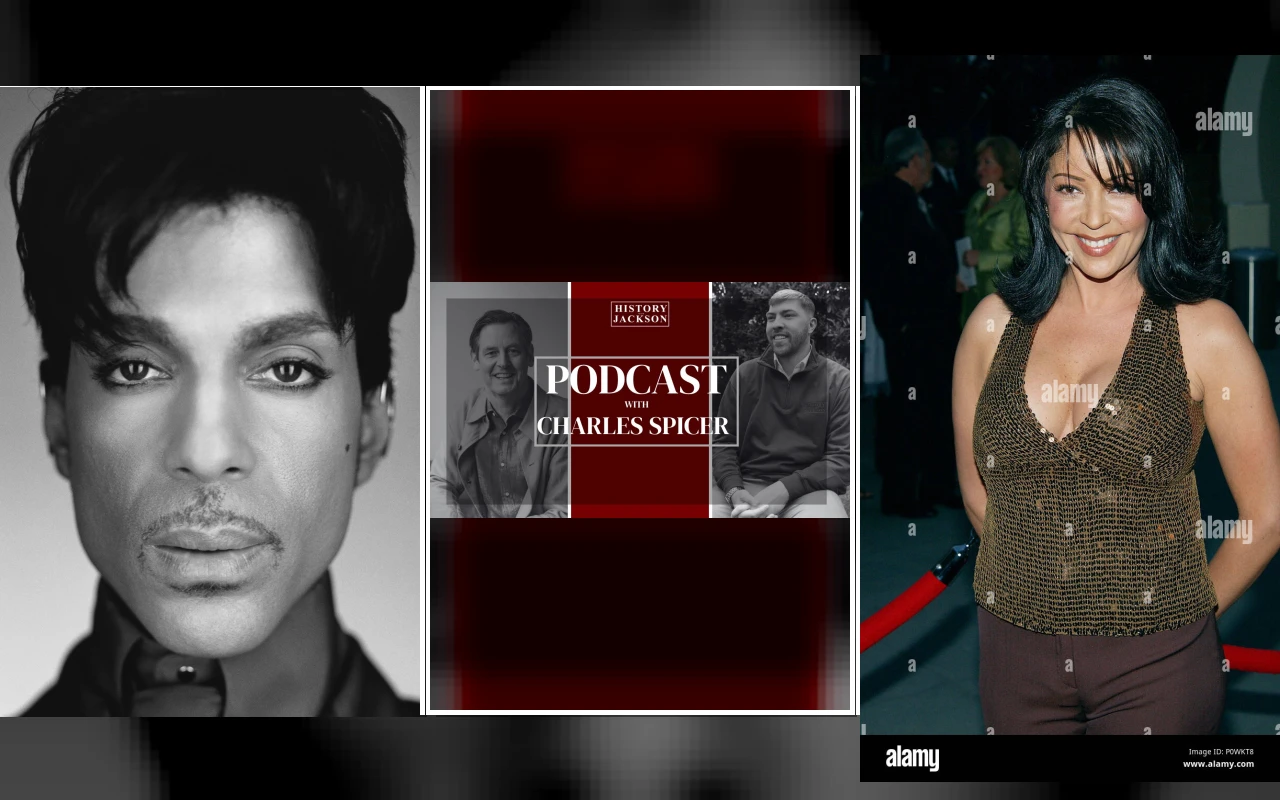
Eight years after Prince's death, his $156M estate remains in a complex legal battle. Explore the legacy of control he left without a will.
- April 22, 2026
AceShowbiz - The passing of Prince in 2016 ignited a prolonged and complex legal struggle over control of his $156 million estate that continues to unfold nearly a decade later.
Prince, who died from a fentanyl overdose on April 21, 2016, was widely celebrated not only for his musical genius but also for his meticulous management of his image, music rights, and intellectual property. Throughout his career, he fiercely negotiated record deals, confronted Warner Bros., and vigilantly protected his copyrights, including early policing of YouTube and later withdrawing his music from streaming platforms like Spotify due to concerns over fair compensation.
Despite this careful control during his life, Prince died suddenly without a will, creating a legal quagmire. An expert described the situation as "a real mess that he left behind," expressing disbelief that such a meticulous artist would pass without a will.
At the time of his death, Prince left behind extensive assets that included the famous Paisley Park estate, other physical properties, and a vast music catalog. Notably, his catalog was significantly enhanced in 2014 when Warner Bros. returned the masters to iconic albums like Purple Rain and 1999.
Because Prince had no spouse or children, the court had to determine his rightful heirs. The estate was ultimately divided among his siblings: his sister Tyka Nelson and five half-siblings—Sharon, Norrine, John R. Nelson, Omarr Baker, and Alfred Jackson. Comerica Bank & Trust was appointed by the court to administer the estate during the lengthy probate proceedings.
Over time, three of the siblings sold some or all of their interests to Primary Wave, a major music industry firm that gained control over half of the estate. The remaining siblings aligned themselves with longtime Prince advisors L. Londell McMillan and Charles Spicer, who were granted control over an undisclosed portion of the estate.
After years of litigation, progress came in January 2022 when the heirs reached an agreement with the Internal Revenue Service, establishing the estate’s tax valuation at $156 million. The court then divided the estate into two equal parts: Primary Wave took control of an entity called Prince Oat Holdings LLC, while the other half was managed by the McMillan-Spicer group through Prince Legacy LLC. Both groups have since operated under a formal agreement that governs the administration of Prince’s music and other shared assets.
The probate case officially concluded, marking a milestone that heirs believed would enable them to "protect and grow Prince's incomparable legacy." However, this resolution did not end all legal disputes concerning the estate.
In 2024, McMillan and Spicer filed a lawsuit alleging that siblings Sharon and Norrine Nelson attempted to oust them and seize control of Prince Legacy. The advisors argued that these heirs were "simply not capable" of managing the estate due to their lack of business, music industry, and high-level deal negotiation experience.
The court largely sided with McMillan and Spicer, confirming that the heirs had granted the advisors "broad and exclusive" powers over the estate and could not revoke this authority simply because they regretted their prior decision. Despite this ruling, some aspects of the dispute remain unresolved and are pending further litigation in Delaware courts.
Later in 2024, the estate groups—Primary Wave and Prince Legacy—exerted their influence to pressure Netflix into canceling a nine-part documentary by acclaimed filmmaker Ezra Edelman. The estate cited "dramatic" inaccuracies and "sensationalized" claims in the project, which had been approved years earlier.
Netflix officially canceled the documentary in early 2025 and announced plans to produce a new film sanctioned by the estate. Director Edelman criticized this move as a "joke," stating he would not release his film due to fears of litigation, though he insisted none of its content was inaccurate. He lamented the decision as shortsighted and motivated by financial interests.
In a separate legal challenge last year, singer Apollonia, a protégé of Prince, sued the estate. She alleged that the estate had launched an "aggressive campaign" to cancel her trademarks related to her stage name, accusing them of trying to monopolize all assets connected to Prince without legal justification.
The estate responded by denying any attempt to force her to change her name but acknowledged efforts to revoke trademarks she obtained during the chaotic period following Prince's death. They argued these trademarks rightfully belonged to Prince. This dispute concluded last month with a confidential settlement.
Though nearly ten years have passed since Prince's death, the legal battles surrounding his estate underscore the complexity of managing the legacy of a legendary artist who died without a will, leaving behind a vast fortune and cultural heritage. The heirs and advisors continue to navigate these challenges to preserve Prince's enduring influence.