New Big Bang Theory sequel series from creator Chuck Lorre moves the story forward, addressing what the original show didn't fully deliver.
- April 18, 2026
AceShowbiz - The Big Bang Theory creator Chuck Lorre is expanding the beloved franchise with a new sequel series that aims to address what the original show didn’t fully deliver. Nearly two decades after the Pasadena gang first appeared, the characters remain popular with fans worldwide. The iconic group—Sheldon, Leonard, Raj, Howard, and Penny—dominated network television for 12 years until The Big Bang Theory wrapped up in 2019. The series ended not because of declining interest but largely due to Jim Parsons' choice to leave the show. Despite this, Lorre and his team have successfully kept the series universe vibrant through spinoffs like Young Sheldon and Georgie & Mandy’s First Marriage.
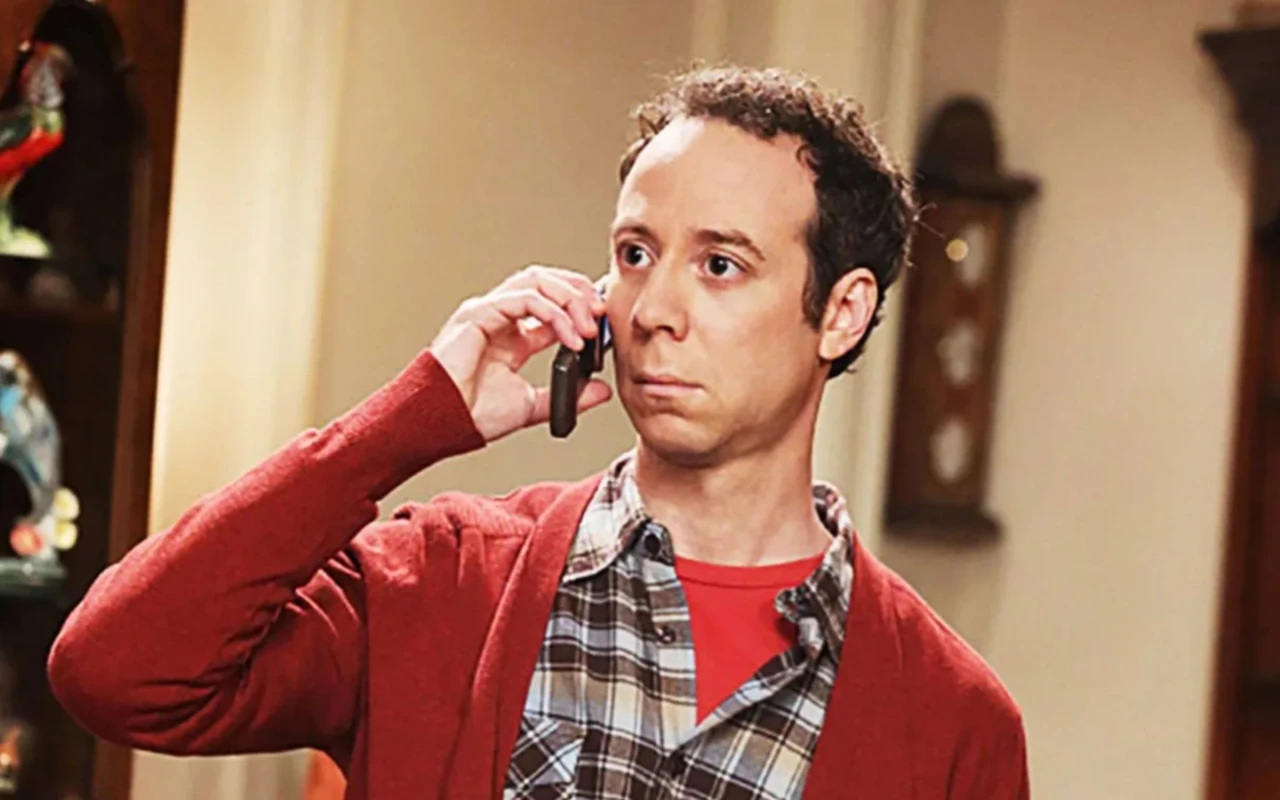
Until now, all expansions of the The Big Bang Theory franchise have taken place in the past, exploring earlier stages of the characters' lives. Both spinoffs focus on Sheldon's childhood and his family’s backstory. However, a fresh direction is on the horizon. In 2026, Lorre will reunite with co-creator Bill Prady to launch the first modern-day spinoff titled Stuart Fails to Save the Universe. This new series centers on Kevin Sussman’s character, Stuart Bloom—the comic book store owner and frequent side character. It is slated to premiere on HBO Max and is highly anticipated for its promise to finally fulfill the original series’ untapped potential.
When The Big Bang Theory premiered in 2007, it introduced audiences to a group of social misfits who bonded over their passion for comics, superheroes, and science. These characters were portrayed as lovable outcasts struggling to fit into a world that didn’t appreciate their interests. At that time, nerd culture was far from mainstream, and comic book movies had yet to dominate popular entertainment. This premise was initially compelling, but as the show progressed, it became evident that the series drifted away from this authentic depiction.
While Sheldon, Leonard, Raj, and Howard were indeed outsiders with limited social skills, they were not the underdogs the show initially suggested. Over time, it became clear that these characters exhibited problematic traits. They often behaved in racist, sexist, and condescending ways, projecting an air of superiority that alienated others. Their social awkwardness was genuine, but their arrogance made it difficult for them to expand their social circles or evoke empathy.
The introduction of Penny was meant to provide balance. While she helped humanize the men and brought new dynamics to the group, the treatment she received was frequently troubling. Sheldon was notoriously judgmental toward her, and Penny endured sexist remarks from various characters, including Mary, Sheldon’s mother. Additionally, Howard’s interactions with Penny bordered on inappropriate, highlighting the show’s occasional lapses in addressing sensitive issues.
Stuart Fails to Save the Universe seeks to change this narrative by focusing on characters who genuinely embody the underdog spirit. Unlike previous spinoffs, this series will not feature the main Pasadena gang members as regulars. Instead, it will spotlight supporting characters from The Big Bang Theory who have often been on the periphery yet resonate with fans in their own right.
The central figure is Stuart Bloom, who has long been considered the unofficial “eighth member” of the original gang. He frequently appeared alongside the core group but remained an outsider, never fully integrated. Joining Stuart in this new series are Caltech’s geology expert Bert Kibbler and plasma physicist Barry Kripke, along with Stuart’s girlfriend Denise. Though familiar to viewers of the original series, these characters were never deeply developed or given the spotlight to become fan favorites.
Stuart Fails to Save the Universe aims to change that by fleshing out these characters and making them relatable and endearing. Stuart’s portrayal as an unlikely hero—unqualified in many ways to “save the universe”—makes his story compelling and accessible. Audiences tend to root for underdogs, and Stuart perfectly fits that mold. While Kripke shares some of the more difficult traits of the original Pasadena gang, including snobbery, the new show has the opportunity to redeem him and turn him into a beloved character.
This spinoff marks a significant shift for the franchise. While The Big Bang Theory largely relied on its established main cast, Stuart Fails to Save the Universe will explore fresh perspectives within the same universe. It promises to deliver a more nuanced and inclusive portrayal of social outcasts, moving away from the problematic behaviors that marred the original series’ later seasons.
Fans and critics alike are eager to see how this new series unfolds and whether it can live up to its promise of addressing the shortcomings of its predecessor. By focusing on characters who were once sidelined, Chuck Lorre and Bill Prady hope to craft a show that resonates with modern audiences while honoring the spirit of the original franchise.
As the premiere date approaches, excitement builds around Stuart Fails to Save the Universe. The show is positioned to refresh and expand the The Big Bang Theory legacy, offering a fresh take on the challenges faced by social outsiders in today’s world. With its unique blend of humor, heart, and character development, it could become a standout addition to the franchise.
What are your thoughts on this new direction for the The Big Bang Theory universe? Do you think Stuart Fails to Save the Universe will succeed where the original series fell short? Join the conversation and share your opinions on the ComicBook Forum.