Donna Langley, NBCUniversal's top exec, champions the big screen at CinemaCon. See how she leads Hollywood with stars like Nolan, Spielberg & Snoop Dogg.
- April 16, 2026
AceShowbiz - Donna Langley stands as one of Hollywood’s most formidable executives, overseeing all content for NBCUniversal Entertainment & Studios, including film, television, and streaming. This year at CinemaCon in Las Vegas, her leadership was on full display as she shared the stage with some of the industry’s biggest names, including Snoop Dogg, Christopher Nolan, and Steven Spielberg.
The annual CinemaCon event gathers thousands of theater owners to preview upcoming studio releases, a gathering that many executives might overlook. However, Langley’s enduring commitment to theatrical film experiences remains unwavering despite her expanding responsibilities. She continues to prioritize the cinema experience, demonstrating that for her, the theatrical window remains a vital cornerstone of the industry.
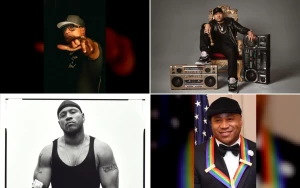
During the event, Snoop Dogg surprised attendees with a memorable performance of his hits “Drop It Like It’s Hot” and “Gin and Juice,” both featured in Universal’s upcoming biopic about the rap icon starring Jonathan Daviss. After his performance, he playfully dubbed Langley “the queen” and presented her with a large gold chain and a Universal logo pendant as a symbolic gesture of respect and admiration.
Langley’s interaction with Snoop Dogg highlighted her status not only as an executive but also as a cultural figure with a keen sense of style and presence. Although the pendant wasn’t an exact fit, the moment underscored the unique blend of Hollywood glamour and business acumen that she embodies.
Once alone on stage, Langley addressed one of the most pressing issues facing Hollywood today: the evolving relationship between studios and theater exhibitors, especially concerning the length of exclusive theatrical windows. The pandemic dramatically shortened these windows, with Universal pioneering a deal allowing films to move to premium video on demand (PVOD) as soon as 17 days after release if they earned less than $50 million at the box office, or 45 days for higher earners.
This approach marked a significant shift in how films are distributed, but it has since evolved. Outside of Disney, many studios now shift films to PVOD after three to five weekends. However, even AMC Theatres has become hesitant about PVOD, prompting Universal to recently recommit to a strict 45-day theatrical window for most films, with exceptions for titles from Focus Features.
At CinemaCon, the trade organization Cinema United proposed extending the theatrical window to 60 days. Meanwhile, the ongoing merger between Paramount and Warner Bros. remains a larger industry conversation overshadowing window debates.
Langley emphasized that studios and exhibitors share responsibility for the state of theatrical cinema. She acknowledged that while some theater circuits invest in premium large-format screens and luxury seating, many smaller or mid-size market venues lack the financial resources to upgrade their facilities adequately.
“The relationship with all of you has never been more important than it is right now as we work together to get people back in the routine of going to the movies,” Langley said. She recognized the economic pressures facing consumers, including inflation and rising gas prices, which impact discretionary spending. “When a consumer makes the choice with their wallet to purchase that movie ticket, we rely on all of you to make sure they have the best possible experience for their money to keep them coming back,” she added.
Langley reiterated Universal’s dedication to delivering a diverse slate of films for theaters with longer exclusive runs. “This relationship only works if we move forward to create a sustainable theatrical ecosystem – together. That is how we maintain and protect this medium for the next generation to come. We’ve always been a theatrical first studio. Period.”
Looking ahead, Langley spotlighted Universal’s ambitious 2026 lineup as proof of this commitment. The year will feature Nintendo and Chris Meledandri’s The Super Mario Galaxy, which is projected to become the first billion-dollar hit of the year. The summer slate will also showcase works from two of the world’s most acclaimed directors: Steven SpielbergSteven Spielberg with his sci-fi tentpole Disclosure Day slated for June, and Christopher NolanChristopher Nolan with the epic The Odyssey.
Nolan, traditionally a Warner Bros. collaborator, was famously courted and won over by Langley to Universal, where he directed the 2023 summer hit Oppenheimer. That film not only achieved commercial success but also earned multiple Oscars, including best picture and best director. Although Warner Bros. made efforts to bring Nolan back, Langley’s influence prevailed.
At CinemaCon, Langley introduced Nolan with a tribute reel celebrating his career and his unique approach to filmmaking. She praised him as a director who “doesn’t just tell stories, it reshapes how we experience them,” noting his relentless pursuit of cinematic innovation and excellence.
Another highlight for Langley was hosting Spielberg, who made his first-ever personal appearance at CinemaCon to promote a film. Both Spielberg and Nolan are staunch advocates of exclusive theatrical windows, which prior to the pandemic were as long as 90 days. Spielberg applauded Universal’s recent decision to honor longer theatrical exclusivity and humorously asked the audience, “Do I hear 60?” referencing the proposed 60-day window.
With industry heavyweights like Snoop Dogg, Nolan, and Spielberg publicly backing Universal, and with Langley steering the company’s content strategy, the studio’s position as a theatrical-first powerhouse seems firmly secured. As the industry navigates post-pandemic challenges, Langley’s vision for a sustainable theatrical ecosystem uniting studios and exhibitors appears central to Hollywood’s future.
In summary, Donna Langley demonstrated at CinemaCon that her influence extends far beyond the traditional studio head role. By blending star power, strategic foresight, and a genuine passion for cinema’s theatrical roots, she is shaping how Universal—and Hollywood at large—will thrive in the years ahead.