Discover practical, no-nonsense energy-saving tips that actually work. Lower your bills and your carbon footprint without sacrificing comfort.
- April 10, 2026
AceShowbiz - You've just received your latest energy bill, and that familiar wince is back. It's not just the cost—though that stings—it's the nagging feeling that you're wasting something, that your home is quietly leaking money and resources. You're not alone. For many of us, our homes are our largest source of energy consumption and, often, our most significant blind spot when it comes to efficiency.
The good news is that you don't need a solar-paneled smart home or a massive renovation to make a real impact. The most effective changes are often the simplest, targeting the silent energy drains we live with every day. This is about practical, actionable shifts that fit into real life, saving you meaningful money while making your home more comfortable and sustainable. Let's move beyond just turning off lights and explore where your energy is really going.
Master Your Heating and Cooling (The Biggest Energy Hogs)
Heating and cooling account for nearly half of a typical home's energy use. This is your prime target for savings. The goal isn't to be uncomfortable, but to be smarter about how you maintain your ideal temperature. Small adjustments here yield the biggest returns on your bill.
Your thermostat is your command center. If you have a programmable or smart thermostat, you're sitting on a goldmine of savings. Set it to automatically lower the heat (or raise the AC) by 7-10 degrees for eight hours a day while you're at work or asleep. This simple strategy can save you up to 10% annually on heating and cooling. A smart thermostat learns your schedule and can even adjust based on humidity and local weather.
Don't neglect your hardware. A dirty air filter forces your furnace or AC unit to work much harder, increasing energy use by up to 15%. Make a calendar reminder to check filters every month and replace them at least every three months. Similarly, ensure your vents and radiators aren't blocked by furniture or curtains, allowing warm or cool air to circulate freely.
Finally, think about passive climate control. In winter, open curtains on south-facing windows during the day to capture free solar heat, and close them at night to add insulation. In summer, do the opposite—use blinds or blackout curtains to block the sun's heat, reducing your air conditioner's workload.
Actionable Takeaway
This weekend, program your thermostat for your weekly schedule. If you have a manual thermostat, get into the habit of adjusting it before you leave the house and before bed. It's the single most effective habit for cutting energy costs.
Win the War on Phantom Load (Vampire Energy)
Your electronics are likely conspiring against you, even when they're "off." This phantom load, or vampire energy, is the power consumed by devices in standby mode. It's the glowing LED on your game console, the digital clock on your microwave, and the silent charger left plugged in. Nationally, this can account for up to 10% of a home's electricity use.
The biggest culprits are often entertainment centers and home office setups. A television, soundbar, gaming console, and streaming box left on standby can collectively draw as much power as a modern refrigerator. Your computer setup—monitor, speakers, printer—is another major offender.
Combat this with smart power strips. These are a game-changer. Instead of unplugging a tangle of cords, plug related devices into a smart strip. Many have a "control" outlet; when you turn off your TV (the control device), the strip cuts power to all the connected peripherals like speakers and game consoles. For chargers and small appliances, use traditional power strips and make it a ritual to flip the switch off when you leave a room or go to bed.
Conduct a quick audit. Walk through your home with your phone's flashlight and note every little light. The coffee maker, the stereo, the laptop charger. Awareness is the first step to slaying these energy vampires.
Actionable Takeaway
Invest in two or three smart power strips for your entertainment center and home office. For the kitchen and bedroom, use labeled basic power strips and commit to flipping them off at night.
Illuminate Efficiently Without Living in the Dark
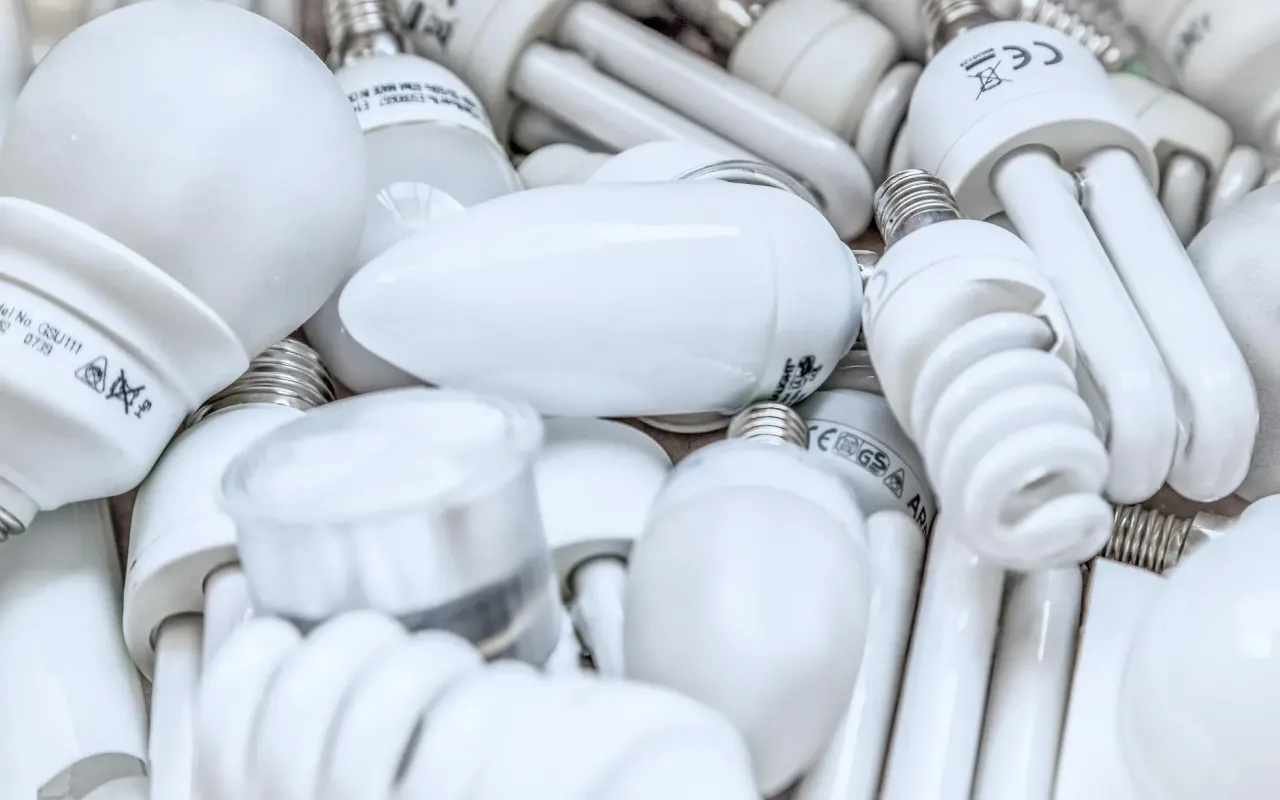
Lighting is about quality, not just quantity. The old advice to swap incandescent bulbs was just the start. Today's LED bulbs are dramatically better—they use at least 75% less energy and last 25 times longer than traditional incandescents. But efficiency goes beyond the bulb itself.
Think in terms of task lighting versus ambient lighting. Do you need to brightly light the entire living room to read a book in your chair? Probably not. Use focused floor or table lamps where you need light, and keep overhead lights dimmed or off. In hallways, closets, and pantries, consider installing motion-sensor or timer switches so lights aren't accidentally left on for hours.
Take advantage of natural light. Rearranging a workspace or reading nook to sit near a window can reduce your need for artificial light during the day. Keep windows clean and consider lighter window treatments to maximize this free resource. The psychological boost of natural light is a bonus benefit.
Don't forget outdoor lighting. Swap porch and pathway lights for LEDs and install photocell or motion-sensor controls. There's no reason for a security light to blaze all day, and a motion-activated light is often more effective for security anyway.
Actionable Takeaway
Replace the five most-used bulbs in your home with warm-white LED bulbs this week. Focus on fixtures that are on for several hours a day, like kitchen overheads or living room lamps.
Optimize Your Kitchen and Laundry Routine
Your kitchen and laundry room are hubs of energy-intensive appliances. Using them strategically can lead to substantial savings without changing what you cook or wear.
For your refrigerator, ensure the door seals are airtight by closing the door on a dollar bill. If you can pull it out easily, the seal needs replacing. Set your fridge to 37°F and your freezer to 0°F for optimal efficiency. Don't put hot food directly inside; let it cool first so the appliance doesn't have to work overtime.
When cooking, match your pot size to the burner size on an electric stove—a 6-inch pot on an 8-inch burner wastes over 40% of the heat. Use lids to trap heat and cook food faster. For the oven, avoid peeking! Each time you open the door, the temperature can drop 25 degrees. Use the oven light and window to check progress.
Laundry is a major hot water consumer. Wash about 90% of your loads in cold water. Modern detergents are formulated to work perfectly in cold water, and this one change can save a household hundreds of pounds of CO2 annually. Always run full loads, and clean the lint filter in your dryer before every cycle to improve air circulation and dry clothes faster.
Actionable Takeaway
Commit to your next five laundry loads being washed in cold water. Notice if there's any difference in cleanliness (spoiler: there won't be). Make it your new default setting.
Seal the Leaks and Insulate Smartly
You could have the most efficient furnace on the market, but if your house is drafty, you're just heating the outdoors. Air sealing is the most cost-effective energy upgrade for most homes. It's about plugging the gaps where conditioned air escapes.
Feel for drafts on a windy day. Common culprits include window and door frames, baseboards, electrical outlets on exterior walls, and where pipes or wires enter the house (like under sinks). Use weatherstripping for doors and windows that open and close. For stationary gaps, use caulk. For larger gaps around pipes, use expanding foam sealant. A simple draft snake by a door can make a noticeable difference in comfort.
Don't overlook your attic hatch. If it's uninsulated, it's like having a hole in your ceiling. Attach rigid foam insulation to the back of the hatch and use weatherstripping around the frame. Similarly, check the insulation on accessible hot water pipes and your hot water heater tank itself. Pre-cut pipe insulation sleeves and an insulating water heater blanket are inexpensive DIY projects with a quick payback.
While major insulation projects (like blowing insulation into walls) require a professional, these smaller sealing tasks are well within a homeowner's ability. The payoff is immediate: a cozier home that's quieter and cheaper to heat and cool.
Actionable Takeaway
This weekend, perform a one-hour draft hunt with a stick of incense or a thin piece of toilet paper. Hold it near suspected leaks on a windy day. Where the smoke wavers or the paper moves, you've found your target. Seal three of the worst leaks you find.
Make Efficiency a Habit, Not a Chore
Sustainability isn't about perfection; it's about consistent, mindful choices. The most sophisticated smart home system will fail if the people in it aren't engaged. The goal is to build small, automatic habits that compound into significant savings.
Start with a monthly "energy check-up." When you pay your bill, take five minutes to ask a few questions: Did our usage spike? What was different last month? Is the water heater set too high? This mindfulness connects action to consequence. Involve everyone in the household—make it a challenge to lower the bill by 5% next month, with a reward like a nice meal out.
Embrace technology as a helpful tool, not a requirement. A simple water heater timer can prevent it from heating water all night if no one showers until 7 AM. Smart plugs can schedule lamps or coffee makers to turn off automatically. Use your phone's reminders to replace HVAC filters or clean dryer vents.
Remember, the point of all this is to live well, not to live without. It's about directing your resources—both financial and planetary—toward what truly adds value to your life, rather than wasting them on inefficiency. A more energy-smart home is a more comfortable, affordable, and resilient one. You've got this.
Actionable Takeaway
Put a recurring reminder in your phone for the 1st of every month: "Energy Bill Review & Filter Check." Use those five minutes to stay on top of your usage and maintenance, turning efficiency from a project into a routine.