Pershing Square's $64B bid for Universal Music Group sparks debate. Is the offer a premium or does it undervalue the music giant? Explore the complex financi...
- April 9, 2026
AceShowbiz - The Universal Music Group (Universal Music Group) takeover offer from Pershing Square has stirred debate over the true value of the music giant. While headlines promote a valuation exceeding $60 billion, several Wall Street investors and music executives argue the bid undervalues the company.
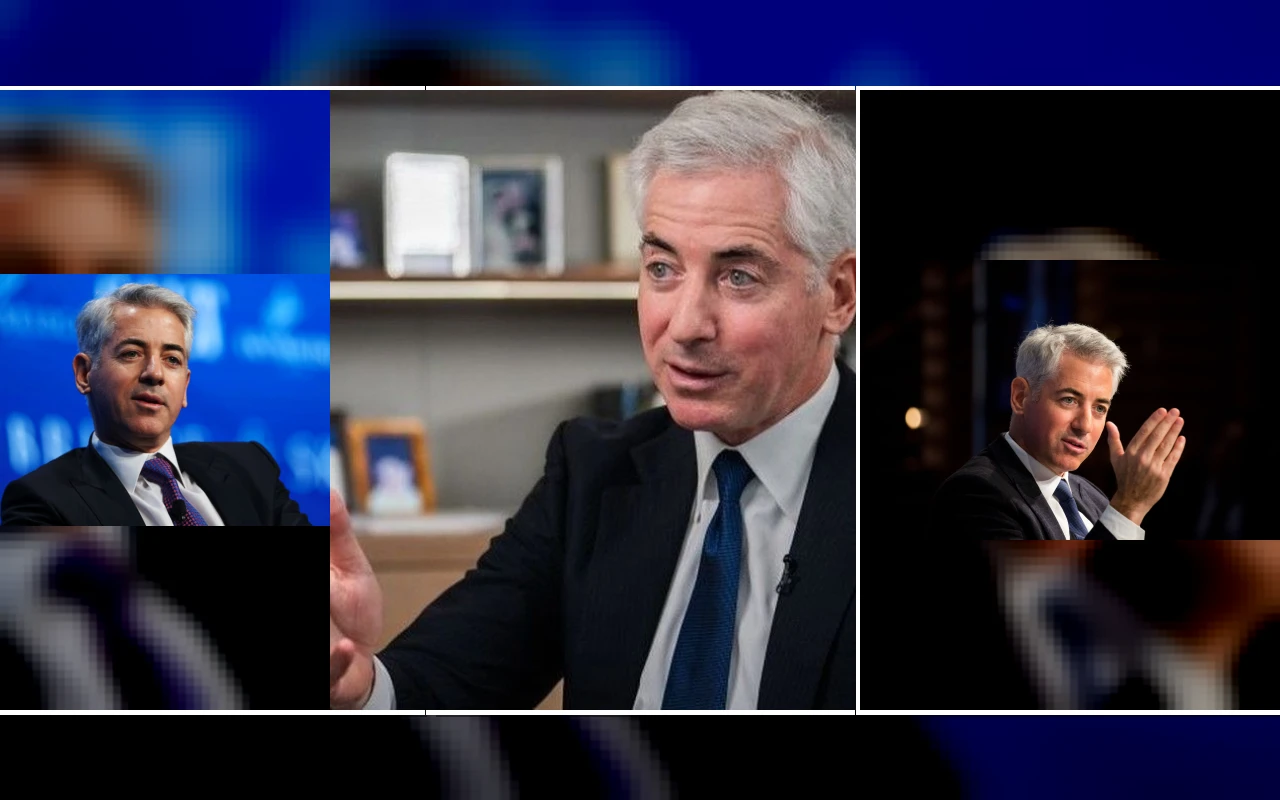
Bill Ackman, founder and CEO of Pershing Square, proposes a complex transaction valuing UMG at approximately $64 billion based on a projected stock price of 30.40 euros ($35) per share by the end of 2026. This forward-looking estimate underpins the headline-grabbing figure but masks the offer’s underlying financial structure.
Pershing Square’s non-binding proposal allows UMG shareholders to opt for a combination of cash and stock or an all-cash payout. However, if shareholders select the all-cash alternative, the offer drops to 22 euros per share, equating to a valuation near $43 billion—significantly lower than UMG’s $54 billion post-IPO market cap. This discrepancy raises questions about whether the bid truly reflects UMG’s current worth.
Financial details reveal that Pershing Square plans to contribute roughly 9.4 billion euros ($10.85 billion) in total financing, composed of 2.5 billion euros ($2.89 billion) in cash, 5.4 billion euros ($6.23 billion) in debt, and 1.5 billion euros ($1.73 billion) from selling UMG’s Spotify holdings. This modest equity injection contrasts sharply with the headline valuation and suggests Ackman aims to control UMG for closer to $12 billion, factoring in his existing 6.2% stake.
The offer proposes shareholders receive 5.05 euros ($5.82) in cash plus 0.77 shares of new UMG stock for each share they hold, which would reduce the total share count by 17%, from 1.833 billion to 1.541 billion shares. After the transaction, Pershing Square would hold an 11.7% stake in UMG.
Industry insiders view Ackman’s approach as an attempt to acquire UMG at a discount or, at minimum, to trigger a rise in the company’s share price. One music finance executive characterized the proposal as a “non-transaction transaction,” questioning whether Ackman truly intends to purchase UMG or primarily seeks control to drive future gains.
The financial structure, heavy on debt and stock components with limited cash premium, means shareholders are essentially betting on Pershing Square’s optimistic future valuation rather than receiving immediate value. Barclays Bank’s European Media Equity analysts highlight that the all-cash option is effectively impractical, as the cash available only covers 23.3% of shares at 22 euros each.
Since shareholders are unlikely to unanimously choose either the all-cash or the stock-plus-cash option, the deal will probably settle on a mix. However, Barclays estimates that only a small fraction of shareholders could receive the 22 euros per share cash payout.
Some industry veterans question the authenticity of the bid, suggesting Ackman’s primary motive might be to boost UMG’s stock price. Following the announcement, UMG shares surged nearly 11.5%, closing at 19.06 euros on April 7, compared to 17.10 euros on April 2. This increase benefits Ackman, who maintains a significant position in the company.
Bill Ackman has consistently indicated that UMG shares are undervalued relative to the company’s performance, a view echoed by others in the market. UMG’s management has also acknowledged this discrepancy and recently announced a share buyback program worth 500 million euros ($574 million) to support its stock price.
Despite this, Pershing Square executives argue UMG’s management has not prioritized shareholder value adequately. Ackman pointed out that the market does not fully credit UMG’s $2.7 billion stake in Spotify, a valuable asset that remains underappreciated by investors.
According to Pershing Square, the company’s investor relations efforts have been insufficient, leaving shareholders confused by unexpected earnings fluctuations and unclear strategic plans. This lack of transparency may contribute to the undervaluation of UMG’s shares.
In summary, while Pershing Square’s offer headlines a multibillion-dollar valuation, the financial mechanics and investor feedback suggest the bid is structured to gain control at a lower cost or to stimulate a stronger market performance for UMG. Whether this will translate into a successful acquisition or merely spark a trading rally remains to be seen as shareholders and the UMG board evaluate the proposal.