Go behind the scenes of Parks and Rec. A new tell-all book reveals casting secrets, production challenges, and how this beloved show inspired a vision for a ...
- April 8, 2026
AceShowbiz - Parks and Recreation has long been celebrated as a groundbreaking NBC comedy that combined humor with heartfelt storytelling. Jennifer Keishin Armstrong’s new tell-all book, Parks and Rec: The Underdog TV Show That Lit'rally Inspired a Vision for a Better America, released on April 7, offers fans an unprecedented look behind the scenes of the beloved series, revealing surprising details about casting choices, production challenges, and key moments that shaped the show’s legacy.
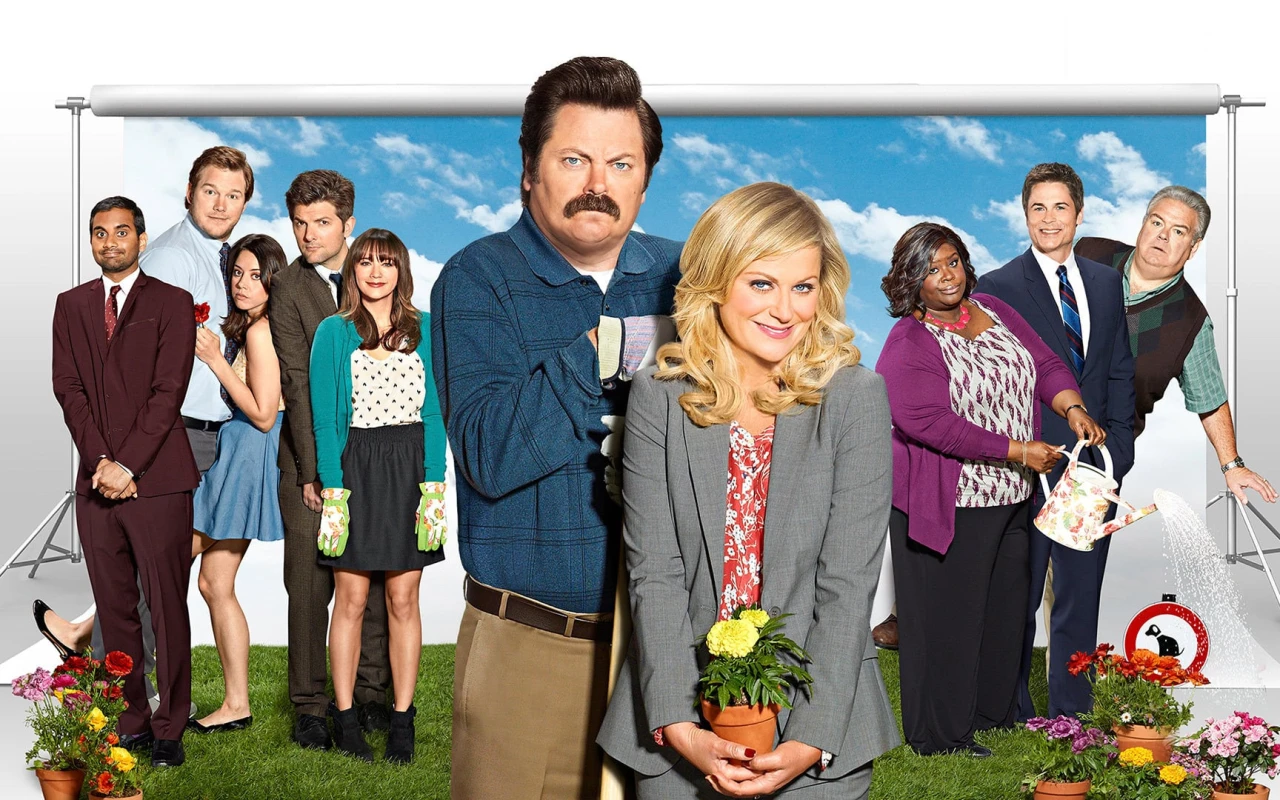
The mockumentary-style series aired from 2009 to 2015, chronicling the daily lives of employees at the Parks and Recreation department in the fictional town of Pawnee, Indiana. The show was critically praised and earned 13 awards, including a prestigious Peabody Award, cementing its place in television history. Its ensemble cast featured notable stars such as Amy Poehler, Rashida Jones, Nick Offerman, Aziz Ansari, Aubrey Plaza, Chris Pratt, Adam Scott, Rob Lowe, Retta, and Billy Eichner.
Within the pages of Armstrong’s book, readers discover how the show’s development was heavily influenced by various unexpected factors, including cast members’ personal lives and early production decisions that would go on to define the series.
Amy Poehler’s pregnancies significantly impacted filming schedules and the show’s trajectory. Initially, Parks and Recreation was set to film a pilot intended to air right after the Super Bowl, a coveted television slot. However, when Poehler announced her first pregnancy with then-husband Will Arnett, creators Greg Daniels and Michael Schur reconsidered their plans. They ultimately decided to sacrifice both the Super Bowl premiere and nearly half of the initial 13-episode order to accommodate Poehler’s availability, recognizing her as the key to the show’s long-term success.
When Poehler became pregnant again in 2010, she initially feared sharing the news with producers. Instead of this being a setback, the team cleverly leveraged the timing to secure a third season. They committed to shooting six episodes before Poehler’s maternity leave, effectively pressuring NBC into renewing the show. Executive producer Dean Holland even joked that they "forced" the network’s hand.
Casting stories reveal several near-misses and unexpected roles for key actors. Before Paul Schneider was cast as Mark Brendanawicz (originally named Josh), actors like Nick Offerman and Adam Scott auditioned for the part but ultimately landed different roles. Offerman notably auditioned for Michael Scott’s role on NBC’s The Office before joining Parks and Recreation as Ron Swanson. Other actors, including Matt Walsh, Seth Morris, Jason Mantzoukas, David Koechner, and Mike O’Malley, also auditioned for the roles of Ron or Mark, illustrating how competitive the casting process was.
The hiring of Rashida Jones was also strategic. Fresh off a role on The Office, the creators wanted to dispel rumors of a spinoff connection between the two shows. Greg Daniels explained that hiring Jones as a different character helped put those speculations to rest, clarifying that the two series existed in separate universes despite the shared actor.
Adding a personal touch, Nick Offerman’s real-life wife, Megan Mullally, joined the series as Ron Swanson’s fiery ex-wife Tammy. Offerman humorously recalled how Mullally immediately took him outside to practice their on-screen "violent kissing" scenes, highlighting the couple’s chemistry and the show’s playful behind-the-scenes atmosphere.
Paul Schneider’s departure after two seasons was a notable shift for the series. Schneider later described feeling sidelined as his character’s role diminished unexpectedly during the show’s run. Creator Michael Schur reflected on this change, admitting that while Schneider did nothing wrong, the original vision for Mark didn’t work as planned, and switching to other characters like Adam Scott’s Ben Wyatt ultimately better served the show’s direction.
The book also reveals the substantial costs involved in producing the series, with each episode costing around $2 million to make, underscoring the financial commitment NBC made to the show.
Several interesting cameos were planned but never materialized. One example involved Kentucky senator Rand Paul, who tentatively agreed to appear in a scene having lunch with Ron Swanson to discuss shared interests such as woodworking. Despite initial enthusiasm from his staff, Paul withdrew after reading the script, reportedly feeling that the show might be mocking him.
Overall, Armstrong’s book provides an in-depth exploration of how Parks and Recreation navigated production hurdles, casting challenges, and creative decisions that helped it grow from a modest project into a cultural phenomenon. The insights from cast and crew offer fans a richer understanding of the dedication and ingenuity behind the series’ enduring popularity.
As fans continue to revisit the series and its memorable characters, these revelations shed new light on the complexities and camaraderie that fueled the show’s success. From adjusting to Amy Poehler’s pregnancies to the clever casting maneuvers and unexpected production stories, Parks and Recreation remains a testament to collaborative creativity and the power of well-crafted television comedy.