Explore the challenges of creating original sci-fi in a genre dominated by iconic franchises, balancing science, fiction, and fresh storytelling.
- April 6, 2026
AceShowbiz - Who would take on the challenge of creating a compelling sci-fi series? The genre is notoriously difficult to master because it demands a delicate balance between scientific plausibility and imaginative fiction. The “science” part requires some level of realism, while the “fiction” side invites creativity and fantasy. At the same time, the dominance of iconic franchises like Star Trek, Star Wars, Alien, and Doctor Who makes true originality a rare commodity. Sci-fi is often flooded with repetitive tropes and derivative stories, making it a tricky genre to pull off successfully on screen.
Many sci-fi productions struggle to find a consistent tone, wavering between serious drama and lighter moments. Others fall into predictable storylines that feel like recycled versions of familiar plots. Budget constraints frequently become glaringly obvious, undermining the immersive experience essential for good sci-fi. Some shows even go to lengths to surprise audiences who anticipate plot twists, such as Westworld’s response to Reddit spoilers or Doctor Who’s deliberate avoidance of recurring villains like the Daleks in certain seasons. Amid these challenges, it is rare for a sci-fi series to emerge that makes navigating the genre appear seamless and effortless.
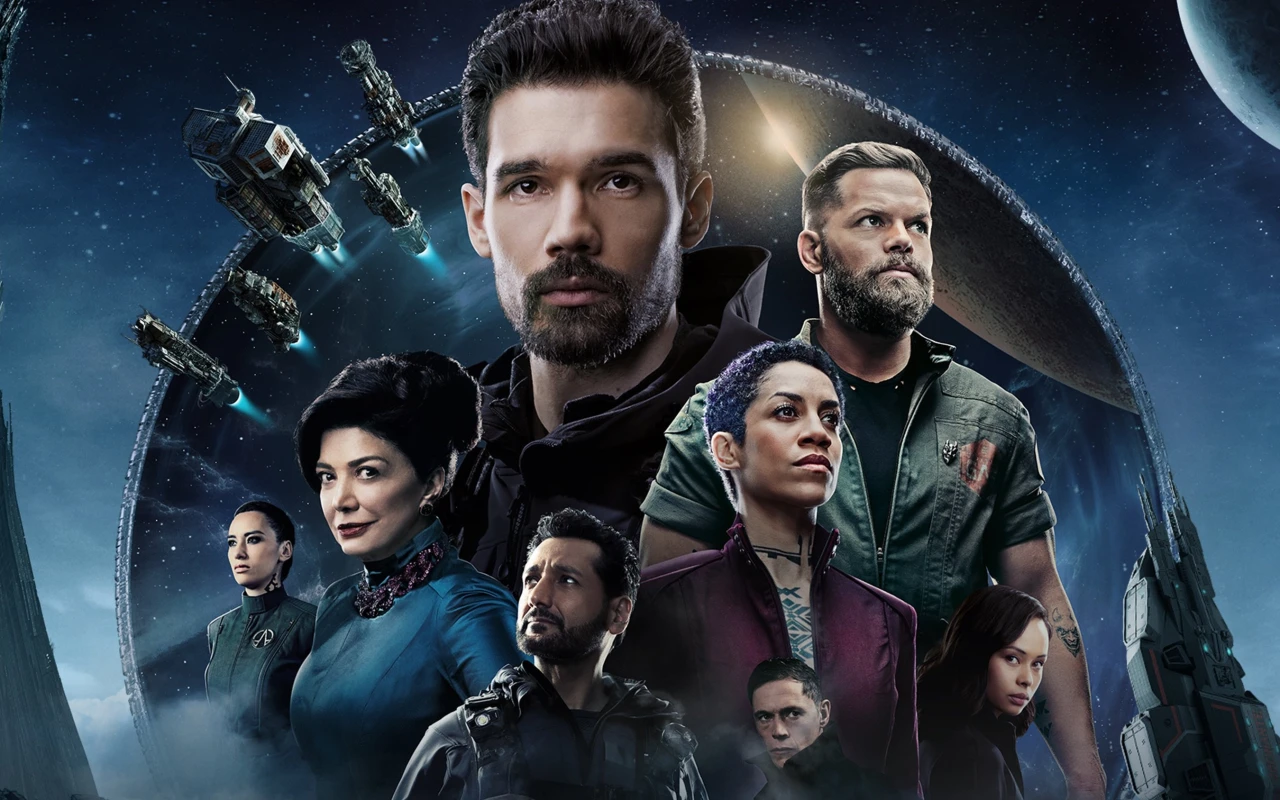
The Expanse is one such series. Despite a turbulent production journey—including a mid-series transition from SyFy to Amazon Prime Video to avoid cancellation—the show delivers a polished and immersive experience that makes the complexities of sci-fi storytelling seem straightforward. The series finds a remarkable balance between realism and fantasy; it respects the laws of physics regarding space travel and battles, avoiding clichéd aliens or flying saucers. Yet, it also incorporates wildly imaginative elements, such as the mysterious Protomolecule, which enables everything from glowing blue super soldiers to reanimated corpses. Remarkably, all these fantastical components feel coherent within the show's universe.
Many sci-fi shows falter because they repeatedly try to outdo their previous plot points or conform to audience expectations. Those that are part of established franchises often struggle to innovate without alienating their dedicated fanbases or contradicting canonical lore. The Expanse succeeds largely because it adheres closely to the source material—the novels by James S.A. Corey. This faithfulness allows the show to unfold organically as a sprawling saga, steadily building its narrative without rushing or pandering. The creators’ sole focus is on telling the most compelling space adventure possible and delivering it with visual flair.
Comparing The Expanse to other contemporary sci-fi series such as Star Trek: Discovery highlights its unique position in the genre. Star Trek: Discovery wrestled with the constraints of an established timeline and franchise lore, first set in the past and then jumping to the distant future to avoid conflicts. Despite these changes, the show was often questioned about its legitimacy within the Star Trek universe and faced scrutiny over character arcs, planetary storylines, and species continuity. This tension prevented it from fully embracing its own identity.
In contrast, The Expanse operates within a fresh universe, free from legacy constraints. This freedom allows it to establish its own rules, tone, and expectations without the pressure of fitting into an existing mythos. The ability to define its own parameters is a significant factor in why it appears so natural and unforced. While spin-offs and reboots can also feel effortless—Alien: Earth is a good example of reinventing a known franchise smoothly—The Expanse underscores that removing creative restrictions can unleash the full potential of sci-fi’s imaginative scope.