Explore why music catalogs are the entertainment industry's hottest asset. Get insights from Reservoir Media's CEO on the booming market and its future.
- April 2, 2026
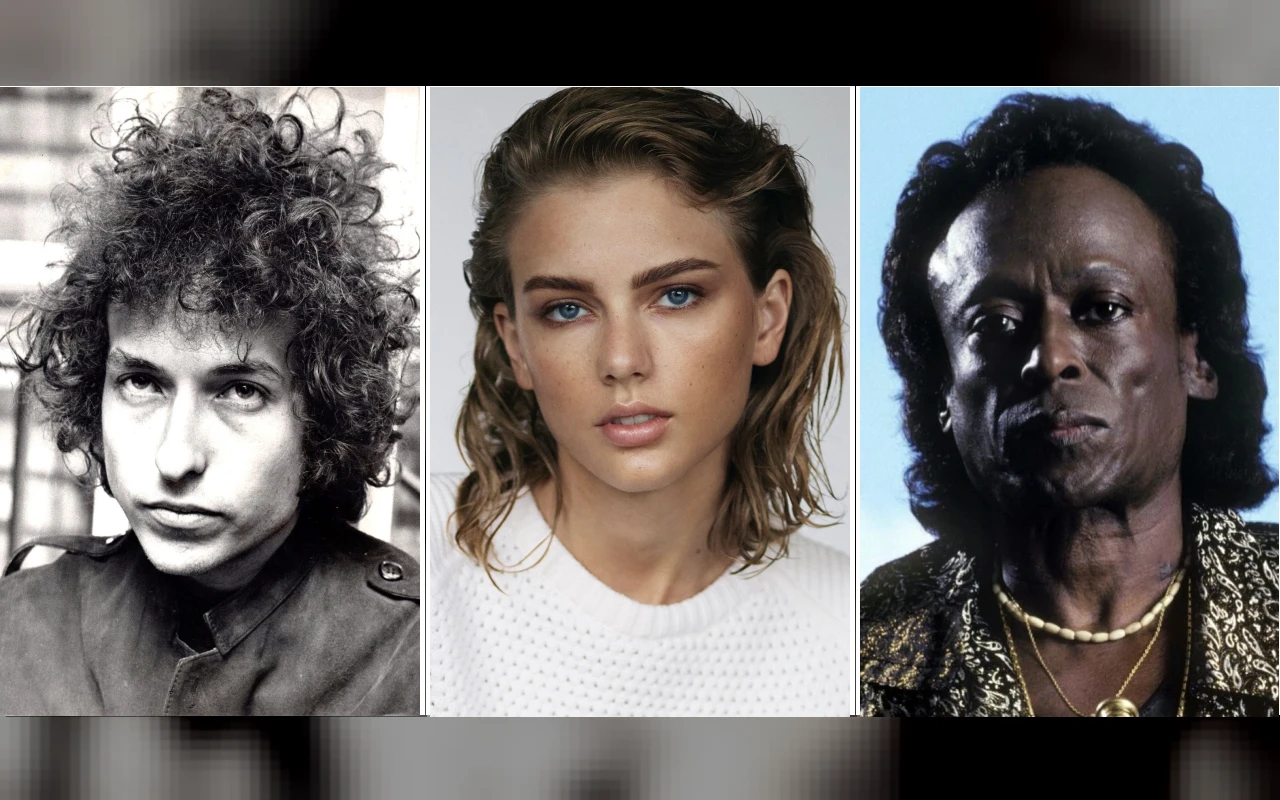
AceShowbiz - Music catalogs have emerged as some of the most valuable and sought-after assets in the entertainment industry. Over recent years, major artists like Bob Dylan, Taylor Swift, and Miles Davis have bought or sold portions of their catalogs for prices that turn heads across the business world.
Billboard On The Record recently sat down with Golnar Khosrowshahi, founder and CEO of Reservoir Media, to explore the dynamics behind this booming market and its future trajectory heading into 2026. As a pioneer in the space, Khosrowshahi launched Reservoir in 2007, well before music catalogs became a hot commodity for investors and artists alike.
During the interview, Khosrowshahi explained how she recognized the enduring value of music rights early on, building Reservoir into a powerhouse by carefully acquiring catalogs in a market that was much quieter at the time. Her approach has always focused on long-term, stable value through collaboration with artists, estates, and families, rather than quick flips.
"The value of music catalogs goes beyond just revenue," she noted, emphasizing the importance of preserving an artist’s legacy while ensuring their music remains culturally relevant for new generations. This balance is critical in today’s evolving music economy, where licensing deals, film and TV placements, as well as biopics, can significantly boost a catalog’s worth.
Several recent high-profile transactions underscore this trend. Artists such as Britney Spears, The Weeknd, Whitney Houston, and others have participated in catalog deals that highlight the increasing financial and cultural significance of owning music rights. These transactions are not only lucrative but also strategic moves to capitalize on the diverse revenue streams music catalogs generate.
Another factor shaping catalog valuations is the growing role of sampling in contemporary music production. Sampling, which often requires clearance from catalog owners, has become a vital part of the industry’s creative and business ecosystem, contributing to the ongoing demand for quality catalogs.
Looking forward, Khosrowshahi also touched on the potential impact of generative AI technologies. While still emerging, AI could reshape how catalogs are valued by influencing music creation, licensing, and consumption patterns, further transforming the landscape of music ownership.
Billboard On The Record encourages listeners to stay connected via Instagram, Apple Podcasts, Spotify, and YouTube @billboard to follow more insights on this evolving sector. The podcast is produced in partnership with SickBird Productions, bringing expert perspectives from those who are shaping the future of music rights.
This deep dive into the catalog market reveals why these music assets—from legends like Bob Dylan and Taylor Swift to jazz icon Miles Davis—remain powerful investments. As the industry evolves toward 2026, the interplay of heritage, technology, and creative licensing will continue to drive the value and relevance of owning music catalogs.