Court denies Kardashian-Jenner bid to seal Ray J settlement details. Judge calls privacy claims "vague and unsupported.
- April 1, 2026
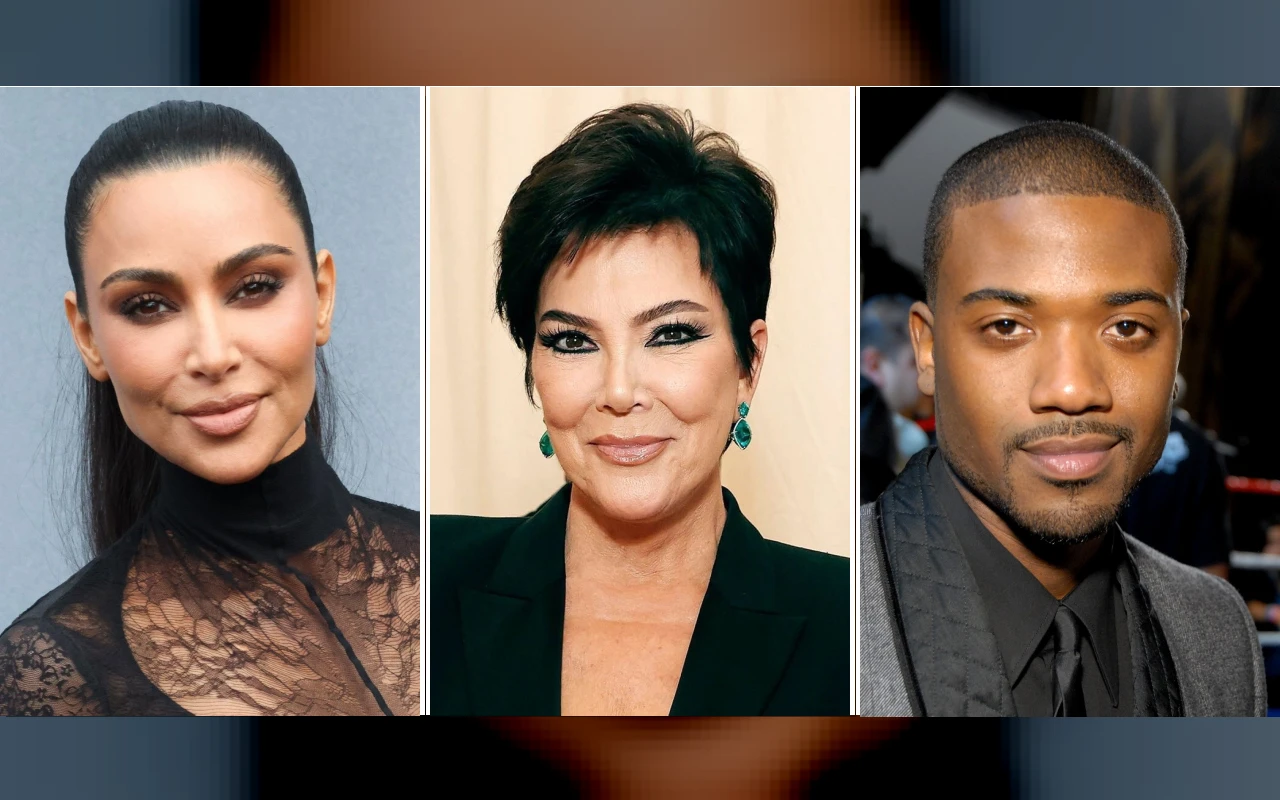
AceShowbiz - Kim Kardashian and her mother, Kris Jenner, recently faced a setback in their legal efforts to keep parts of a 2023 settlement agreement with Ray J confidential. According to a court document filed on March 30 and obtained by Rolling Stone, a Los Angeles Superior Court judge denied their motion to seal significant portions of the settlement.
The reality TV star and her mother had argued earlier this month that public disclosure of the settlement terms "would cause substantial harm to the Kardashians' privacy interests and undermine the strong public policy interest in favor of settlement agreement." However, Judge Steven A. Ellis ruled that the plaintiffs failed to provide sufficient evidence demonstrating any real harm from making the agreement public.
In his decision, Judge Ellis described their claims as "too vague, speculative, amorphous, and unsupported" to justify sealing the documents. The court only agreed to partially redact a bank account number but rejected the broader sealing requests.
Representatives for Kim Kardashian, Kris Jenner, and Ray J, whose legal name is William Ray Norwood Jr., did not immediately respond to Rolling Stone’s requests for comment on Tuesday.
Ray J and Kardashian dated in the early 2000s and appeared together in a sex tape recorded in 2003, which was released in 2007 by Vivid Entertainment. The tape became public shortly before the debut of Keeping Up With the Kardashians on E! in 2007. Vivid Entertainment maintains that it legally obtained the video from a third party.
More recently, in October 2025, Kardashian and Jenner filed a defamation lawsuit against Norwood. They accused him of fabricating claims that the two women should be investigated under federal racketeering laws, alleging he sought to harass and disparage them while attempting to revive his own fading notoriety.
The ongoing legal battle highlights the complexities surrounding privacy, celebrity, and public interest in high-profile settlements, with the court’s ruling affirming a preference for transparency absent clear evidence of harm.