Live Nation settles DOJ antitrust case, avoiding trial. Deal aims to boost competition but faces skepticism. What's next for Ticketmaster?
- March 11, 2026
AceShowbiz - The landmark antitrust trial involving Live Nation reached an unexpected turning point on Monday when the company announced a settlement with the Department of Justice, just one week into the high-profile court proceedings. The announcement took many by surprise, including the presiding judge and even one of the government’s lead prosecutors.
The proposed settlement outlines several changes to Live Nation and Ticketmaster’s business operations, potentially paving the way for increased competition within the live entertainment industry. However, skepticism remains widespread among politicians, independent trade organizations, and some companies that, in theory, might benefit from the new terms. Critics argue that the deal falls short of what is necessary, with many calling for a full breakup of the dominant entity that controls ticketing, venues, and promotions.
Rather than concluding the saga, the settlement ushers the case into a new phase. Judicial approval is still required, and even if the federal government’s lawsuit is resolved, individual states retain the option to bring their own legal actions against Live Nation. Below is an in-depth overview of the current status and what could unfold moving forward.
Is the legal battle over?
Not by a long shot.
What happens next?
Firstly, the settlement must receive approval from the court. Additionally, Live Nation must negotiate with nearly 40 state attorneys general, plus Washington, D.C., who joined the federal lawsuit filed in 2024.
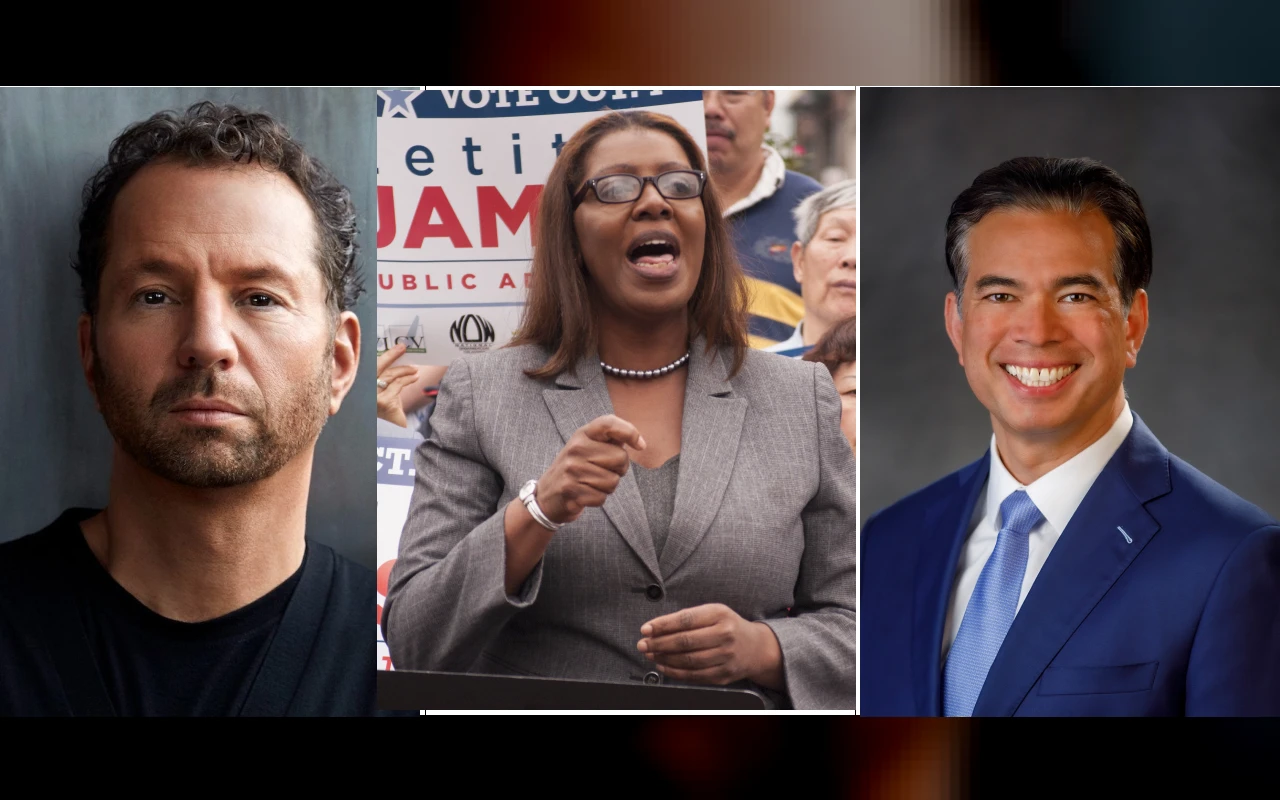
Many of these states have expressed dissatisfaction with the proposed settlement. New York Attorney General Letitia James criticized the deal as failing to tackle the core monopoly issues and argued that it favors Live Nation at the expense of consumers.
James and 27 other state attorneys general have indicated plans to continue legal efforts at the state level. California AG Rob Bonta stated, “Just in the first week of trial, we’ve already heard that Live Nation fully intended to take advantage of fans—and were able to do so because fans had no other place to go. Live Nation has manipulated the market, made itself untouchable by any competitor, and raked in the cash—not because it is better, but because it has acted illegally and created a monopoly.”
Several states have also filed a motion for a mistrial, arguing that the mid-trial settlement damaged their case by prejudicing the jury and limiting their access to witnesses, experts, and exhibits.
Will the state lawsuits proceed quickly?
It’s possible the trials could resume as soon as next week. At a March 10 hearing, Judge Arun Subramanian ordered the holdout states to return to negotiations with Live Nation and attempt to reach a deal by week’s end. Failure to do so could result in the case restarting on the following Monday.
However, delays are possible. The states requested a 60-day stay to prepare for taking over the case from the DOJ, and the judge has reserved judgment on this request for now.
Which states support the settlement, and what do they gain?
States such as Arkansas, Iowa, Mississippi, Nebraska, Oklahoma, South Carolina, and South Dakota have expressed intent to settle under the DOJ’s terms, according to the mistrial filing. Arkansas AG Tim Griffin’s communications director, Jeff LeMaster, expressed support for the resolution.
The settlement itself does not impose a financial penalty on Live Nation. However, the company announced the creation of a $280 million fund to be distributed among states that agree to the settlement.
What does the settlement entail?
The term sheet, signed by Live Nation CEO Michael Rapino and the DOJ’s acting antitrust head Omeed A. Assefi, includes 13 key points covering ticketing practices and Live Nation’s extensive amphitheater holdings.
Ticketing concessions are among the most notable aspects. Ticketmaster has agreed to allow competitors like SeatGeek and Eventbrite to list tickets on its platform. Additionally, Ticketmaster will limit exclusivity contracts with venues to a maximum of four years. Venues can opt for either exclusive or non-exclusive agreements, with the latter allowing some primary tickets to be sold through other sellers.
These changes address one of the DOJ’s main allegations: that Live Nation pressured venues into long-term exclusivity with Ticketmaster, sometimes threatening to withhold concerts from venues that partnered with rivals. One witness, John Abbamondi, former CEO of the Barclays Center, testified that the number of Live Nation shows there dropped significantly after the venue signed with SeatGeek in 2021.
Abbamondi highlighted an example involving Billie Eilish’s New York performances. He stated that she was initially scheduled to play Barclays and Madison Square Garden before her 2020 tour was canceled due to the pandemic. When she resumed touring in 2022, her shows were booked at Madison Square Garden and the UBS Arena on Long Island. While Live Nation claimed the artist made this choice, Abbamondi said a Billie Eilish manager told a Barclays employee that Live Nation had made the decision. (The judge ruled this testimony as hearsay and instructed the jury to disregard it.)
Has Live Nation been warned against such practices before?
Yes. When Live Nation and Ticketmaster merged in 2010, a DOJ consent decree was put in place to prevent retaliation against venues using competing ticketing services. In 2018, allegations of retaliation prompted a DOJ investigation, resulting in a 2020 settlement that extended the decree through 2025. The current settlement proposes extending it an additional eight years.
How is the new settlement different?
The consent decree’s language will be revised to provide clearer prohibitions against retaliation, interference, and circumvention regarding venues that do not work exclusively with Ticketmaster. Enforcement will be strengthened by appointing a trustee to oversee compliance related to anti-retaliation and contractual fairness.
Additionally, a monitor will continue to supervise Live Nation’s operations and submit quarterly reports to the DOJ and a State Executive Committee. Violations of the agreement could result in $5 million penalties, with further consequences possible for repeated offenses. For context, Live Nation reported $25.2 billion in revenue for 2025.
What about Ticketmaster’s notoriously high service fees? Does the deal limit those?
Partially. Ticketmaster has agreed to cap service fees at 15 percent, but the cap applies only at amphitheaters owned, operated, or controlled by Live Nation. This measure does not extend to other venues or ticketing scenarios.
In summary, while the settlement represents a step toward addressing antitrust concerns in the live entertainment industry, many questions remain unanswered. The ongoing involvement of numerous state attorneys general and the need for judicial approval mean that the legal battles surrounding Live Nation and Ticketmaster could continue for months or even years.
Industry observers will be watching closely as negotiations proceed and court decisions unfold, determining how the live concert and ticketing market will evolve in the near future.