Hollywood heavyweights warn a Netflix-Warner Bros. Discovery deal could be disastrous for theaters. Experts analyze the high-stakes bidding war and its indus...
- March 10, 2026
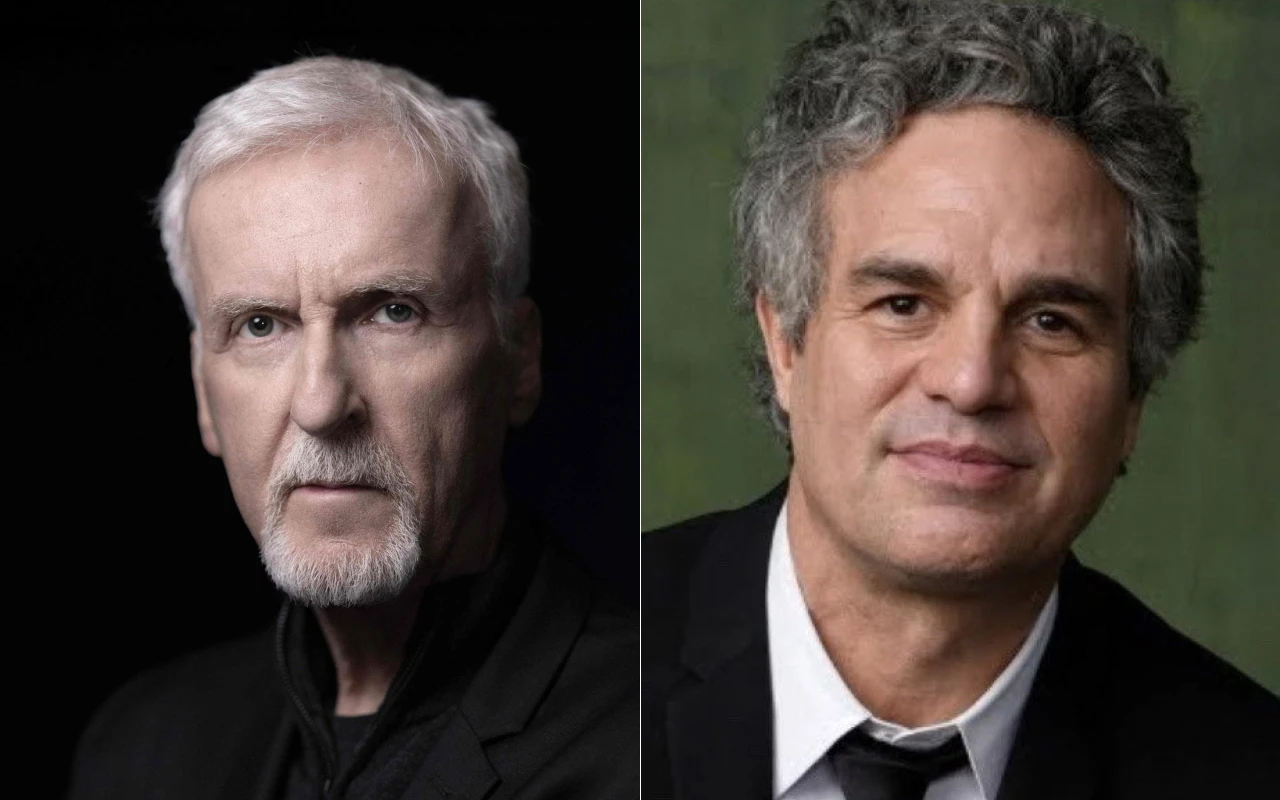
AceShowbiz - In a compelling letter to Senator Mike Lee, Chairman of the U.S. Senate Committee on Antitrust, Competitive Policy, and Consumer Rights, James Cameron expressed grave concerns about the potential sale of Warner Bros Discovery (WBD) to Netflix. He warned that such a transaction would be disastrous for the theatrical motion picture business. This viewpoint was echoed by actor Mark Ruffalo, who questioned whether the monopolistic threats of a Paramount acquisition should also be scrutinized. The heated bidding war over WBD indicates that one bidder will soon claim the prized studio, but the implications for the film industry are far-reaching.
Joseph M. Singer, who has written extensively about the dangers of the WBD sale and the shrinking theatrical windows, now adds his perspective as a former tentpole film producer, studio executive, and current mergers and acquisitions expert in the entertainment sector. He emphasizes that the debate transcends a mere corporate deal; it strikes at the heart of the American film industry's economic foundation.
James Cameron's concerns resonate widely among filmmakers, studio employees, financiers, exhibitors, and middle-class workers alike. The ongoing discussion about selling Warner Bros Discovery to either Netflix or Paramount is less about which company acquires the studio and more about preserving the economic structure that supports large-scale film production in the U.S.
The theatrical business is infrastructure, not just nostalgia or sentiment. It represents the critical downstream market that determines film financing viability. Joseph M. Singer agrees with Cameron that control over distribution channels is inseparable from ownership of studios like Warner Bros Discovery. Historically, studios thrived because they controlled how films moved through the various release windows: theatrical, premium video on demand (PVOD), Pay-1 (streaming subscription), Pay-2 (cable), and international licensing.
When distribution control shifts to a company whose core incentives do not prioritize theatrical exhibition—such as Netflix focusing on subscriber retention or corporate consolidation—decision-making no longer maximizes the long-term value of films but rather short-term platform goals. This shift represents the real challenge facing policymakers today.
Both Netflix and Paramount present significant issues as potential buyers. Neither is legally, economically, or culturally required to acquire Warner Bros Discovery. Maintaining WBD’s independence remains a legitimate and potentially safer option for the industry.
The choice between Netflix and Paramount should not be framed as a simple binary. A Netflix acquisition creates clear conflicts with theatrical exhibition, threatening the traditional cinema experience. Conversely, a Paramount acquisition raises serious concerns about industry consolidation. Reducing the number of major studios diminishes film and TV production, competition, greenlighting opportunities, buyers for filmmakers, and pricing competition for talent—leading to higher costs for consumers. Regardless of the buyer, consolidation risks shrinking creative diversity and competition.
Mark Ruffalo's question to James Cameron—whether concerns about monopolization apply solely to Netflix or equally to Paramount—strikes at the core of this debate. The filmmaking community deserves clarity. If consolidation threatens creative plurality, all proposed buyers must face equivalent scrutiny.
Senator Mike Lee has voiced similar concerns. If the fear centers on declining theatrical filmmaking, any deal that materially concentrates studio power should be subject to the same rigorous examination.
What has heightened industry anxiety is the uncertain future of the theatrical window. Netflix co-CEO Ted Sarandos has refused to commit to a 45-day theatrical window followed by an exclusive TVOD (transactional video on demand) period before films move to streaming subscription (SVOD). This ambiguity threatens the economic model that sustains theatrical movies.
Under the current system, films transition from theaters to a profitable TVOD window before reaching the exclusive Pay-1 streaming stage. Shortening or eliminating the TVOD window halves the time to SVOD, destroying the "revenue stack" studios rely on to recoup investments. Without this staggered revenue model, financing and profiting from most theatrical films becomes nearly impossible.
During a recent podcast, Sarandos expressed support for a TVOD/PVOD window on blockbuster titles like Superman and Batman but did not commit to minimum lengths or exclusivity. He distinguished these event films from the rest of the slate, further muddling expectations. This noncommittal stance continues to avoid a true exclusive TVOD window like Warner Bros currently employs and leads audiences to expect many films to bypass an exclusive TVOD period before streaming. This approach fails to address the economic damage already discussed.
The issue extends beyond timing to the industry's fundamental economics. Collapsing exclusive windows that generate premium revenue diminishes the value of films' Pay-1 rights and long-term library worth. This erosion reduces funding available for future projects, undermining the financial logic behind big-budget theatrical productions and threatening the sustainability of the entire business model.
Ultimately, Sarandos's ambiguity signals a lack of long-term commitment to the traditional theatrical experience. Without clear support from major industry leaders, theatrical windows may remain as they are, forcing financiers to price in greater risk and discouraging exhibitors from reinvesting. While Netflix's position may be a negotiation tactic, it creates destabilizing uncertainty, leading studios, filmmakers, exhibitors, and investors to fear that the traditional theatrical pathway is being deliberately dismantled.
This uncertainty destabilizes the entire industry.
There is also a broader structural concern regarding creative diversity. Studios that relinquish control over distribution inevitably sacrifice creative plurality. When a single platform dominates production, release, and consumption, films gravitate toward the safest global programming choices rather than a varied and vibrant theatrical slate. History teaches that vertical consolidation reduces experimentation well before an official reduction in output occurs.
For example, Disney's acquisition of Fox reduced the number of major studios from six to five. This consolidation led to thousands of lost jobs, a significant reduction in Fox's theatrical releases, and fewer films overall. Moving from five studios to four would substantially amplify these negative consequences.
Warner Bros Discovery remains one of the last studios capable of supporting a broad theatrical slate across diverse genres and budgets. Changing its ownership will reshape the industry’s competitive landscape for decades.
Therefore, preserving Warner Bros Discovery’s independence must remain part of the policy debate. The decision is not simply between two buyers. Keeping WBD as a standalone entity better protects competition, jobs, and America’s most powerful cultural export than perpetuating another consolidation cycle.
To put it plainly, a merger between Paramount and Warner Bros Discovery would instantly eliminate a major global buyer, distributor, and content creator. In every scenario, competition shrinks, and when competition decreases, both consumers and creators lose.
There is an uncomfortable truth rarely spoken aloud in this industry: the company controlling distribution ultimately controls the market. Distribution—the ability to reach audiences at scale, fairly and openly—is the lifeblood of the film business. When a single company gains excessive leverage over theatrical bookings, cable carriage, or streaming visibility, the entire system tilts. Once tilted, it seldom rights itself.
A marketplace dominated by one or two companies controlling the majority of the pipeline from production to the viewer is no true marketplace. It is a controlled system that stifles creativity, protects incumbents, favors safe content over innovation, and punishes new ideas. Distribution becomes a tool of control rather than a competitive marketplace.
Regulators must treat distribution power with the same urgency as content ownership to preserve a healthy, creative, and competitive film industry for the future.