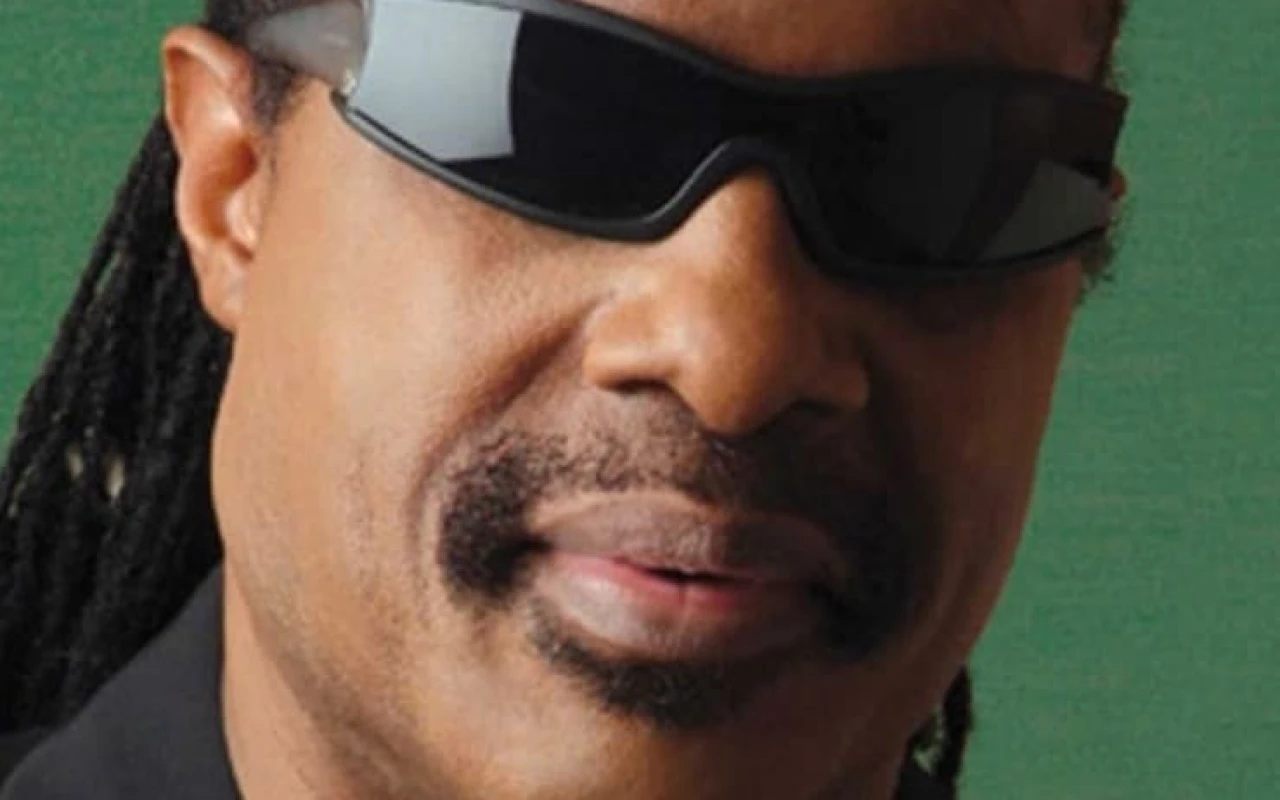
Explore Dr. Martin Luther King Jr.'s enduring legacy and how Stevie Wonder's "Happy Birthday" transformed birthday celebrations into a powerful tribute.
- January 19, 2026
AceShowbiz - There are few figures in American history as influential as Dr. Martin Luther King Jr. The iconic leader of the Civil Rights Movement mobilized millions to advocate for justice and equality. His enduring legacy continues to shape contemporary activism, inspiring generations to confront social issues. Dr. King’s profound influence can be seen across various facets of culture, from literature and film to music. One of the most significant cultural contributions inspired by Dr. King is Stevie Wonder's "Happy Birthday".
While many people celebrate birthdays with traditional songs like the Beatles' "Birthday," it is Stevie Wonder's rendition that has become a cultural staple during birthday celebrations. Yet, few realize that this funky and joyful version of the classic birthday tune carries a deeper significance. In 1979, Congress debated the establishment of a national holiday in honor of Dr. Martin Luther King Jr., but the bill failed to pass. In response to this setback, Wonder released "Happy Birthday" in 1980, using his platform to advocate for the recognition of MLK’s birthday as a national holiday.
The song's catchy refrain, which repeatedly states "Happy Birthday to you," quickly resonated with audiences and became a beloved anthem during birthday celebrations across America. However, the first verse of the song reveals a more profound message, addressing the importance of Dr. King's legacy and the need for recognition:
"You know it doesn't make much sense..."
Wonder's lyrics highlight the necessity of honoring Dr. King's contributions to society, urging listeners to reflect on the ongoing struggle for civil rights and equality. The song not only celebrates individual birthdays but also serves as a powerful reminder of the collective fight for justice. By intertwining a personal occasion with a significant historical cause, Wonder's "Happy Birthday" has transcended its original purpose to become a symbol of activism.
Over the years, the song has been embraced by various movements and events, reinforcing its status as an anthem for social change. Each time it is sung, it echoes a commitment to the principles that Dr. King stood for, reminding us that birthdays can be more than just personal milestones; they can also be moments of reflection on the broader societal issues we face.
In conclusion, Stevie Wonder's "Happy Birthday" is not merely a song for celebrations; it is a powerful cultural artifact rooted in the fight for justice and equality. Its origins remind us that every birthday can also be a moment to honor the legacy of Dr. Martin Luther King Jr. and to continue striving for a better future for all.