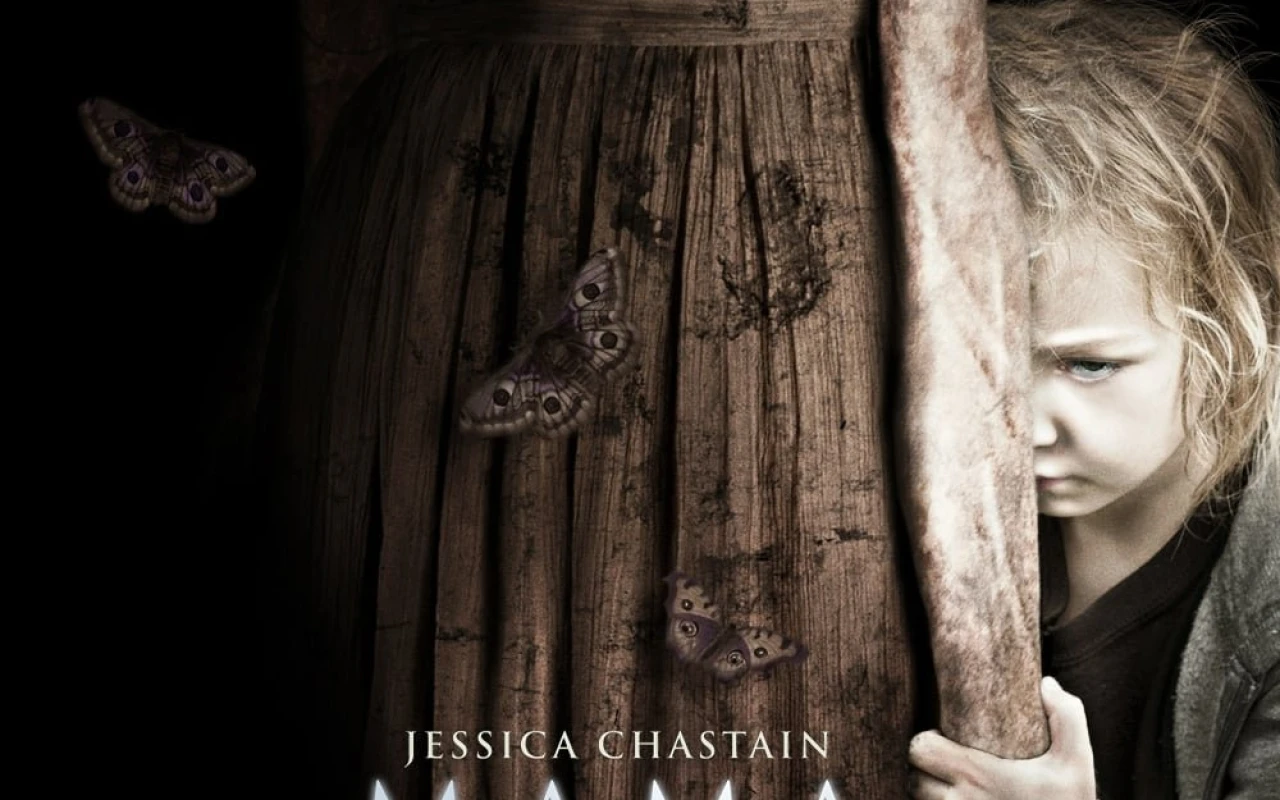
Discover how Andy Muschietti's chilling debut, Mama (exec. produced by Guillermo del Toro), laid the groundwork for his It saga, blending raw emotion & unfor...
- October 31, 2025
AceShowbiz - Before Andy Muschietti became the visionary behind Stephen King's terrifying It saga, his 2013 feature debut, Mama, made a profound statement. Executive produced by Guillermo del Toro, this chilling ghost story proved horror doesn't require immense scale to be unforgettable. Mama was a deeply unsettling film, its rotten heart beating beneath chilling set pieces, exploring the corrosive power of love and loss – a thematic throughline Muschietti later brought to It and It Chapter Two.
Mama didn't just scare audiences; it heralded a distinctive new voice in horror cinema. The narrative of two feral girls and a vengeful spirit isn't merely an effective supernatural horror movie; it's a blueprint for Muschietti's signature blend of raw emotion and genre spectacle. Unlike many ghost stories of its era, Mama eschews relentless jump scares or cheap shocks. Its horror organically emerges from its profound emotional core: a mother's love twisted into something toxic and all-consuming.
With the prequel series, It: Welcome to Derry, on the horizon, revisiting Mama is essential viewing. It offers an early glimpse into the filmmaker Muschietti became – a director whose work is often messy, ambitious, and unnervingly tender. He showed he understands horror resonates deepest when it breaks your heart. For those wondering how Muschietti earned the keys to an iconic horror franchise, it begins with a grieving ghost and a broken family.
The film unfolds like a dark fairytale gone wrong, a clear influence of Guillermo del Toro's aesthetic. It opens with two young girls abandoned in a cabin. Instead of perishing, they are taken in by an entity. Years later, when discovered and brought back to civilization, that "something" follows. While this spirit-refusing-to-let-go setup is familiar, Muschietti's nuanced treatment elevates it. Mama is steeped in gothic atmosphere, yet focuses less on the haunted house and more on the fragile people caught within the haunting's grip.
The spectral entity at the film's core, known as Mama, is no arbitrary monster. She's a grieving woman from another century, a maternal figure warped by loss into something monstrous. Her love is possessive, suffocating, and terrifying. Instead of positioning the ghost as an external threat, Muschietti roots the horror in emotional attachment. What makes Mama so terrifying is precisely that intense, twisted love and the relentless devotion it demands.