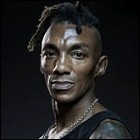
Adidja Azim Palmer, born on 7 January 1976 and universally known as Vybz Kartel, stands as one of the most influential, controversial, and enduring figures in the history of Jamaican dancehall music. With a career spanning over three decades, the artist, also dubbed the Worl' Boss, Teacha, and King of Dancehall, has achieved a level of cultural dominance in his home country that few can rival. As summarized by Rolling Stone, he "attained folk-hero status in Jamaica with provocative lyrics, and a mischievous public persona," and "few have captivated [the dancehall] audience – or offended the sensibilities of its detractors – as consistently and thoroughly as Kartel." His impact extends far beyond the Caribbean, as he has been credited as a primary inspiration for the dancehall-infused work of numerous Western artists, including Drake, who has repeatedly cited Kartel as one of his "biggest inspirations."
Kartel's ascent in the music industry began in the late 1990s, and he quickly distinguished himself with a unique lyrical dexterity, a commanding vocal delivery, and a willingness to push creative boundaries. He became a dominant force in the early 2000s with a string of hit singles and albums that solidified his reputation as a hitmaker. His discography is marked by a series of landmark tracks, including the provocative "Romping Shop" (2009), the introspective "Dancehall Hero" (2010), and the international crossover "Summer Time" (2011). His influence and versatility have led to high-profile collaborations with a diverse range of artists, including Major Lazer, Rihanna, Missy Elliott, Travis Scott, and Alison Hinds, demonstrating his ability to bridge the gap between dancehall and global pop, hip hop, and electronic music.
However, Kartel's career has been inextricably linked with legal troubles and public controversy. In 2014, his life took a dramatic turn when he was sentenced to life imprisonment for the murder of his associate Clive "Lizard" Williams. Despite his incarceration, Kartel's creative output did not cease; he remarkably continued to release new music from behind bars, issuing over 50 new songs in 2016 alone, a testament to his prolific nature and enduring popularity. His case became a focal point of legal and public debate, with questions raised about the fairness of his trial. In March 2024, his conviction was quashed by the UK Judicial Committee of the Privy Council, which cited juror misconduct and ruled that the Jamaican Court of Appeal would have to decide on a retrial. On 31 July 2024, after over a decade of imprisonment, Kartel was released from prison when the Court of Appeal declined to retry the Williams case, marking a dramatic conclusion to one of the most significant legal sagas in Jamaican music history. His release has been met with widespread celebration from his fans, and the "King of Dancehall" now navigates a post-prison career, his legacy as a musical pioneer and cultural lightning rod firmly cemented.
⭐
Similar Celebrities


📷
Recent Photos
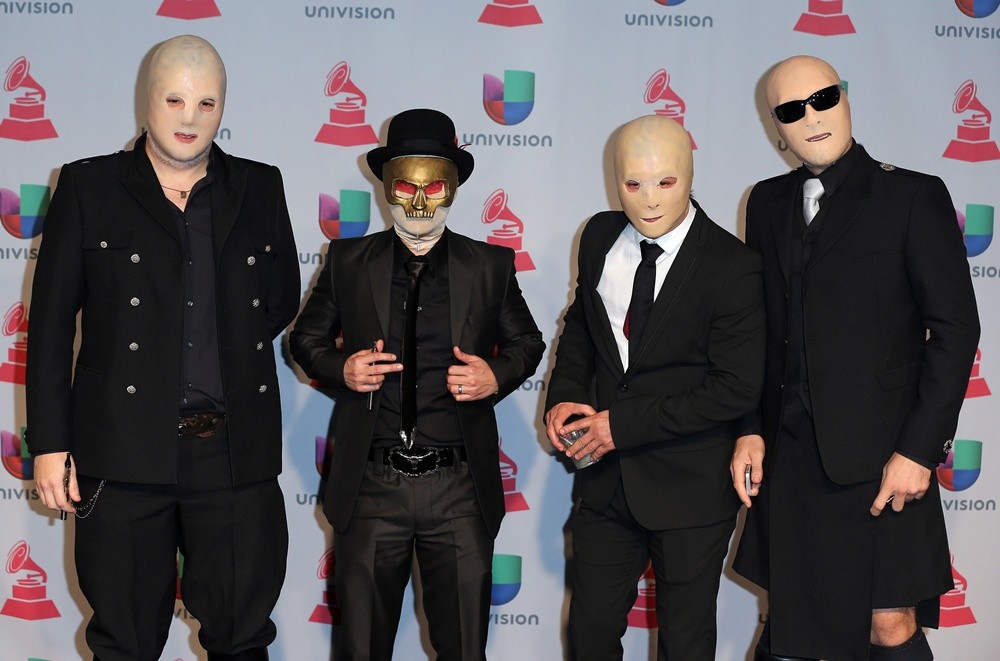
A Band of Bitches
The Latin Grammys 2013
Nov 21, 2013
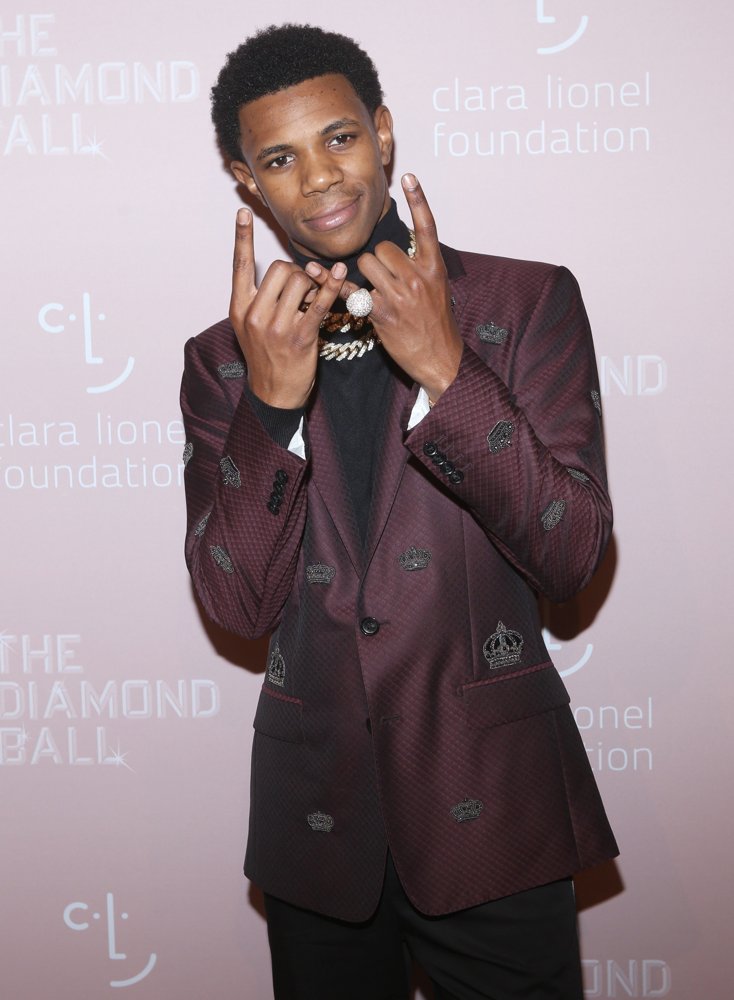
A Boogie Wit Da Hoodie
Rihanna's 4th Annual Diamond Ball
Sep 13, 2018
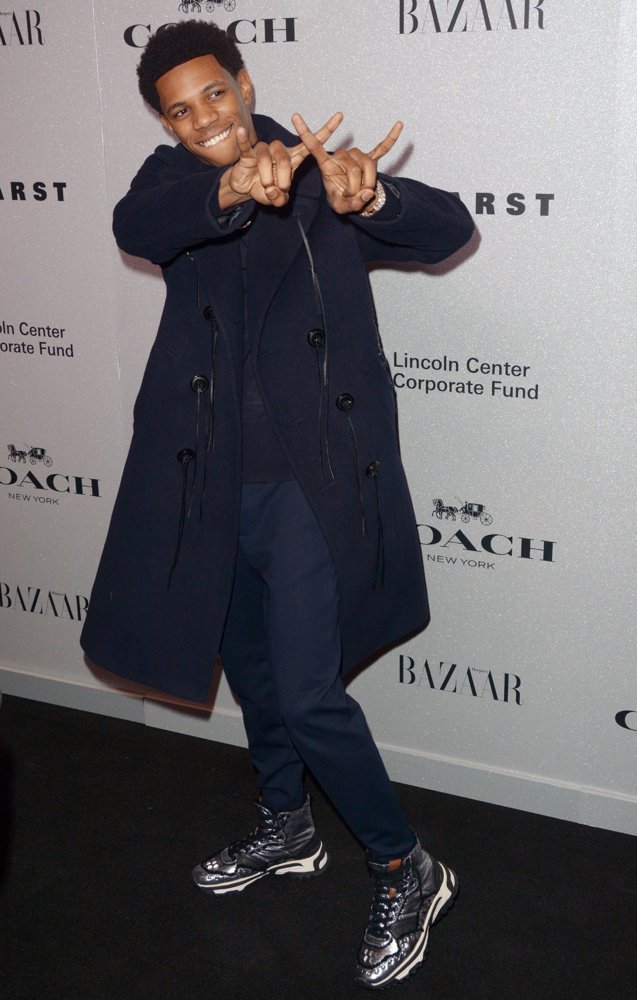
A Boogie Wit Da Hoodie
Lincoln Center Fashion Gala - An Evening Honoring Coach
Nov 29, 2018
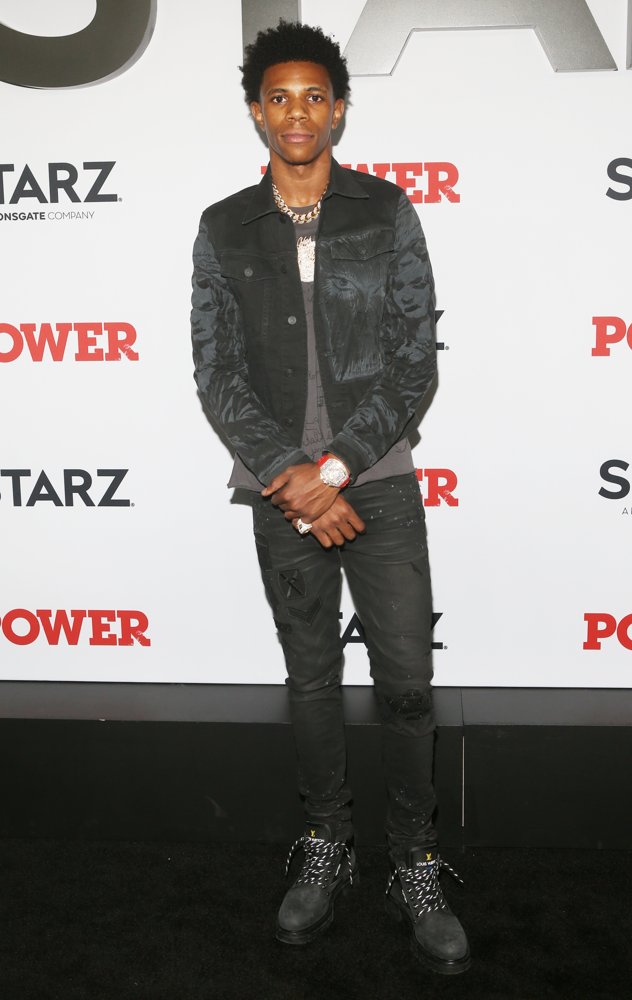
A Boogie Wit Da Hoodie
STARZ Red Carpet Event for Power Final Season World Premiere
Aug 20, 2019
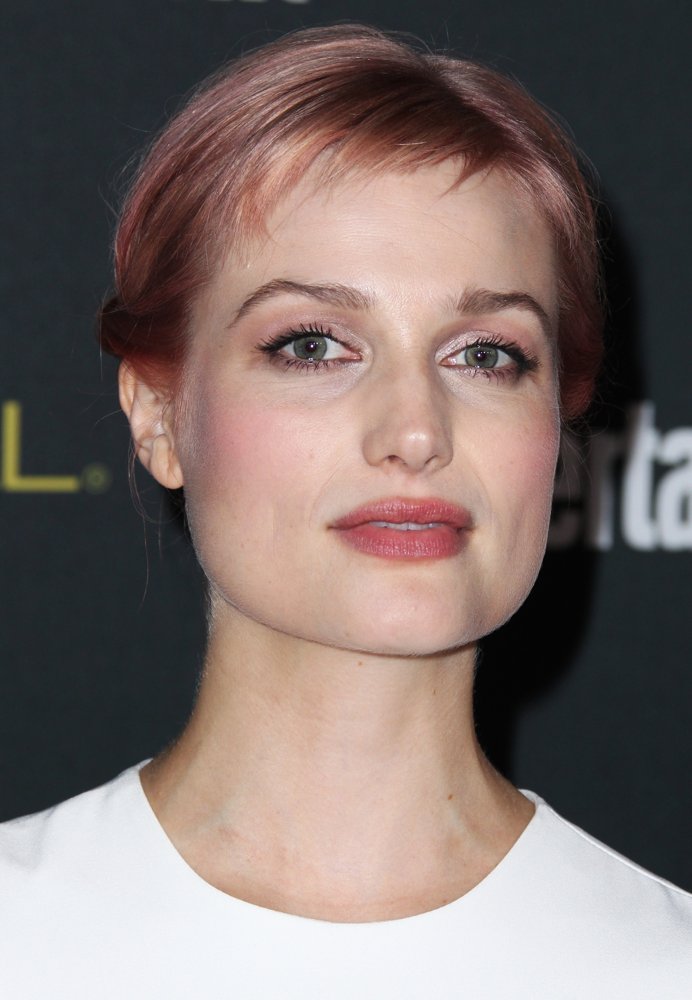
A Fine Frenzy
2014 Entertainment Weekly Pre-Emmy Party - Arrivals
Aug 23, 2014

A Fine Frenzy
2014 Entertainment Weekly Pre-Emmy Party - Arrivals
Aug 23, 2014





⭐Featured Celebrities