Todd Harry Rundgren, born June 22, 1948, in Upper Darby, Pennsylvania, stands as one of popular music’s most restless and inventive figures. A singer, songwriter, multi-instrumentalist, and producer, Rundgren has spent over five decades defying categorization, moving fluidly between psychedelia, power pop, progressive rock, electronic experimentation, and even interactive art. His career is marked by a relentless refusal to repeat himself, making him a singular force whose influence stretches far beyond his own commercially successful records.
Rundgren’s professional journey began in the mid-1960s with the formation of the psychedelic band Nazz in 1967. After two years and two albums, he left the group to launch a solo career, immediately establishing himself with the US top 40 hit "We Gotta Get You a Woman" in 1970. His commercial peak arrived with the 1972 double album Something/Anything?, on which he played nearly every instrument and which yielded the enduring classics "Hello It's Me" and "I Saw the Light." These songs remain staples of classic rock radio, while the album's deep cut "Couldn't I Just Tell You" became a touchstone for the power pop genre, influencing countless artists. Demonstrating his unwillingness to rest on his laurels, he followed this accessible success with the radical, genre-defying 1973 album A Wizard, a True Star, a work that continues to inspire generations of bedroom musicians with its dense, psychedelic soundscapes.
Beyond his solo work, Rundgren was a pioneer in both technology and production. In 1974, he formed the band Utopia, with whom he explored progressive rock and new wave over the next decade. His production credits are equally legendary, and he was one of the first figures to achieve prominence as both an artist and a producer. He helmed landmark albums such as Badfinger's Straight Up (1971), Grand Funk Railroad's We're an American Band (1973), the New York Dolls' self-titled debut (1973), Meat Loaf's monumental Bat Out of Hell (1977), and XTC's critically adored Skylarking (1986). His innovative spirit also extended to technology: he organized the first interactive television concert in 1978, designed the first color graphics tablet in 1980, and created the first interactive album, No World Order, in 1993. He was also an early adopter of the Internet for music distribution in the late 1990s.
His catalogue includes other notable hits, such as the 1978 ballad "Can We Still Be Friends" and the 1983 anthem "Bang the Drum All Day," which has become a ubiquitous presence in sports arenas, commercials, and movie trailers. In recognition of his immense contributions, Rundgren was inducted into the Rock and Roll Hall of Fame in 2021. Still active and perpetually forward-looking, he continues to tour and release new music, maintaining his status as a true iconoclast whose work as a musician, producer, and technological innovator has left an indelible mark on the landscape of modern music.
⭐
Similar Celebrities

📷
Recent Photos
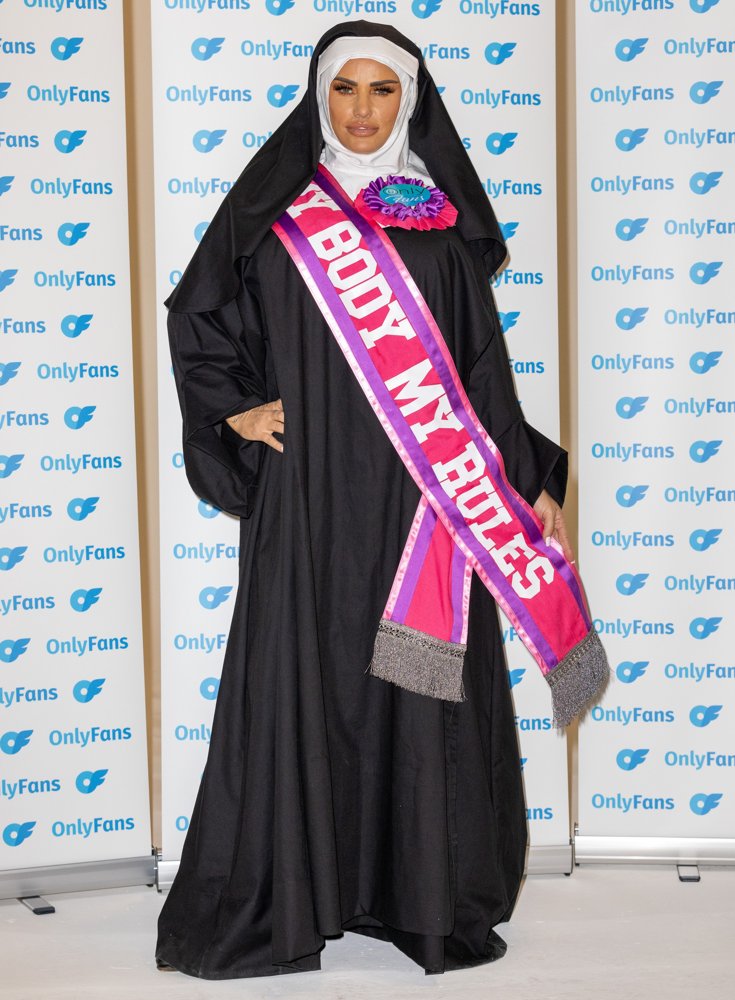
Katie Price
Katie Price Launches Only Fans Channel - Photocall
Jan 26, 2022
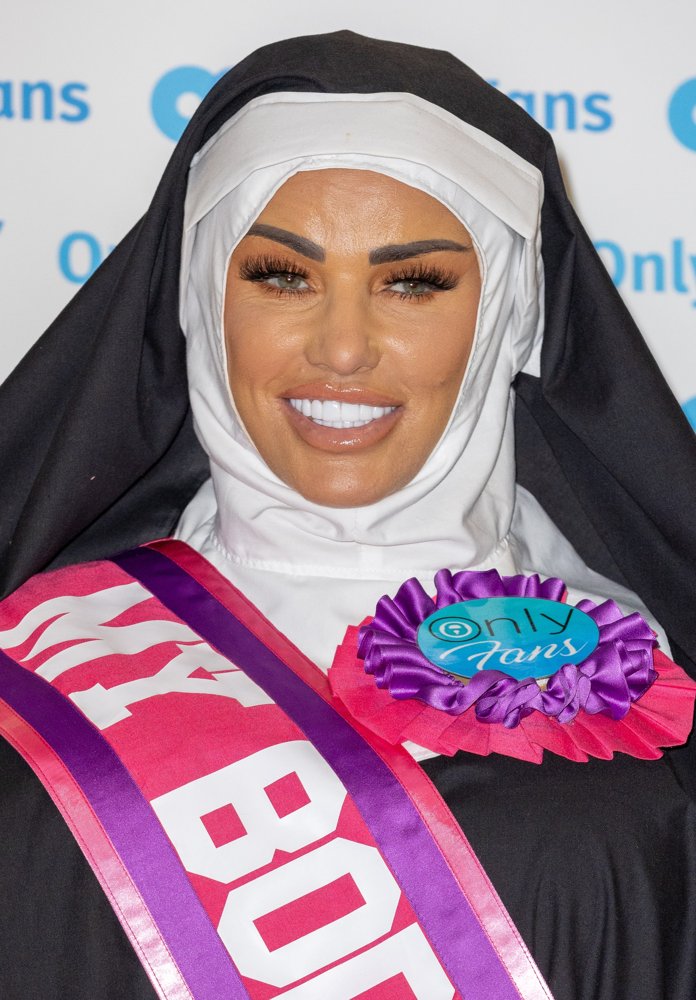
Katie Price
Katie Price Launches Only Fans Channel - Photocall
Jan 26, 2022
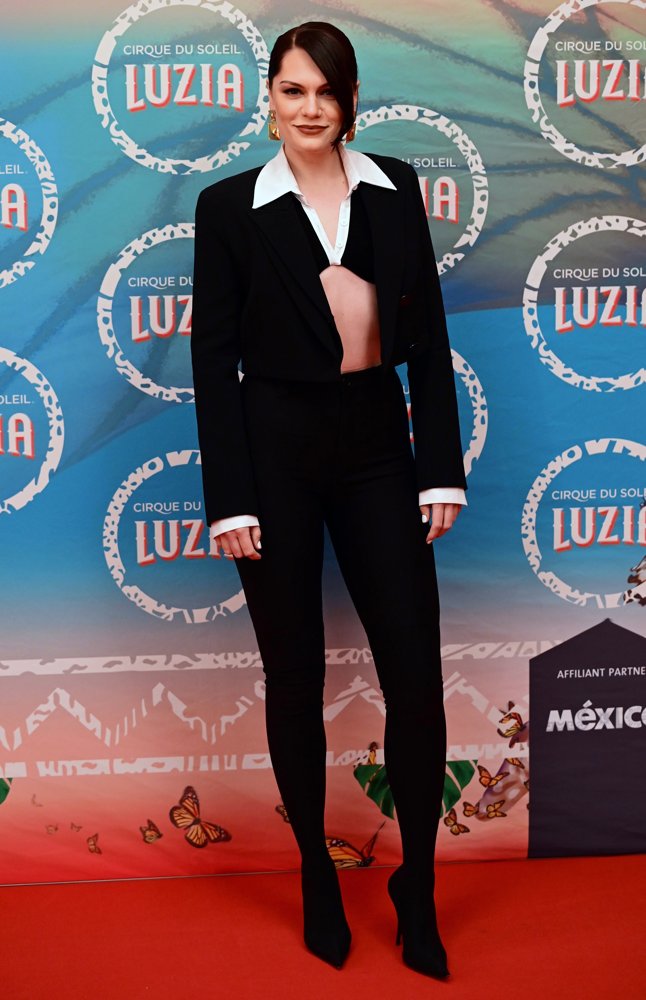
Jessie J
The Premiere of Cirque Du Soleil Luzia
Jan 13, 2022
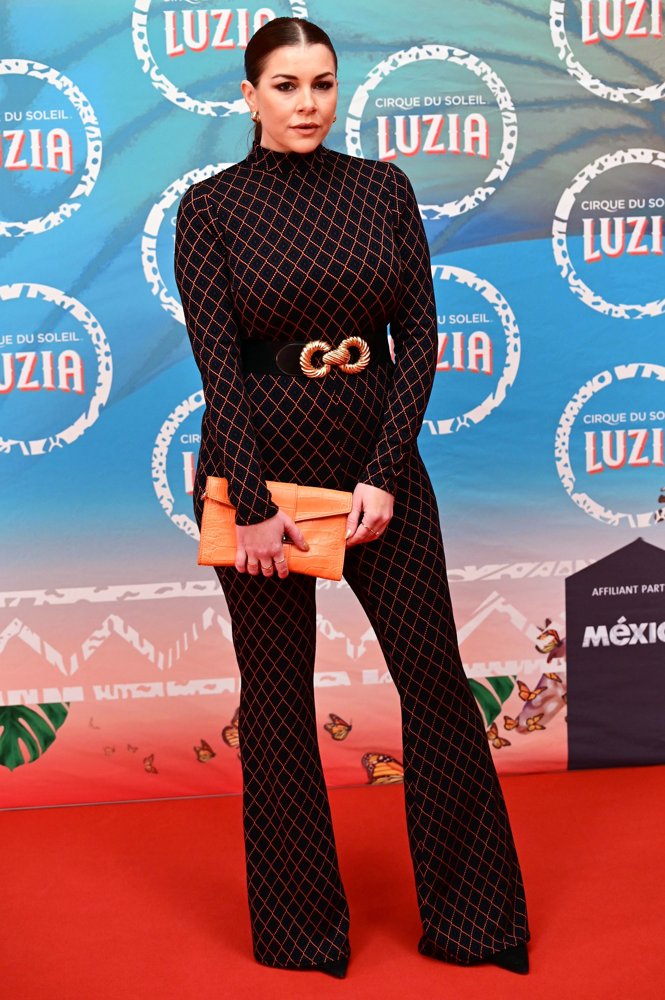
Imogen Thomas
The Premiere of Cirque Du Soleil Luzia
Jan 13, 2022
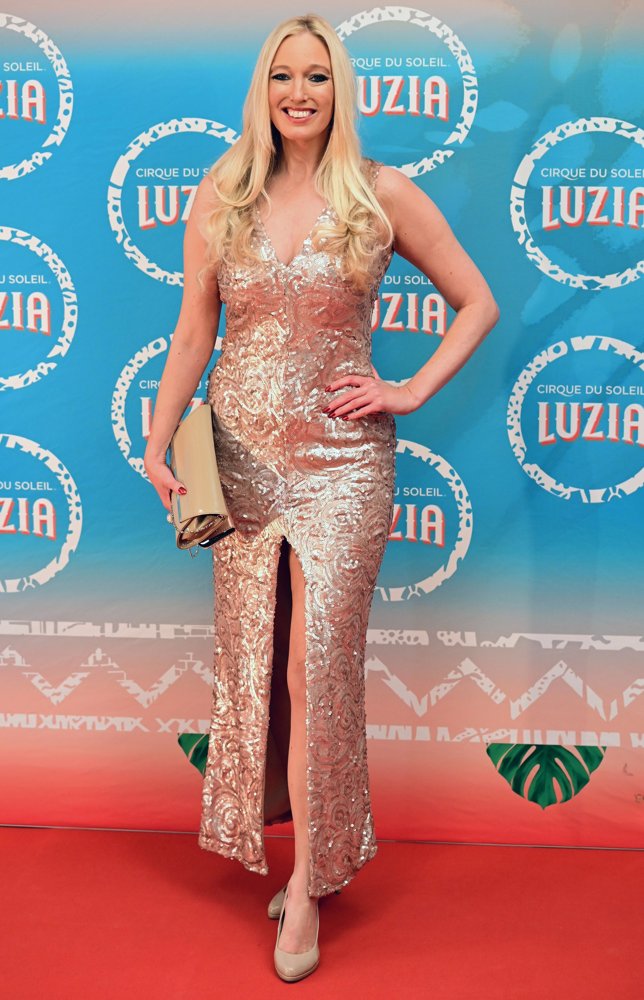
Hayley Palmer
The Premiere of Cirque Du Soleil Luzia
Jan 13, 2022
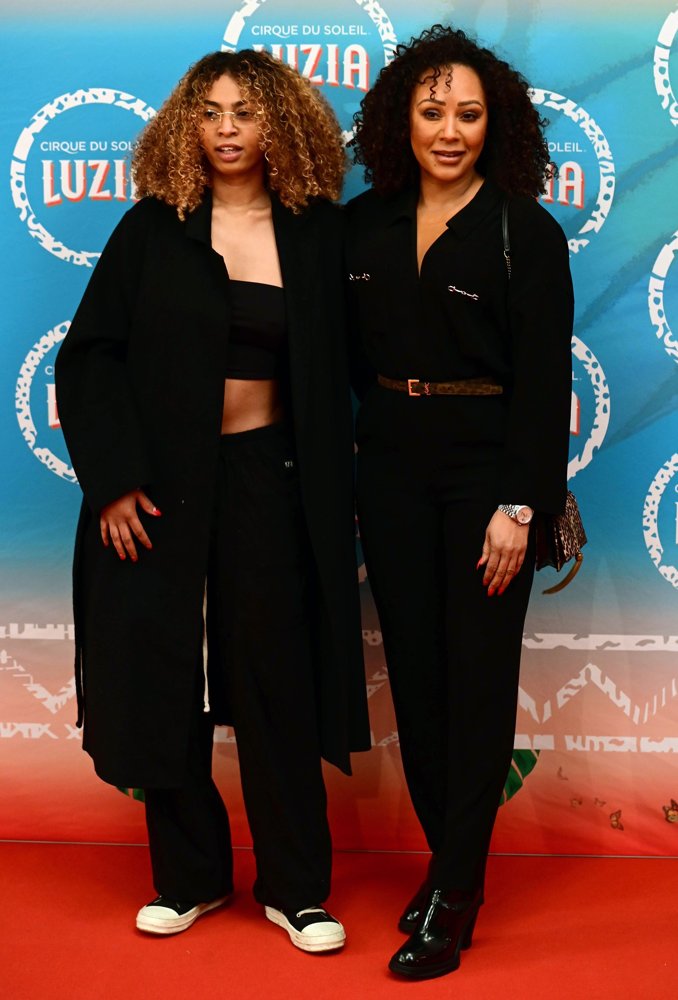
Phoenix Chi Gulzar
The Premiere of Cirque Du Soleil Luzia
Jan 13, 2022




⭐Featured Celebrities