Edward Theodore Riley, known to the world as Teddy Riley, stands as one of the most influential architects of modern R&B and hip-hop. Born on October 8, 1967, Riley is a record producer, songwriter, and performer who single-handedly created new jack swing, a revolutionary fusion of hip-hop rhythms, R&B melodies, and dance-pop energy that defined the late 1980s and early 1990s. His pioneering work not only reshaped the sound of contemporary music but also bridged the gap between urban and mainstream audiences, earning him a lasting legacy as a sonic innovator.
Riley first made his mark in the industry as a co-founder of the group Guy, alongside Aaron Hall and Damion Hall. The trio’s self-titled debut album in 1988 was a seismic event in music, introducing the world to the new jack swing sound with its heavy use of drum machines, synthesizers, and soulful vocals. Hits like "Groove Me" and "Teddy's Jam" established Riley’s signature production style, which would soon become the template for a generation of artists. Following Guy’s success, Riley formed Blackstreet in the early 1990s, a group that would cement his commercial dominance. With Blackstreet, he released multiple successful albums, including the multi-platinum self-titled debut and its 1996 follow-up "Another Level," which featured the iconic single "No Diggity." That track, featuring Dr. Dre and Queen Pen, became a number-one hit on the Billboard Hot 100 and won a Grammy Award, solidifying Riley’s reputation as a hitmaker of the highest order.
Beyond his work with his own groups, Riley’s production and songwriting credits read like a who’s who of music royalty. He produced and wrote "My Prerogative" for Bobby Brown, "I Like the Way (The Kissing Game)" for Hi-Five, and "Stutter" for Joe, all of which reached the top of the Billboard Hot 100. His collaboration with Michael Jackson on the 1992 single "Remember the Time" showcased his ability to blend his gritty urban edge with pop grandeur, while his remix of SWV’s "Right Here" became an enduring classic. Riley also worked with Heavy D & the Boyz, Keith Sweat, and the Jacksons, further expanding his influence across genres. His innovative use of the talk box vocoder became a hallmark of his sound, and his knack for discovering talent led him to sign a young Pharrell Williams in 1991, a decision that would have profound implications for the future of music.
In the 2010s, Riley turned his attention to the global market, particularly the burgeoning K-pop scene. Beginning with the extended play "Teddy Riley, the First Expansion in Asia" in 2011, he produced a string of hits for Korean acts, including "The Boys" for Girls’ Generation, "Mamacita" for Super Junior, and "Call Me Baby" for EXO. These tracks not only showcased his versatility but also demonstrated his enduring relevance in an ever-evolving industry. A two-time Grammy Award winner, Riley’s influence extends far beyond his chart-topping records; his innovations in sampling, sound effects, and the integration of rapping into R&B have left an indelible mark on contemporary music. Today, he remains an active and respected figure, continuing to produce and perform, while his legacy as the father of new jack swing ensures his place in the pantheon of music pioneers.
⭐
Similar Celebrities

📷
Recent Photos
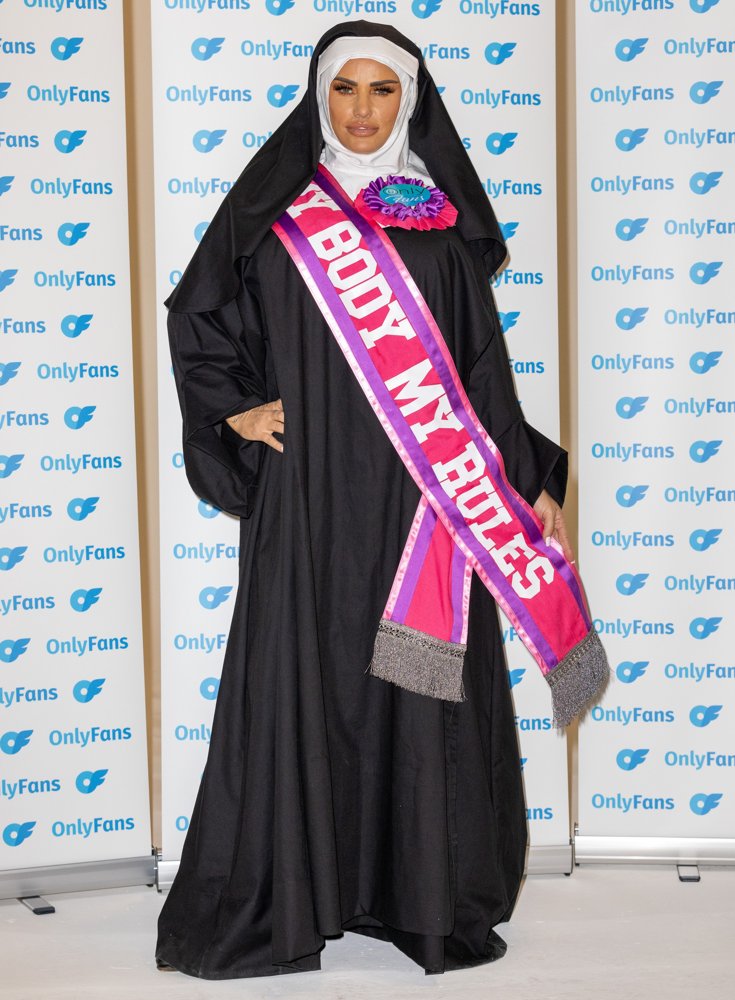
Katie Price
Katie Price Launches Only Fans Channel - Photocall
Jan 26, 2022
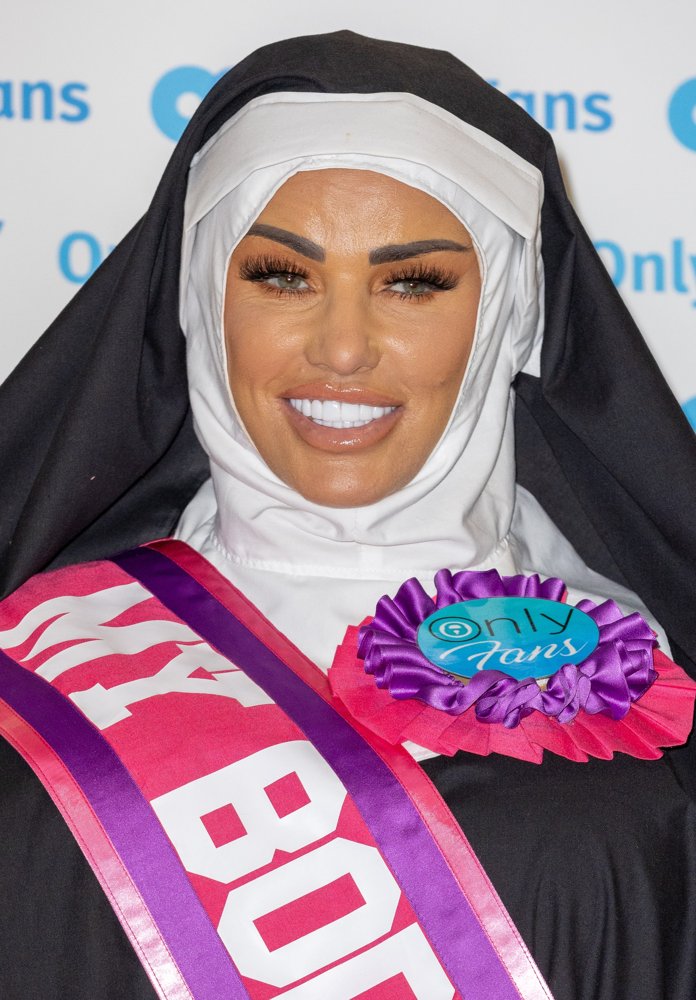
Katie Price
Katie Price Launches Only Fans Channel - Photocall
Jan 26, 2022
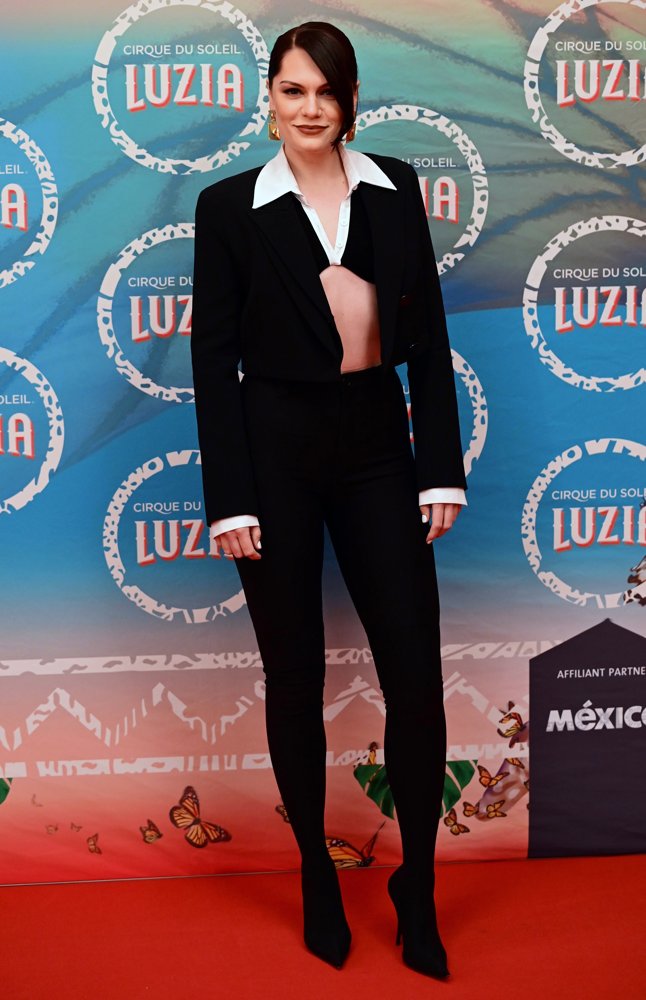
Jessie J
The Premiere of Cirque Du Soleil Luzia
Jan 13, 2022
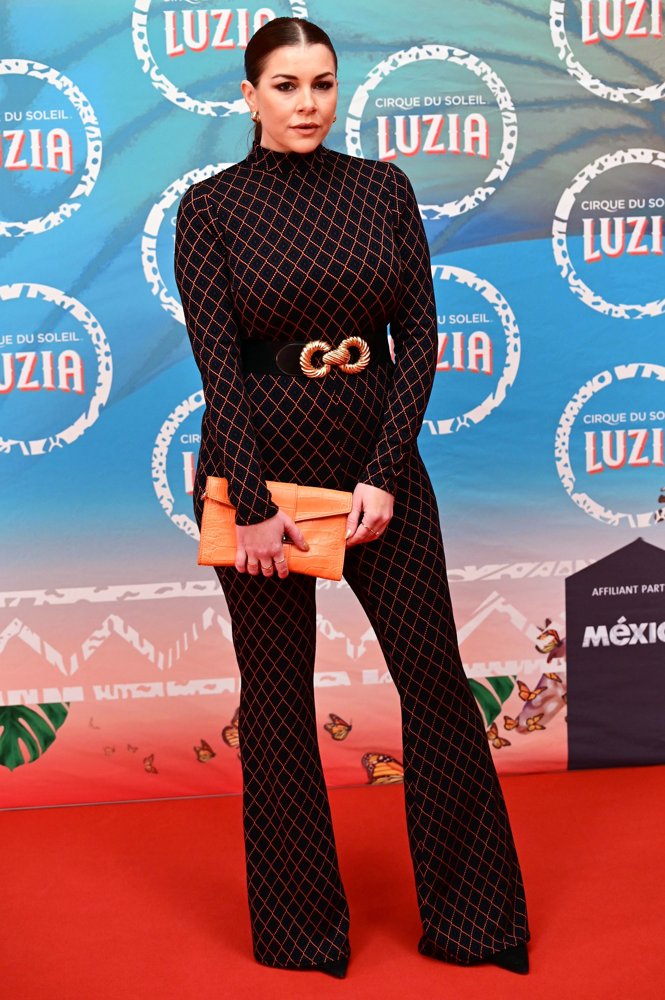
Imogen Thomas
The Premiere of Cirque Du Soleil Luzia
Jan 13, 2022

Hayley Palmer
The Premiere of Cirque Du Soleil Luzia
Jan 13, 2022
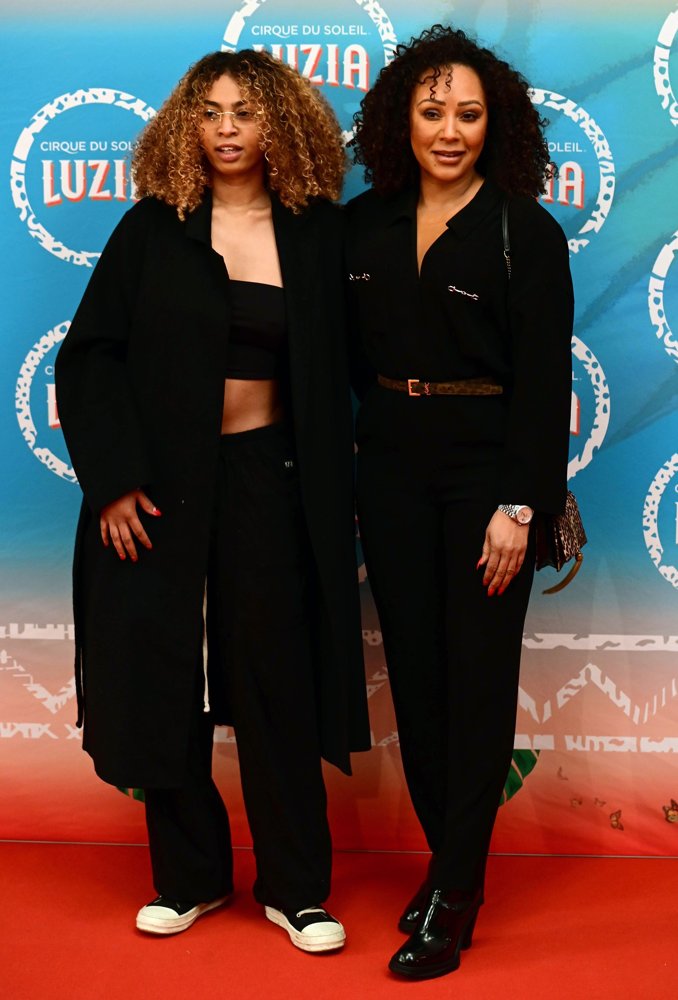
Phoenix Chi Gulzar
The Premiere of Cirque Du Soleil Luzia
Jan 13, 2022



⭐Featured Celebrities