Keith Rupert Murdoch, born on 11 March 1931 in Melbourne, Australia, stands as one of the most influential and controversial figures in modern media history. As an Australian-born American business magnate and media mogul, he has spent over seven decades building a global empire that has reshaped the landscape of news, publishing, and broadcasting. Through his company News Corp, he has controlled hundreds of outlets across the world, including The Sun and The Times in the United Kingdom, The Wall Street Journal and the New York Post in the United States, and The Australian in his native country, alongside book publisher HarperCollins and major television networks such as Fox News and Sky News Australia. With a net worth estimated at $21.7 billion in 2022, Forbes has consistently ranked him among the wealthiest individuals in the world, and his vast influence over politics and public discourse has led many to describe him as an oligarch.
Murdoch’s journey into media began in his youth, following the death of his father, Keith Murdoch, in 1952. He inherited The News, a modest Adelaide newspaper, and quickly demonstrated a keen business acumen, expanding his holdings across Australia and New Zealand throughout the 1950s and 1960s. In 1969, he made his first major international move by acquiring the News of the World in the United Kingdom, soon followed by The Sun, which he transformed into a populist tabloid powerhouse. Relocating to New York City in 1974 to penetrate the American market, he continued his aggressive expansion, purchasing The Times in 1981 and becoming a naturalized U.S. citizen in 1985 to meet legal requirements for owning American television networks. His acquisition of Twentieth Century Fox that same year marked a pivotal moment, and he later added HarperCollins in 1989 and The Wall Street Journal in 2007, cementing his status as a titan of global media.
Throughout the 1980s and 1990s, Murdoch’s empire grew exponentially, with his holding company News Corporation amassing over 800 companies in more than 50 countries by 2000. He formed the British broadcaster BSkyB in 1990, expanded into Asian networks and South American television, and embraced new electronic publishing technologies, though his consolidation of printing operations in London in 1986 sparked bitter industrial disputes. However, his career has not been without scandal. In July 2011, he faced intense scrutiny when allegations emerged that his companies, including the now-defunct News of the World, had regularly hacked the phones of celebrities, royalty, and public citizens. The ensuing investigations by British and American authorities led to his resignation as a director of News International in July 2012. In September 2023, he announced he would step down as chairman of Fox Corp. and News Corp, marking the end of an era.
Murdoch’s legacy is deeply intertwined with accusations of right-wing bias and misleading coverage aimed at supporting his business interests and political allies, with critics linking his influence to major political developments in the United Kingdom, United States, and Australia. His personal life has also drawn attention, particularly a U.S. court case in which his children—Elisabeth, Prudence, and James—challenged his bid to amend the family trust to ensure his eldest son, Lachlan, retained control of the empire. In September 2025, a settlement was reached, granting Lachlan ownership of the media empire, a resolution that secured the family’s dynastic control. Murdoch’s impact on journalism and broadcasting is undeniable, and his career remains a testament to the immense power that media ownership can wield in shaping public opinion and political landscapes.
⭐
Similar Celebrities


📷
Recent Photos
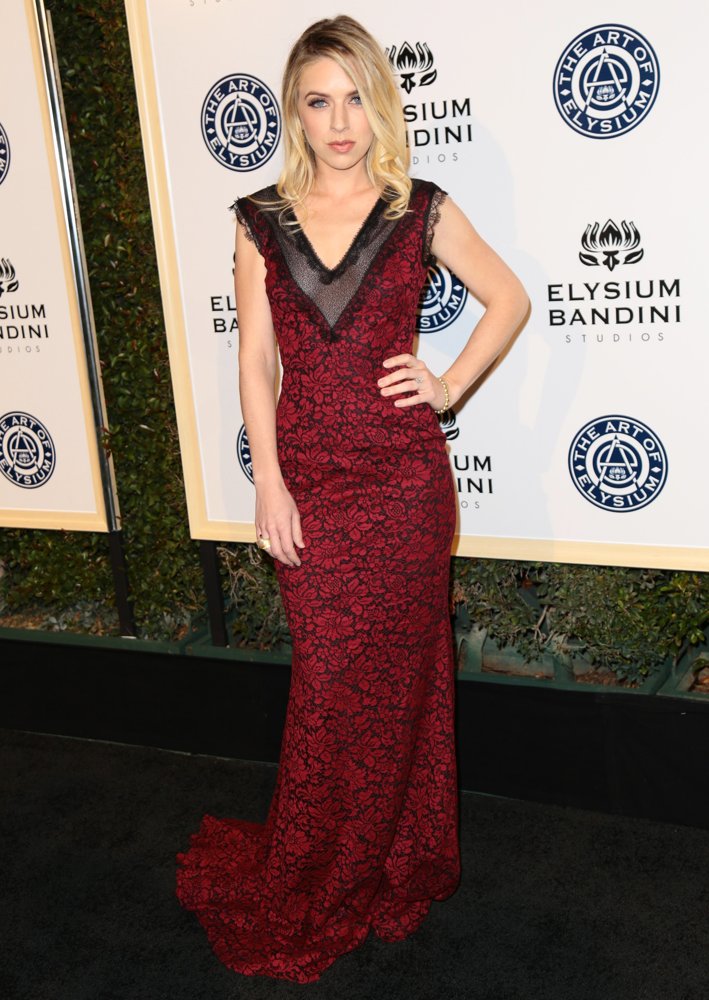
ZZ Ward
The Art of Elysium Presents Stevie Wonder's HEAVEN - Celebrating The 10th Anniversary
Jan 7, 2017
Esther Zynn
Nickelodeon's 2016 Kids' Choice Awards - Arrivals
Mar 12, 2016
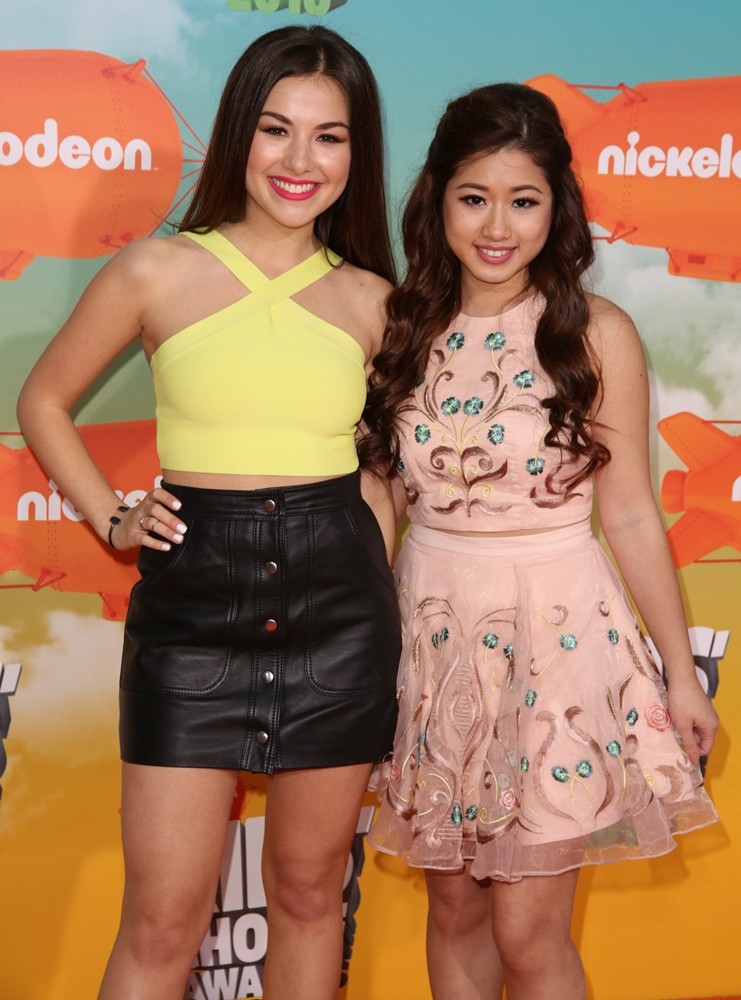
Esther Zynn
Nickelodeon's 2016 Kids' Choice Awards - Arrivals
Mar 12, 2016
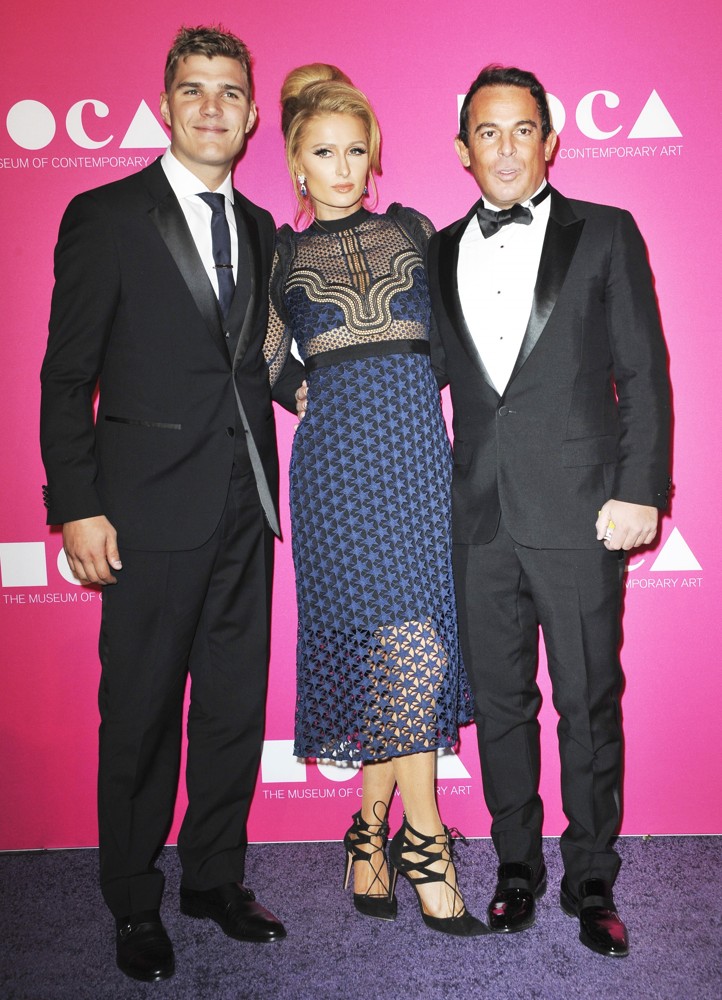
Chris Zylka
MOCA Gala 2017
Apr 29, 2017

Lucas Zwirner
21 Bridges Screening
Nov 19, 2019
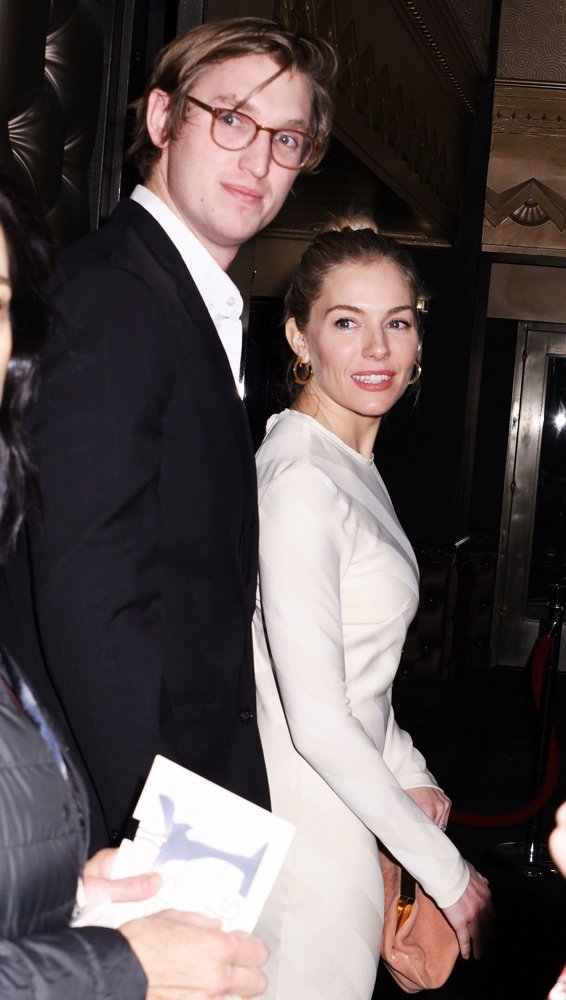
Lucas Zwirner
The 72nd Annual Writers Guild Awards
Feb 1, 2020


⭐Featured Celebrities