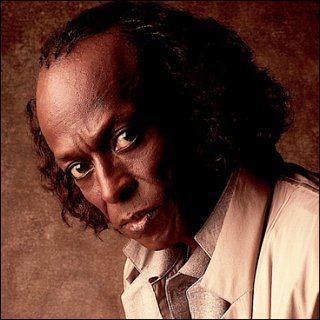
 Miles Dewey Davis III, born on May 26, 1926, in Alton, Illinois, was an iconic American jazz trumpeter, bandleader, and composer whose influence reverberated throughout the 20th century music landscape. Renowned for his innovative spirit, Davis was a pivotal figure in the evolution of jazz, consistently pushing boundaries and exploring new genres over a prolific five-decade career. His groundbreaking album, "Kind of Blue," released in 1959, remains one of the best-selling jazz albums of all time and is a cornerstone of the genre.
Raised in an upper-middle-class family in East St. Louis, Davis began playing the trumpet in his early teens, showing a prodigious talent that led him to study at the prestigious Juilliard School in New York City. However, his aspirations took a different turn when he left Juilliard to join the bebop scene, forming part of saxophonist Charlie Parker's quintet from 1944 to 1948. This experience helped him hone his craft and laid the foundation for his future innovations in jazz. Shortly after, he recorded the legendary "Birth of the Cool" sessions for Capitol Records, which played a crucial role in the development of cool jazz.
Davis's career faced significant challenges, including a battle with heroin addiction during the early 1950s. Despite these struggles, he achieved a remarkable comeback, highlighted by a celebrated performance at the Newport Jazz Festival. This resurgence led to a long-term contract with Columbia Records, where he produced "Round About Midnight" in 1955, featuring prominent musicians such as saxophonist John Coltrane and bassist Paul Chambers. This album marked the beginning of a fruitful partnership with Coltrane and set the stage for a series of landmark recordings throughout the late 1950s, including the influential "Milestones" and "Kind of Blue."
Throughout the 1960s, Davis continued to evolve, leading a series of innovative ensembles that included notable talents like bassist Ron Carter, pianist Herbie Hancock, and drummer Tony Williams. His work during this period straddled the line between orchestral jazz and more abstract forms, as seen in albums such as "E.S.P." and "Miles Smiles." As the decade progressed, he transitioned into electric jazz, experimenting with rock, funk, and emerging electronic music technology. The release of "Bitches Brew" in 1970 marked a significant moment in jazz fusion, sparking renewed interest in the genre and showcasing his willingness to challenge conventional norms.
After a five-year hiatus due to health issues, Davis returned to the music scene in the 1980s, adapting to contemporary sounds and collaborating with younger artists. Albums like "The Man with the Horn," "You're Under Arrest," and "Tutu" reflected his ability to reinvent himself while capturing the essence of modern music. Although some critics were skeptical, the 1980s solidified Davis's status as a commercial powerhouse, and he performed sold-out concerts globally.
Miles Davis passed away on September 28, 1991, leaving behind a legacy as one of the most revered jazz trumpeters and a monumental figure in the history of music. His contributions to the genre were recognized posthumously when he was inducted into the Rock and Roll Hall of Fame in 2006, solidifying his position as an innovative and influential musician. As described by Rolling Stone, he is "the most revered jazz trumpeter of all time," and his impact on music continues to resonate, inspiring generations of musicians and fans alike.
⭐
Similar Celebrities
📷
Recent Photos
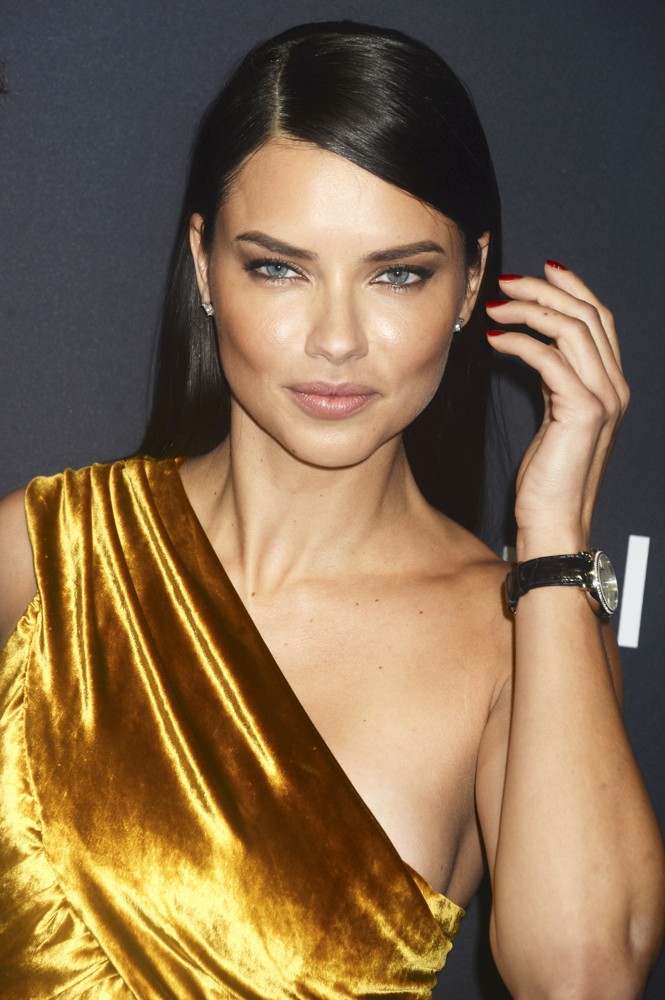
Adriana Lima
2017 Tribeca Film Festival - For The Love of Cinema Gala Dinner - Arrivals
Apr 20, 2017

Adriana Lima
2017 Tribeca Film Festival - For The Love of Cinema Gala Dinner - Arrivals
Apr 20, 2017
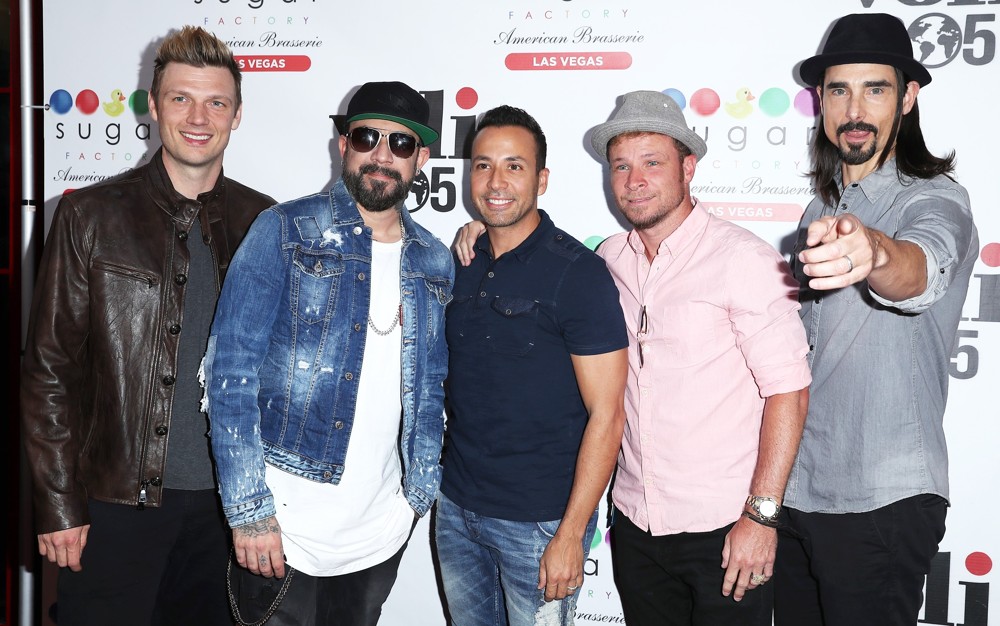
Backstreet Boys
The Grand Opening Celebration of Sugar Factory American Brasserie
Apr 20, 2017
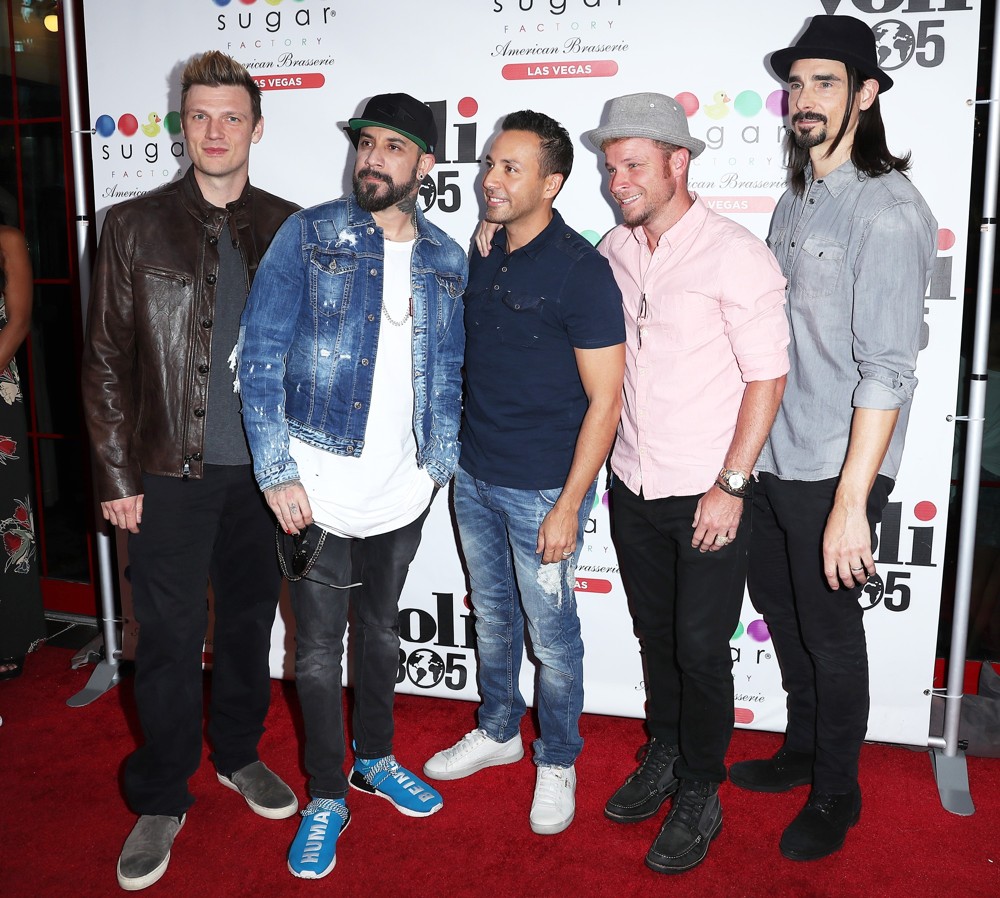
Backstreet Boys
The Grand Opening Celebration of Sugar Factory American Brasserie
Apr 20, 2017
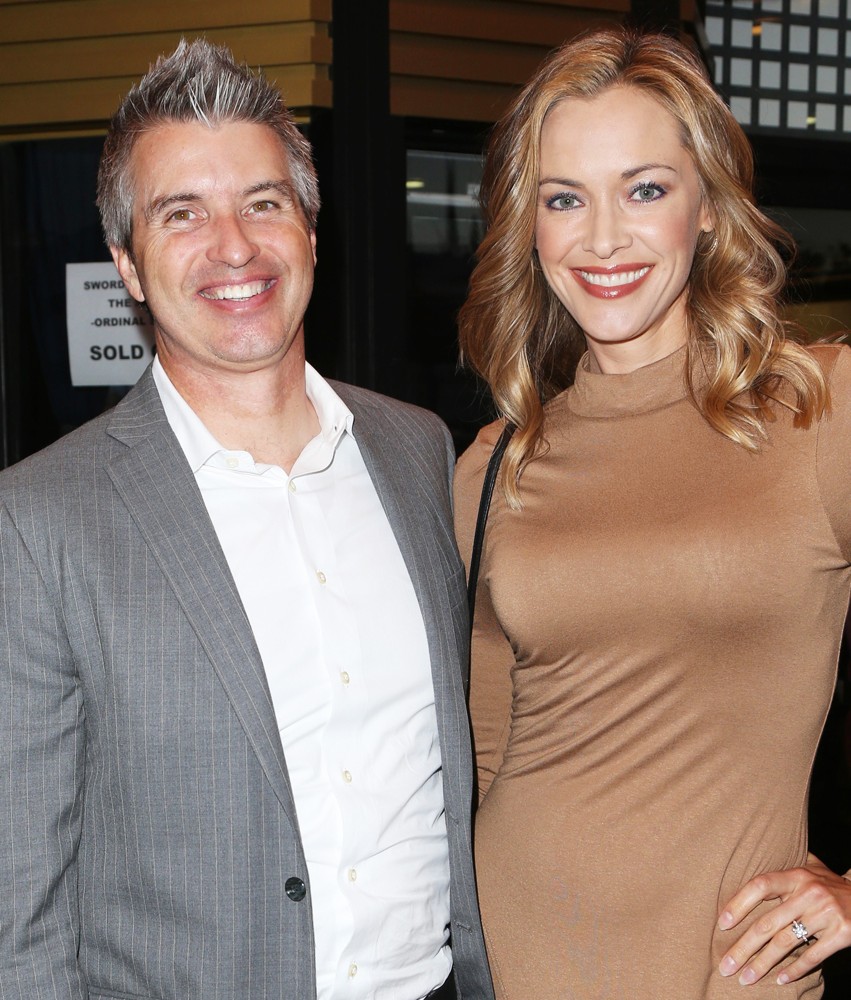
Jonathan Bates
2017 Artemis Women in Action Film Festival - Opening Night Gala
Apr 20, 2017

Jonathan Bates
2017 Artemis Women in Action Film Festival - Opening Night Gala
Apr 20, 2017




⭐Featured Celebrities