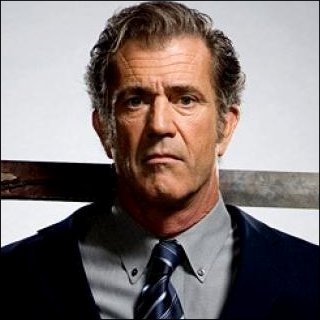
 Mel Gibson is an American actor and filmmaker, renowned for his dynamic roles in both action films and historical dramas. He gained prominence as a leading man in Hollywood, particularly noted for his portrayal of Max Rockatansky in the iconic post-apocalyptic series Mad Max (1979-1985) and as Martin Riggs in the beloved buddy cop series Lethal Weapon (1987-1998). With a career spanning several decades, Gibson has received numerous accolades, including Academy Awards, Golden Globes, and recognition as a versatile talent both in front of and behind the camera.
Born Mel Columcille Gerard Gibson on January 3, 1956, in Peekskill, New York, he moved with his family to Sydney, Australia, at the age of 12. Growing up in a large Irish Catholic family, Gibson’s father, Hutton Gibson, was a writer and his mother, Ann Reilly, was a homemaker. Mel's passion for acting led him to study at the National Institute of Dramatic Art, where he honed his craft and starred alongside Judy Davis in a production of "Romeo and Juliet." His early career saw him gain recognition in Australia, particularly after his role in the World War I drama Gallipoli (1981), directed by Peter Weir, which earned him a Best Actor Award from the Australian Film Institute.
During the 1980s, Gibson's star continued to rise with the success of the Mad Max series, which positioned him as a leading action star. In 1995, he reached new heights as a filmmaker with Braveheart, a historical epic that he produced, directed, and starred in. The film was a monumental success, earning him the Academy Award for Best Director and Best Picture, along with a Golden Globe Award for Best Director. Gibson’s ability to blend action with compelling storytelling helped to redefine the genre and solidified his reputation in Hollywood.
Continuing to explore diverse roles, Gibson directed and produced the controversial biblical drama The Passion of the Christ (2004), which garnered significant attention for its intense portrayal of the final hours of Jesus Christ. He also directed the action-adventure film Apocalypto (2006), which showcased his knack for historical narratives. Meanwhile, he had notable acting roles in films such as Ransom (1996), Payback (1999), What Women Want (2000), The Patriot (2000), and Signs (2002), further establishing his versatility.
However, Gibson's career faced challenges in the late 2000s due to personal controversies and legal issues, which led to a decline in his popularity in Hollywood. Despite this, he made a return to acting with roles in Edge of Darkness (2010) and The Beaver (2011), directed by Jodie Foster. His significant comeback as a director came with Hacksaw Ridge (2016), a World War II drama that received critical acclaim and won two Academy Awards, reaffirming his status as a talented filmmaker.
Throughout his career, Mel Gibson has been a polarizing figure, praised for his artistic contributions while also facing scrutiny for personal conduct. As of now, he continues to work in the entertainment industry, remaining a notable and influential presence in Hollywood, with a legacy that includes both celebrated films and a complex personal narrative.

📷
Recent Photos

ZZ Ward
The Art of Elysium Presents Stevie Wonder's HEAVEN - Celebrating The 10th Anniversary
Jan 7, 2017

Esther Zynn
Nickelodeon's 2016 Kids' Choice Awards - Arrivals
Mar 12, 2016

Esther Zynn
Nickelodeon's 2016 Kids' Choice Awards - Arrivals
Mar 12, 2016
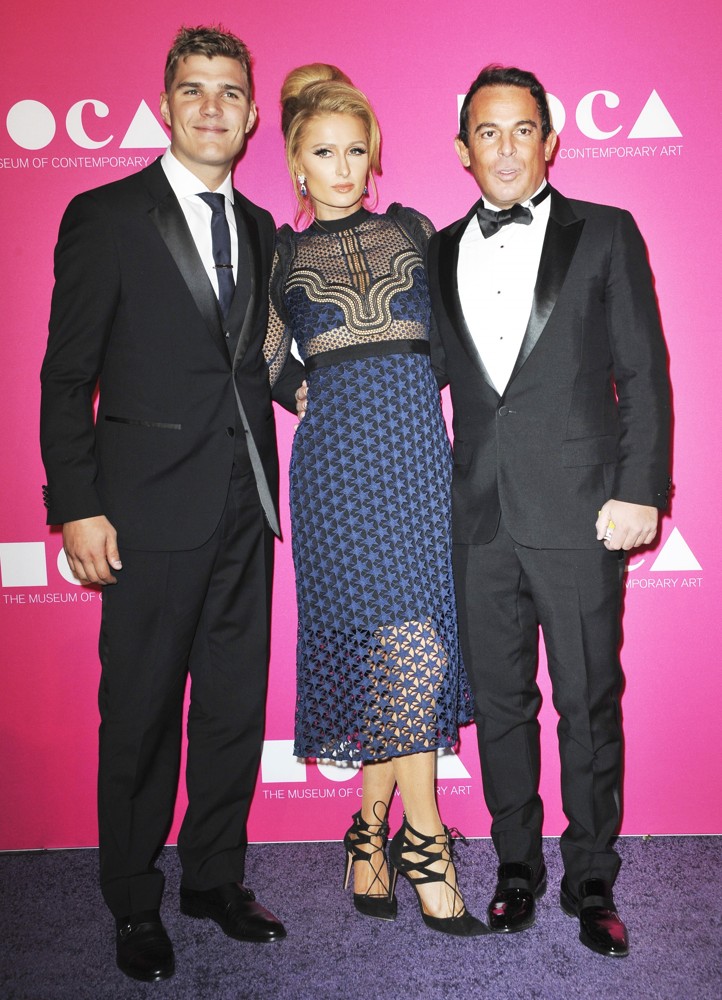
Chris Zylka
MOCA Gala 2017
Apr 29, 2017

Lucas Zwirner
21 Bridges Screening
Nov 19, 2019

Lucas Zwirner
The 72nd Annual Writers Guild Awards
Feb 1, 2020



⭐Featured Celebrities