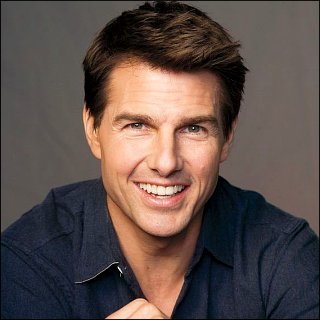
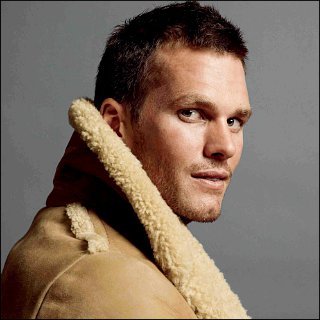
John Richard Deacon, born on 19 August 1951, stands as one of the most distinctive and influential bass guitarists in rock history, best known as the quiet foundation of the legendary band Queen. Growing up in Oadby, Leicestershire, Deacon developed an early passion for music, playing bass in a local band called The Opposition before pursuing electronics studies at Chelsea College in London. This unique blend of musical talent and technical acumen would prove to be his signature contribution to Queen, as he joined the band in 1971 not only for his instrumental skills but also for his ability to build and modify equipment, most notably creating the homemade Deacy Amp that allowed guitarist Brian May to craft his signature layered guitar orchestras throughout the group's storied career.
From the release of their third album, Sheer Heart Attack, Deacon began contributing original compositions to every Queen album, demonstrating a remarkable songwriting versatility that belied his reserved stage presence. His songs became some of the band's most enduring hits, including the heartfelt love ballad "You're My Best Friend," the funk-infused global smash "Another One Bites the Dust," and the anthemic "I Want to Break Free." Beyond his work as a primary songwriter, Deacon also co-wrote several iconic tracks with his bandmates, including the groundbreaking "Under Pressure" with Freddie Mercury, as well as "Friends Will Be Friends" and "One Vision" with Brian May and Roger Taylor. His studio contributions extended far beyond bass guitar, as he frequently played guitar, keyboards, and piano on Queen's recordings, showcasing his multi-instrumentalist abilities.
The tragic death of Freddie Mercury in 1991 marked a profound turning point in Deacon's life and career. Following the emotional Tribute Concert in 1992, he participated in only sporadic performances with the remaining members of Queen, and by 1997, after recording "No-One but You (Only the Good Die Young)," he made the decision to retire from the music industry entirely. Unlike his former bandmates Brian May and Roger Taylor, who continued to perform and record under the Queen banner, Deacon has steadfastly declined to participate in any subsequent projects, choosing instead to remain involved solely in the financial and business aspects of the band. His legacy, however, has been formally recognized through his induction into the Rock and Roll Hall of Fame as a member of Queen in 2001, followed by his induction into the Songwriters Hall of Fame in 2003, cementing his status as a crucial architect of one of rock music's most celebrated catalogs.
⭐
Similar Celebrities

📷
Recent Photos
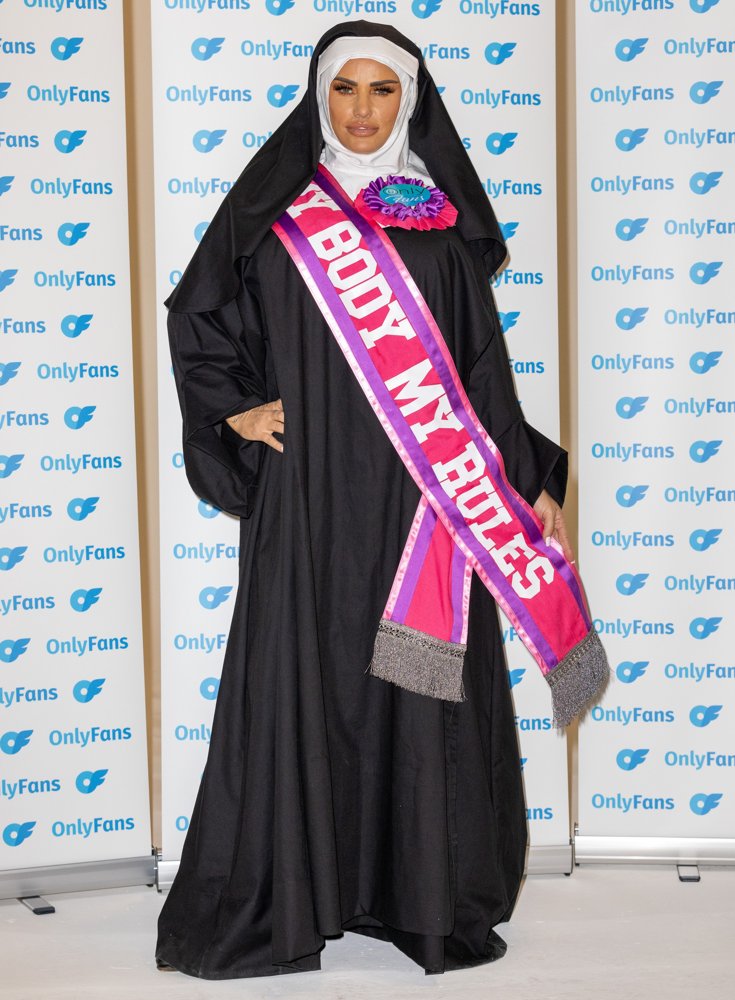
Katie Price
Katie Price Launches Only Fans Channel - Photocall
Jan 26, 2022
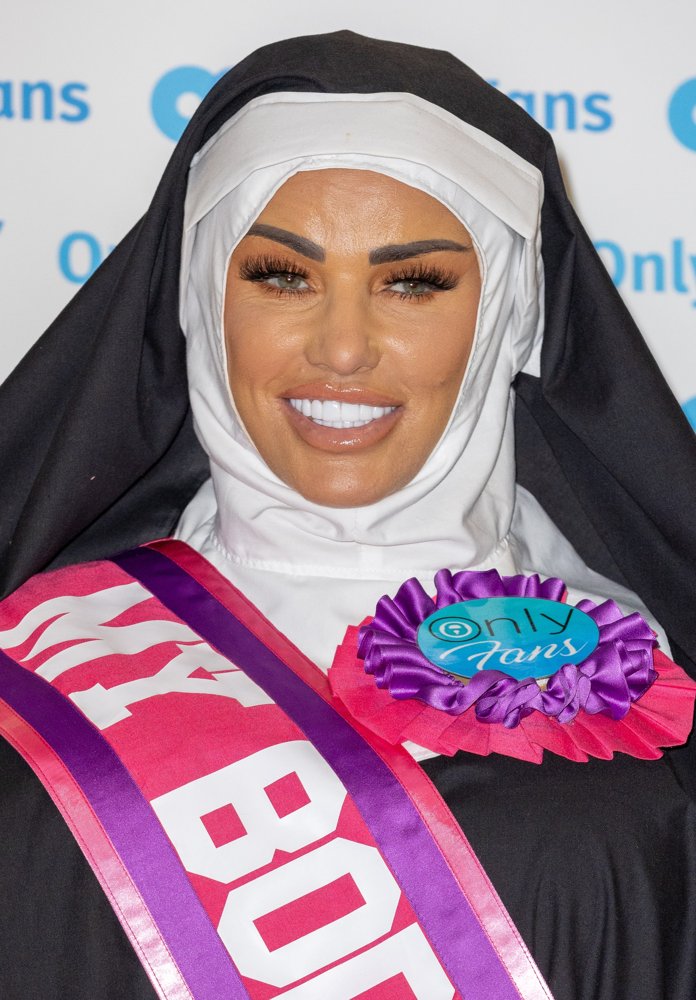
Katie Price
Katie Price Launches Only Fans Channel - Photocall
Jan 26, 2022
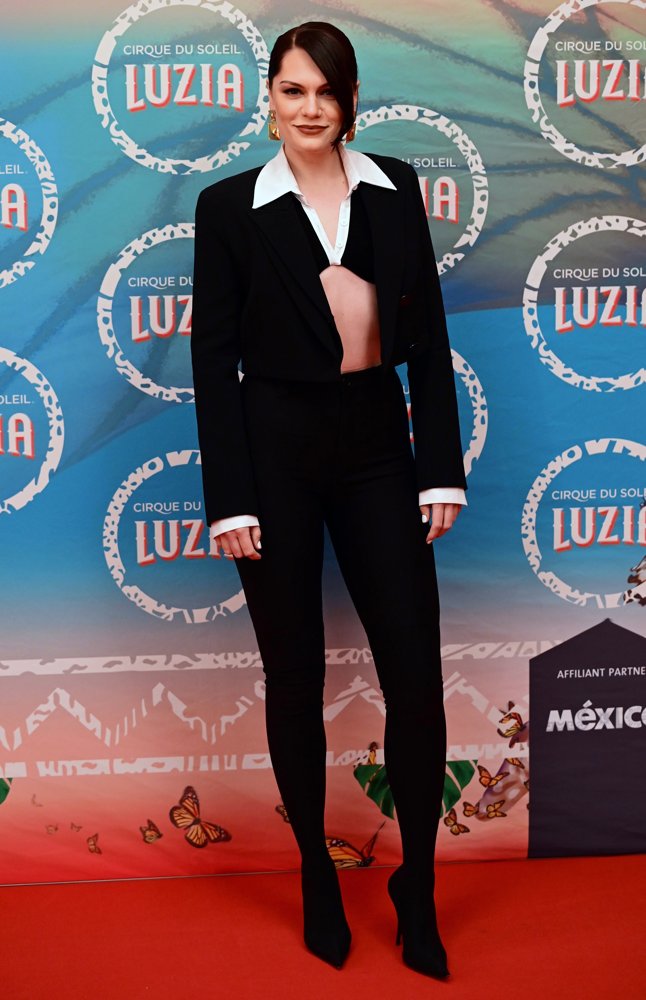
Jessie J
The Premiere of Cirque Du Soleil Luzia
Jan 13, 2022
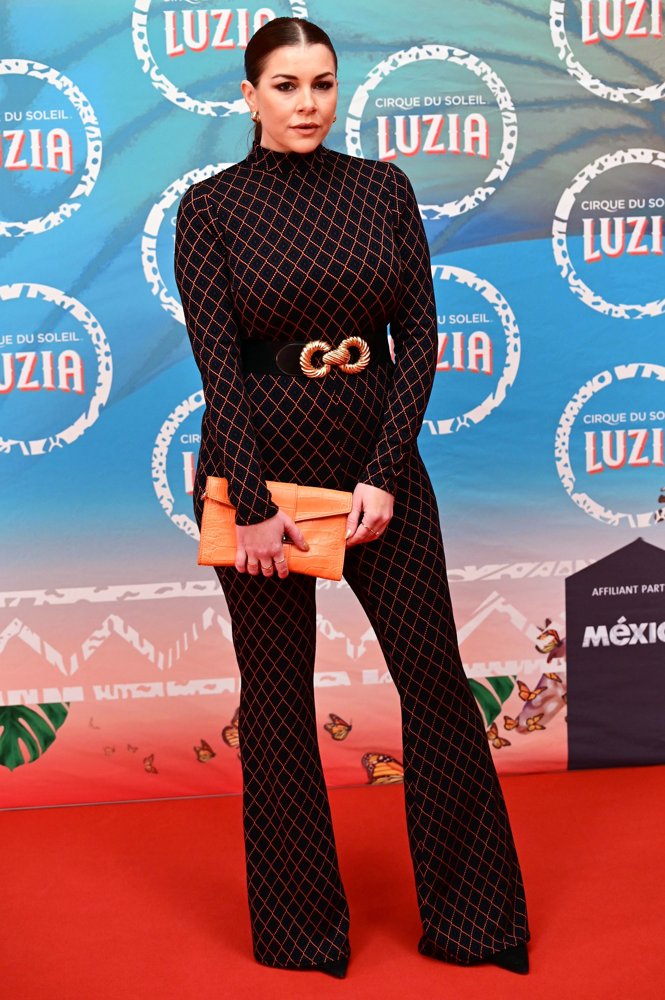
Imogen Thomas
The Premiere of Cirque Du Soleil Luzia
Jan 13, 2022
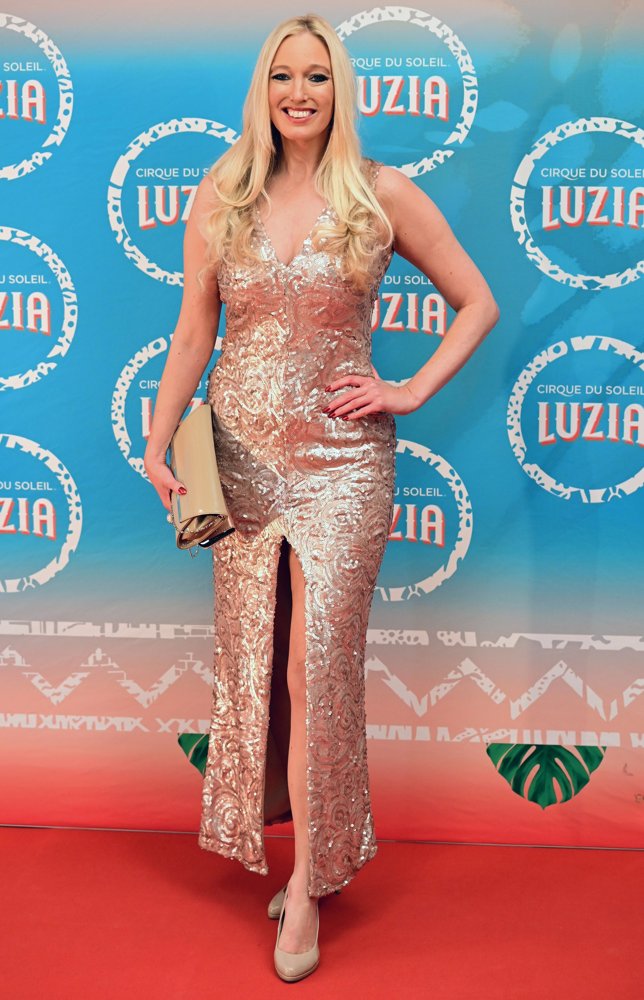
Hayley Palmer
The Premiere of Cirque Du Soleil Luzia
Jan 13, 2022
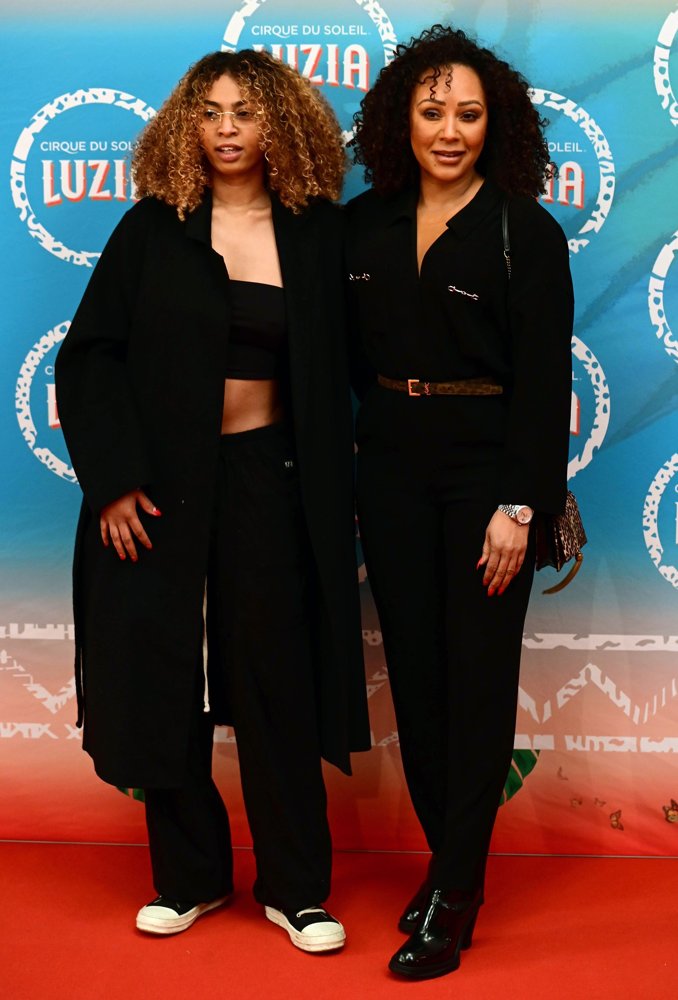
Phoenix Chi Gulzar
The Premiere of Cirque Du Soleil Luzia
Jan 13, 2022



⭐Featured Celebrities