Joan Chandos Baez, born January 9, 1941, in Staten Island, New York, stands as one of the most iconic and influential figures in American folk music and social activism. With a career spanning over six decades and more than thirty albums, Baez's crystalline soprano voice and unwavering commitment to nonviolence, civil rights, and human rights have cemented her legacy as both a musical pioneer and a moral compass for generations. She is generally regarded as a folk singer, yet her artistry has gracefully diversified since the counterculture era of the 1960s to encompass folk rock, pop, country, and gospel, demonstrating a remarkable versatility that has kept her work relevant across changing musical landscapes.
Baez's recording career began in 1960 with immediate success, as her first three albums—Joan Baez, Joan Baez, Vol. 2, and Joan Baez in Concert—all achieved gold record status, a remarkable feat for a young artist in the nascent folk revival. While she is a songwriter herself, Baez has primarily distinguished herself as an unparalleled interpreter of others' work, having recorded traditional songs and compositions by a diverse array of artists including the Allman Brothers Band, the Beatles, Jackson Browne, Leonard Cohen, Woody Guthrie, the Rolling Stones, Pete Seeger, Paul Simon, Stevie Wonder, and Bob Marley. Perhaps her most significant early contribution was being one of the first major artists to record the songs of Bob Dylan in the early 1960s; already an internationally celebrated figure, Baez did much to popularize his early songwriting efforts, and their tumultuous romantic and professional relationship would later become the subject of songs by both artists, fueling public fascination for years.
Her discography is rich with memorable recordings, including the self-penned classic "Diamonds & Rust," as well as acclaimed covers of Phil Ochs's "There but for Fortune" and the Band's "The Night They Drove Old Dixie Down." Other notable tracks in her repertoire include "Farewell, Angelina," "Love Is Just a Four-Letter Word," "Forever Young," "Here's to You," "Joe Hill," "Sweet Sir Galahad," and the civil rights anthem "We Shall Overcome." Baez's live performances were legendary, most notably her set of fourteen songs at the 1969 Woodstock Festival, which solidified her status as a defining voice of her generation. Throughout her life, she has paired her musical output with deep political engagement, using her platform to advocate for nonviolence, civil rights, human rights, and environmental causes, from the marches of the 1960s to contemporary struggles for justice.
In her later years, Baez has continued to find new creative avenues, successfully interpreting the work of more recent songwriters such as Ryan Adams, Josh Ritter, Steve Earle, Natalie Merchant, and Joe Henry, proving her enduring relevance and taste. Her monumental contributions to music and culture were formally recognized on April 7, 2017, when she was inducted into the Rock and Roll Hall of Fame. Today, Joan Baez remains a revered elder stateswoman of folk music, her voice and activism continuing to inspire artists and audiences worldwide, a testament to the power of art to enact social change and the enduring strength of a life lived with conviction.
⭐
Similar Celebrities

📷
Recent Photos
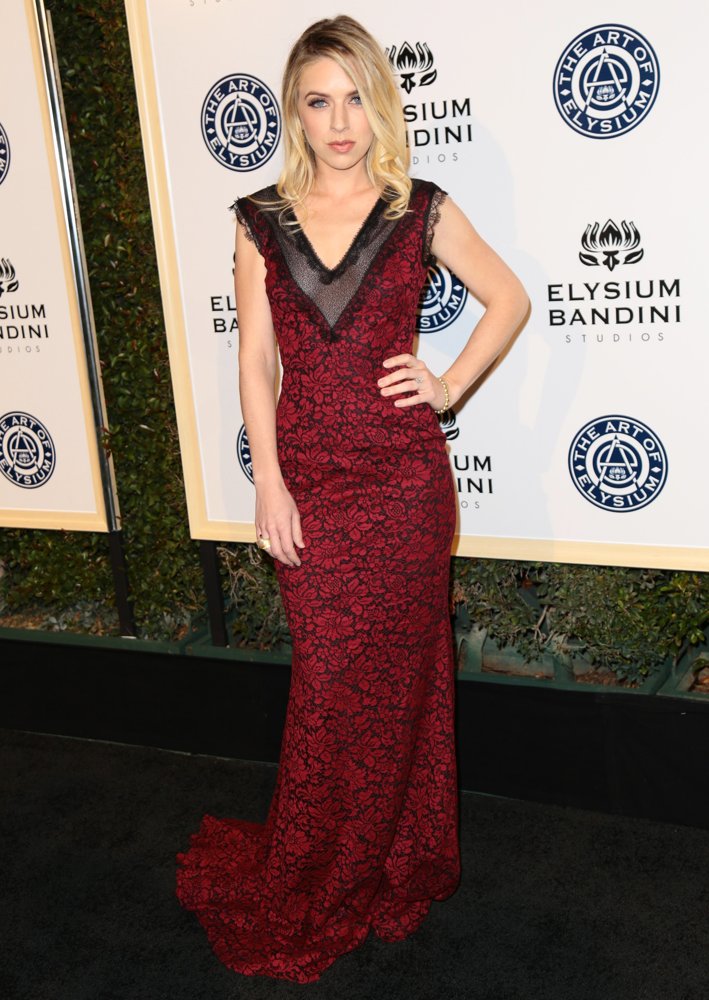
ZZ Ward
The Art of Elysium Presents Stevie Wonder's HEAVEN - Celebrating The 10th Anniversary
Jan 7, 2017
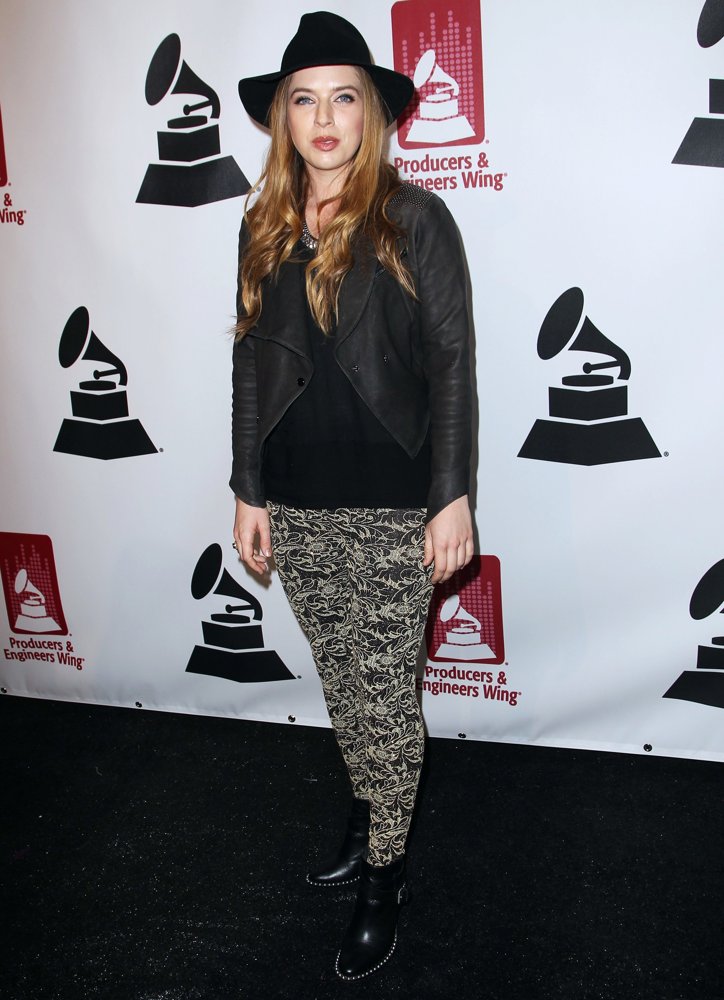
ZZ Ward
56th GRAMMY Awards - P and E Wing Event Honoring Neil Young
Jan 21, 2014
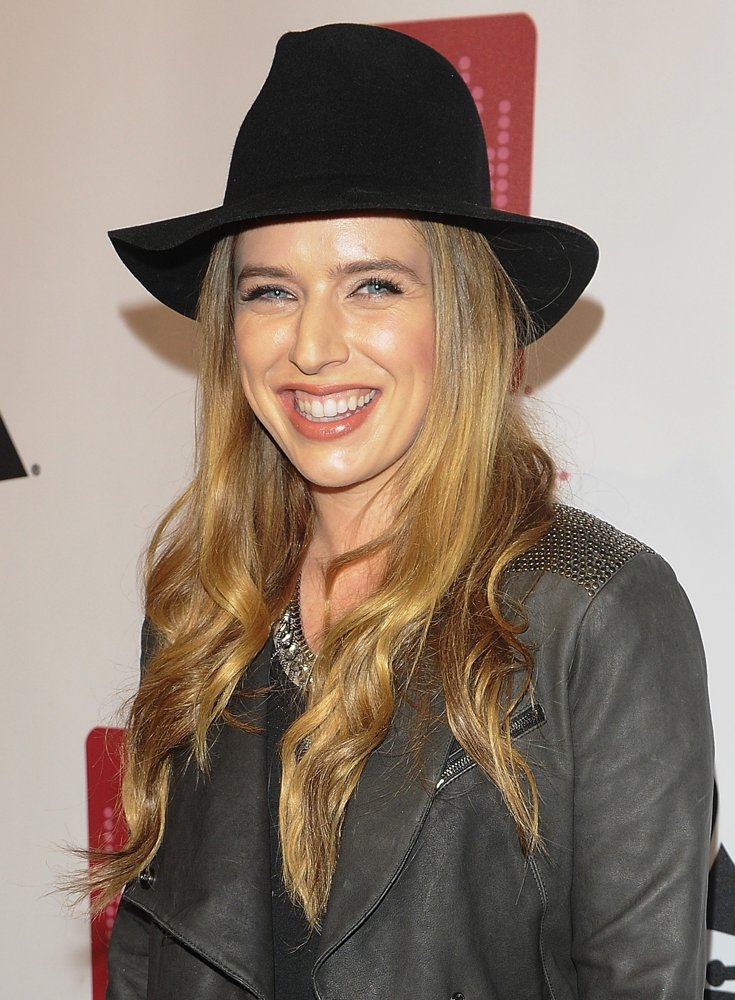
ZZ Ward
56th GRAMMY Awards - P and E Wing Event Honoring Neil Young
Jan 21, 2014
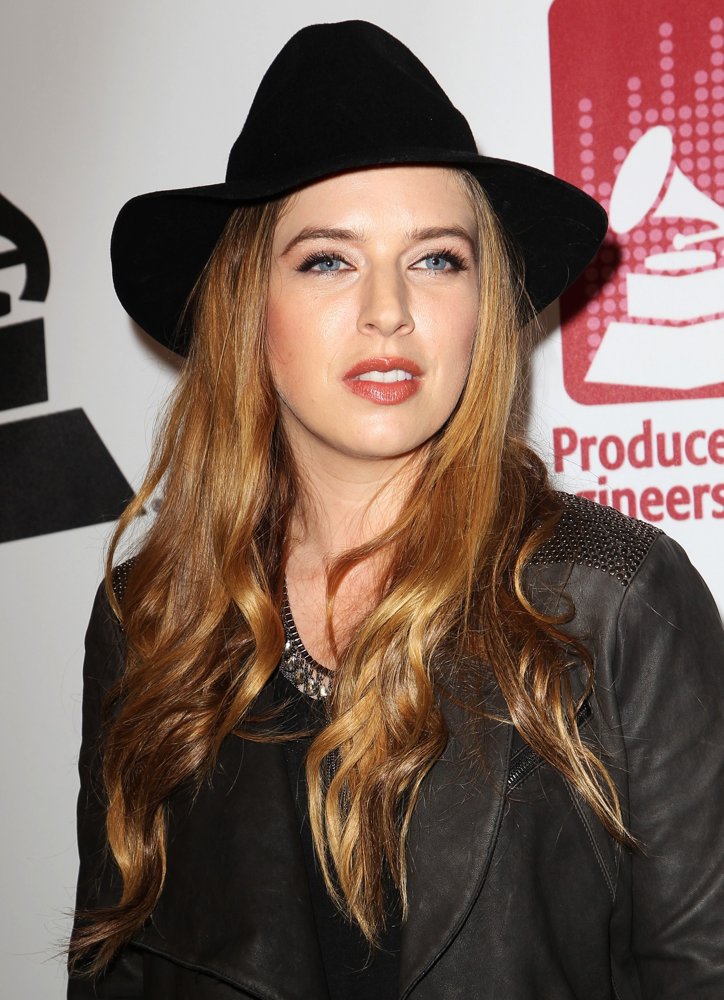
ZZ Ward
56th GRAMMY Awards - P and E Wing Event Honoring Neil Young
Jan 21, 2014
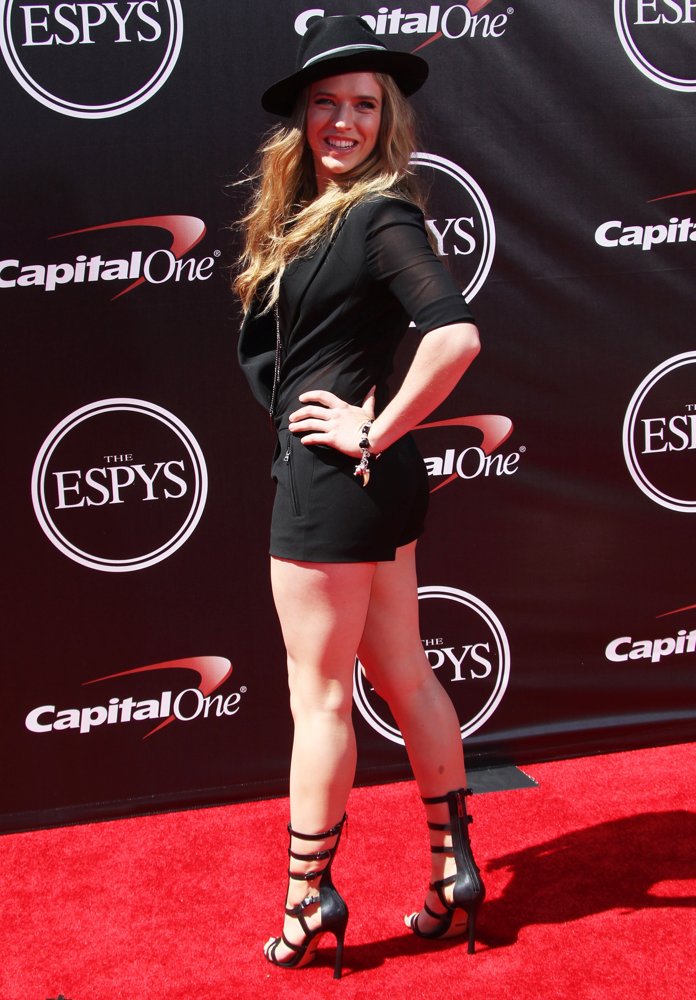
ZZ Ward
2014 ESPYS Awards - Arrivals
Jul 16, 2014
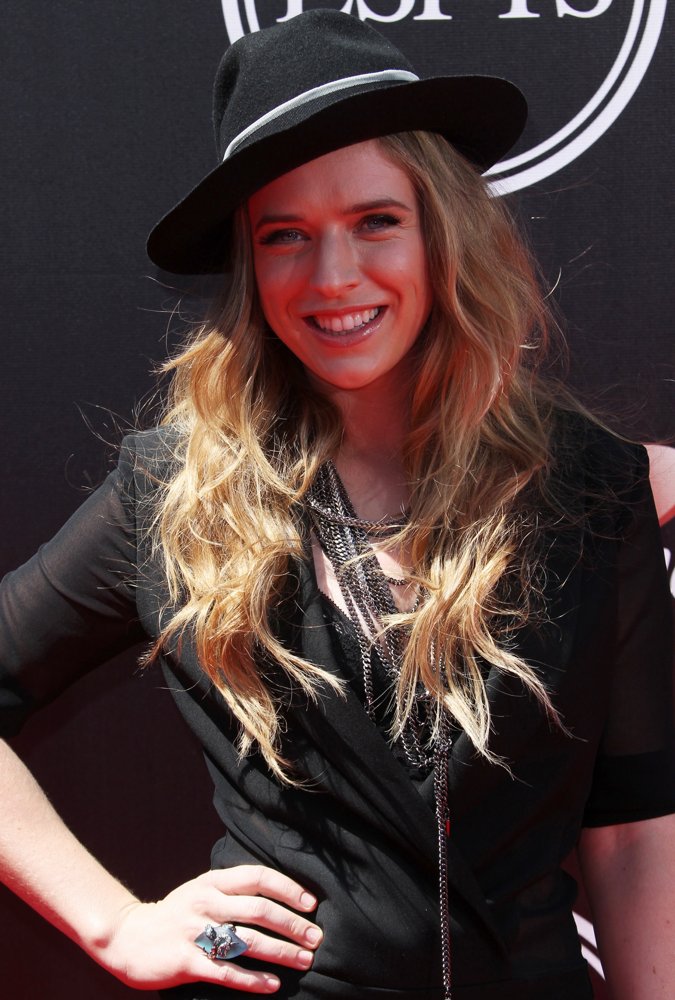
ZZ Ward
2014 ESPYS Awards - Arrivals
Jul 16, 2014


⭐Featured Celebrities