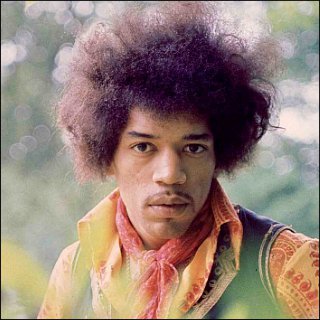
 James Marshall "Jimi" Hendrix, born on November 27, 1942, in Seattle, Washington, was an American guitarist, singer, songwriter, and music producer who left an indelible mark on the world of rock music. He is widely regarded as one of the greatest and most influential guitarists of all time. With a unique blend of blues, rock, and psychedelic sounds, Hendrix's work transcended genres and defined an era, making him a cultural icon. His groundbreaking song "Purple Haze," released in 1966, became a hallmark of his career and solidified his status as a key figure in the music industry.
Hendrix's early life was marked by a turbulent family background; his father, Al Hendrix, and mother, Lucille Jeter, faced challenges that shaped his upbringing. He began playing the guitar at the age of 15, developing a passion that would lead him to enlist in the U.S. Army in 1961. However, his military service was short-lived, and he was discharged a year later. In the years that followed, Hendrix honed his skills while performing in various bands, including the Isley Brothers and Little Richard. His dedication and talent eventually led him to the Chitlin' Circuit, where he earned a reputation as a skilled performer.
In late 1966, Hendrix moved to England, where he was introduced to bassist Chas Chandler of the Animals, who became his manager and helped him establish the Jimi Hendrix Experience. This groundbreaking band quickly rose to fame in the UK, producing a string of hits including "Hey Joe," "Purple Haze," and "The Wind Cries Mary." Hendrix’s performance at the Monterey Pop Festival in 1967 was pivotal in propelling him to international fame, showcasing his electrifying stage presence and innovative guitar techniques.
Hendrix's third studio album, Electric Ladyland, released in 1968, became his most commercially successful work and his only number one album on the U.S. Billboard 200 chart. Renowned for its experimental sound and production, the album featured tracks that highlighted his mastery of guitar effects and studio techniques. As the world's highest-paid rock musician, Hendrix headlined major festivals such as the Woodstock Festival in 1969 and the Isle of Wight Festival in 1970, further cementing his legacy in music history.
Despite his immense success, Hendrix's life was tragically cut short when he died on September 18, 1970, in London, due to barbiturate-related asphyxia at the age of 27. His death marked the end of a brief but explosive career that had a profound impact on rock music and popular culture. Hendrix's innovative approach to the electric guitar, characterized by his use of overdriven amplifiers, feedback, and tone-altering effects, revolutionized the way the instrument was perceived and played. His contributions to music were recognized when he was posthumously inducted into the Rock and Roll Hall of Fame in 1992, where he was hailed as "arguably the greatest instrumentalist in the history of rock music."
Today, Jimi Hendrix remains a symbol of artistic innovation and creative expression, inspiring countless musicians across generations. His music continues to resonate, ensuring that his legacy endures as one of the defining figures in the history of rock.
⭐
Similar Celebrities




📷
Recent Photos

Donald Trump
Corona Virus Press Conference
Mar 17, 2020

Donald Trump
Corona Virus Press Conference
Mar 17, 2020

Boris Johnson
British Prime Minister Boris Johnson Departs for PMQs
Mar 18, 2020

Donald Trump
President Trump Meets with Nurses on COVID-19 Response
Mar 18, 2020

Donald Trump
President Trump Meets with Nurses on COVID-19 Response
Mar 18, 2020

Donald Trump
President Donald Trump at Daily Briefing on Coronavirus Pandemic
Mar 23, 2020





⭐Featured Celebrities