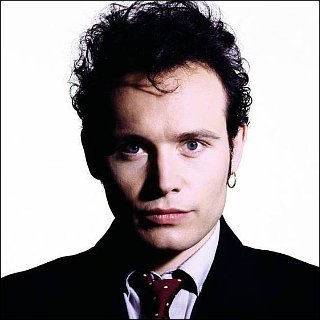
Hisayasu Sato emerged as a significant and controversial figure in Japanese cinema, known primarily for his prolific output within the pink film genre during the latter decades of the 20th century. Operating under the pseudonym Hisayasu Sato, his work was characterized by a distinctive, often transgressive style that blended explicit sexual content with dark psychological themes, social critique, and a stark visual aesthetic, setting him apart from more conventional adult filmmakers and earning him a cult following.
Beginning his career in the 1980s, Sato quickly became a prominent director for the studio Kokuei, a major force in the pinku eiga industry. His early films, while adhering to the genre's requirements for sex and nudity, displayed an immediate interest in pushing boundaries. He frequently explored themes of obsession, alienation, and the darker corners of human desire, often framing his narratives within critiques of societal structures and familial dysfunction. This approach garnered attention from international film festivals and critics who saw in his work a provocative and uncompromising artistic vision.
His filmography includes several titles that are considered landmarks of his particular style. Works such as "Lolita: Vibrator Torture" (1987), "The Bedroom" (1992), and "Muscle" (1989) exemplified his ability to infuse genre constraints with a palpable sense of dread and psychological complexity. His 1995 film "The Wasteland" is often cited as a particularly potent example of his bleak worldview. Sato's direction was noted for its clinical, sometimes detached camera work, which contrasted sharply with the intense emotional and physical turmoil depicted on screen, creating a uniquely unsettling experience.
Despite his niche notoriety, Sato's career was not without significant professional hurdles. In 1998, he was arrested and convicted on obscenity charges related to the distribution of his films, a case that highlighted the ongoing legal tensions surrounding adult cinema in Japan. This event marked a turning point, after which his directorial output decreased considerably. Hisayasu Sato's legacy remains that of a polarizing auteur who operated at the extreme edges of filmmaking, challenging both the conventions of his chosen genre and the sensibilities of his audience, leaving behind a body of work that continues to be studied and debated for its unflinching and provocative nature.