Henry Louis Aaron, known to the world as "Hammerin' Hank," stands as one of the most enduring and significant figures in the history of American sports. Born on February 5, 1934, in Mobile, Alabama, Aaron's journey from the segregated South to the pinnacle of Major League Baseball was defined by an unprecedented combination of power, consistency, and grace under immense pressure. Over a 23-season career from 1954 through 1976, he not only shattered the most hallowed record in sports—Babe Ruth's career home run mark—but also established a legacy of statistical excellence that remains largely unmatched. His death on January 22, 2021, at the age of 86, prompted a global outpouring of respect for a man who was as revered for his quiet dignity as for his ferocious swing.
Aaron's rise to prominence began in his hometown, where he was one of eight children. His early talent was evident in the Negro American League, where he played briefly before entering the minor league system. He made his major league debut in 1954 with the Milwaukee Braves, and by 1957, he had cemented his status as a superstar by winning the National League MVP Award and leading the Braves to a World Series championship. His athleticism was often understated; he was a three-time Gold Glove winner in right field and possessed a unique batting style that generated immense power with remarkable consistency. From 1955 through 1973, he hit at least 24 home runs every season, a streak of durability and production that is almost inconceivable in the modern era. He was an All-Star for 25 seasons, a record that speaks to his longevity, and he amassed staggering career totals, including 3,771 hits, 2,297 runs batted in, and 6,856 total bases—all records or near-records that define the upper echelon of baseball history.
The defining chapter of Aaron's career unfolded in the early 1970s as he closed in on Ruth's seemingly untouchable record of 714 home runs. The pursuit was a crucible, as Aaron and his family faced a torrent of racist threats and hate mail, a dark reflection of the era's social tensions. He endured this hostility with stoic resolve, and on April 8, 1974, at Atlanta-Fulton County Stadium, he hit his 715th home run off Al Downing, eclipsing the Babe's mark. He would finish his career with 755 home runs, a record that stood for 33 years until Barry Bonds surpassed it in 2007. After his playing days, Aaron transitioned into front office roles with the Atlanta Braves, eventually becoming a senior vice president, and he remained a prominent and respected voice on matters of race and civil rights, fueled by his own experiences during the movement.
Aaron's post-playing legacy is one of monumental recognition. He was inducted into the National Baseball Hall of Fame in 1982 in his first year of eligibility, and in 1999, MLB created the Hank Aaron Award to honor the top offensive player in each league. That same year, he was named to the Major League Baseball All-Century Team, and in 2002, he received the Presidential Medal of Freedom, the nation's highest civilian honor. His statistical brilliance—he is one of only two players, alongside Alex Rodriguez, to hit 30 or more home runs in at least 15 seasons—is only part of his story. Hank Aaron’s true greatness lay in his ability to transcend the game, turning personal adversity into a platform for progress and setting a standard for excellence, integrity, and perseverance that will forever define the sport.
⭐
Similar Celebrities

📷
Recent Photos
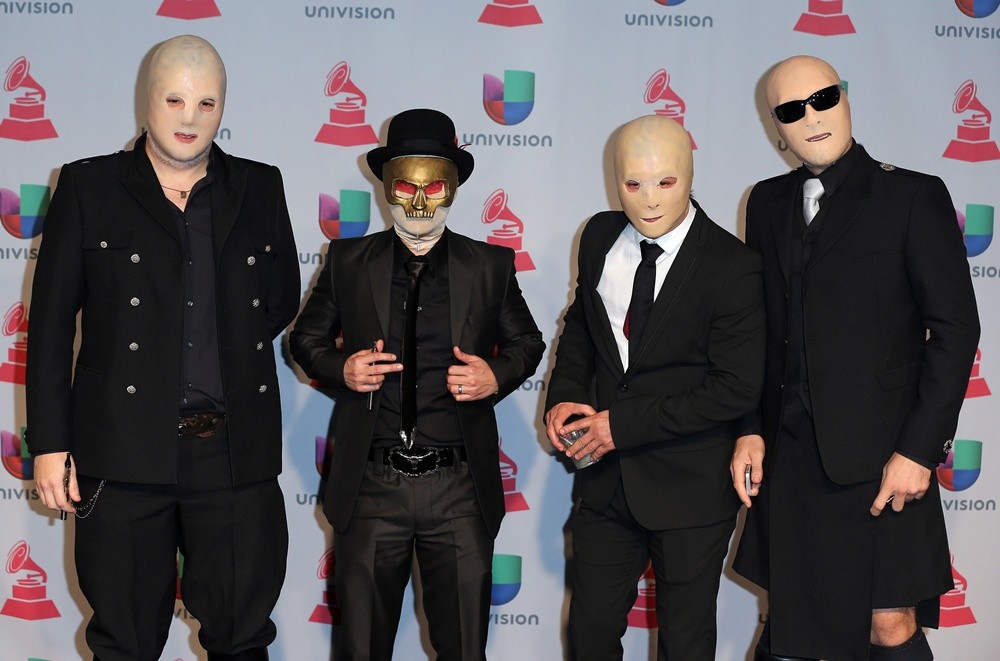
A Band of Bitches
The Latin Grammys 2013
Nov 21, 2013
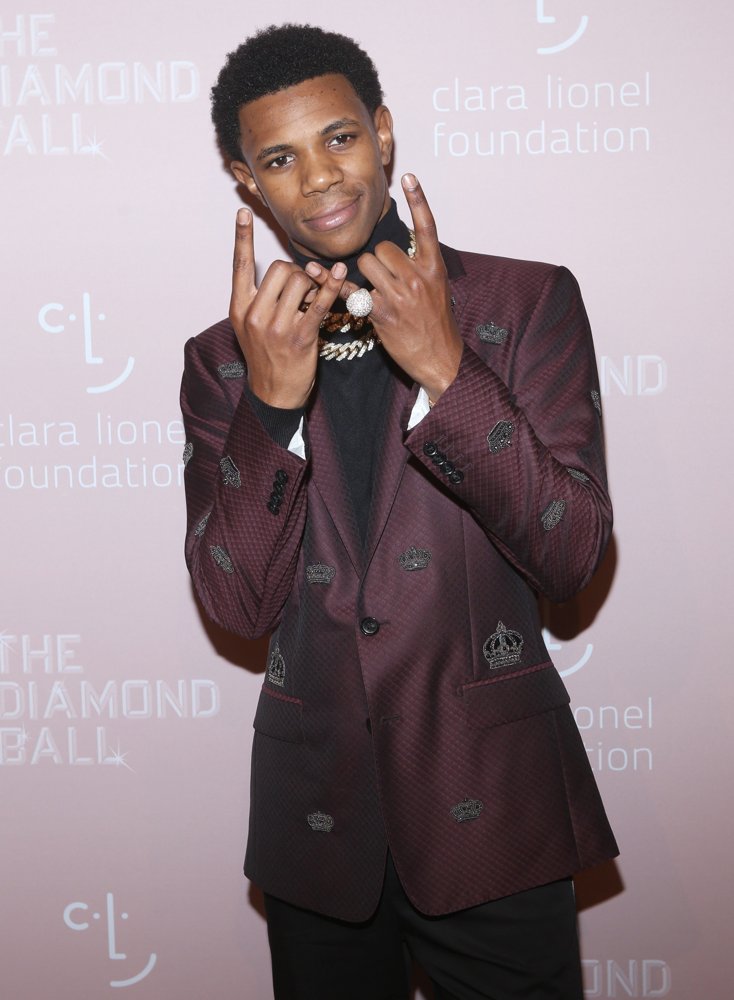
A Boogie Wit Da Hoodie
Rihanna's 4th Annual Diamond Ball
Sep 13, 2018

A Boogie Wit Da Hoodie
Lincoln Center Fashion Gala - An Evening Honoring Coach
Nov 29, 2018

A Boogie Wit Da Hoodie
STARZ Red Carpet Event for Power Final Season World Premiere
Aug 20, 2019

A Fine Frenzy
2014 Entertainment Weekly Pre-Emmy Party - Arrivals
Aug 23, 2014

A Fine Frenzy
2014 Entertainment Weekly Pre-Emmy Party - Arrivals
Aug 23, 2014




⭐Featured Celebrities