Eldred Gregory Peck, born on April 5, 1916, in La Jolla, California, and passing on June 12, 2003, stands as one of the most revered and iconic figures in American cinema. A paragon of integrity, strength, and quiet dignity, Peck dominated Hollywood from the 1940s through the 1970s, earning the American Film Institute's recognition as the 12th-greatest male star of Classic Hollywood Cinema. His legacy is defined not only by his commanding screen presence but by his unwavering commitment to roles that explored moral complexity and social justice.
Peck's journey to stardom began after studying acting at the Neighborhood Playhouse under the legendary Sanford Meisner. He honed his craft in over fifty stage productions and three Broadway plays before making his film debut. His first major critical breakthrough came with The Keys of the Kingdom (1944), a drama directed by John M. Stahl that earned him his first Academy Award nomination. This success launched a prolific period, during which he starred in the romantic drama The Valley of Decision (1945) with Greer Garson, Alfred Hitchcock's psychological thriller Spellbound (1945) opposite Ingrid Bergman, and the beloved family film The Yearling (1946). While the late 1940s saw a dip in commercial success with films like The Paradine Case (1947) and The Great Sinner (1948), Peck’s career rebounded spectacularly in the 1950s.
The 1950s and 1960s cemented Peck's status as a global superstar. He starred in the swashbuckling adventure Captain Horatio Hornblower (1951) and the biblical epic David and Bathsheba (1951), before delivering memorable performances in The Snows of Kilimanjaro (1952) with Ava Gardner and the timeless romantic comedy Roman Holiday (1953) with Audrey Hepburn. His filmography from this era is a testament to his versatility, including the classic adaptation Moby Dick (1956), the war epic The Guns of Navarone (1961), and the psychological thriller Cape Fear (1962). However, his crowning achievement came with To Kill a Mockingbird (1962), for which he won the Academy Award for Best Actor. His portrayal of Atticus Finch, a principled lawyer defending a black man in the racially charged American South, became a cinematic touchstone for moral courage and humanity, earning him universal acclaim.
Beyond his acting, Peck was a fearless political activist. In 1947, he was one of the first in Hollywood to challenge the House Un-American Activities Committee, and he was considered a political adversary by Richard Nixon. He starred in socially conscious films like Gentleman's Agreement (1947), which tackled antisemitism, and Twelve O'Clock High (1949), which dealt with the psychological toll of war. Later in his career, he took on chilling roles in The Omen (1976) and The Boys from Brazil (1978), and he portrayed the heroic priest Hugh O'Flaherty in The Scarlet and The Black (1983). For his lifetime of humanitarian efforts, President Lyndon B. Johnson awarded him the Presidential Medal of Freedom in 1969. Gregory Peck died peacefully in his sleep from bronchopneumonia at the age of 87, leaving behind a monumental legacy of art and principle.
⭐
Similar Celebrities



📷
Recent Photos
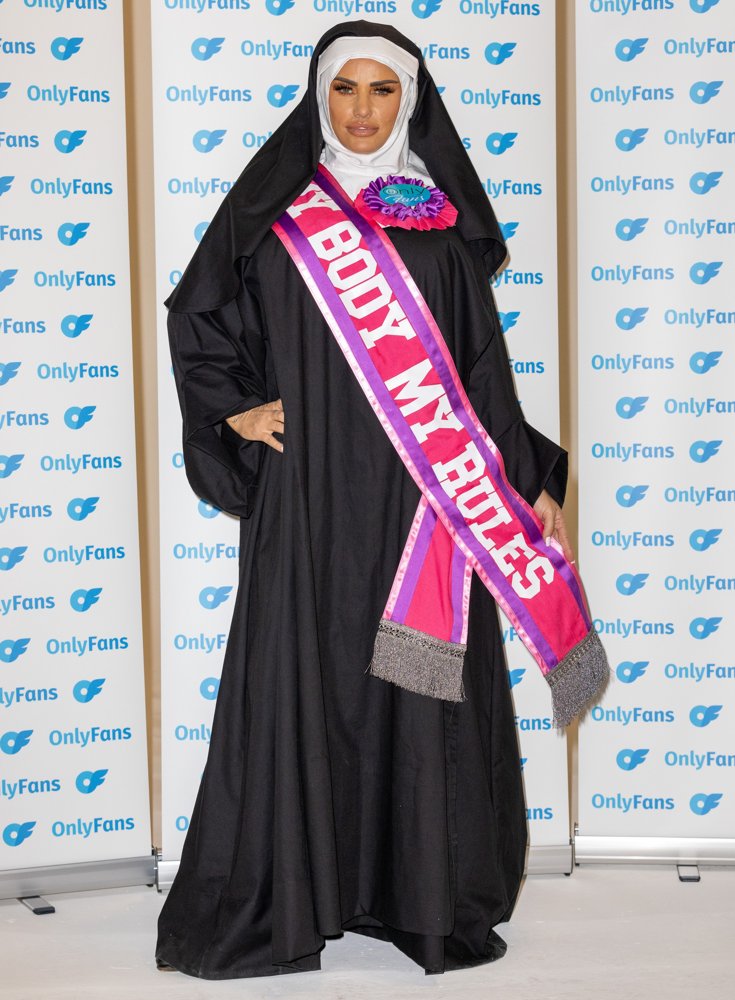
Katie Price
Katie Price Launches Only Fans Channel - Photocall
Jan 26, 2022
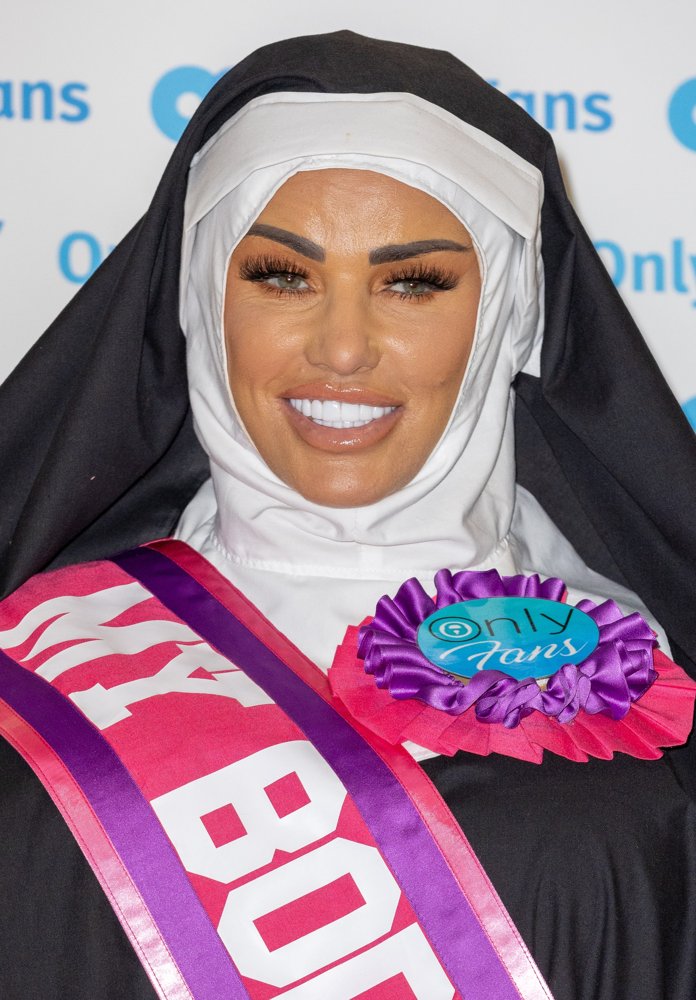
Katie Price
Katie Price Launches Only Fans Channel - Photocall
Jan 26, 2022
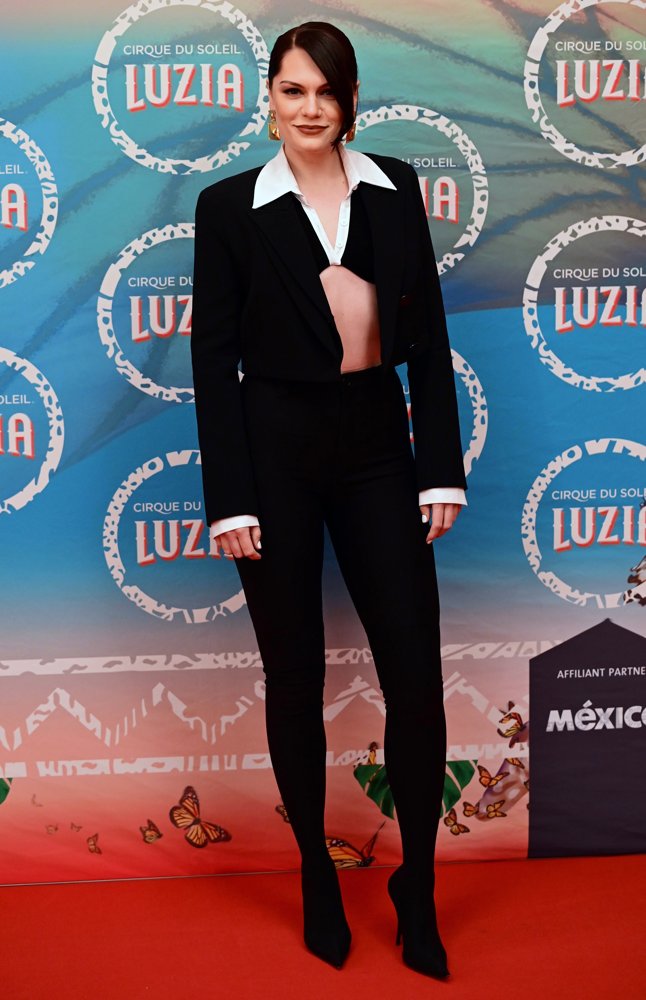
Jessie J
The Premiere of Cirque Du Soleil Luzia
Jan 13, 2022
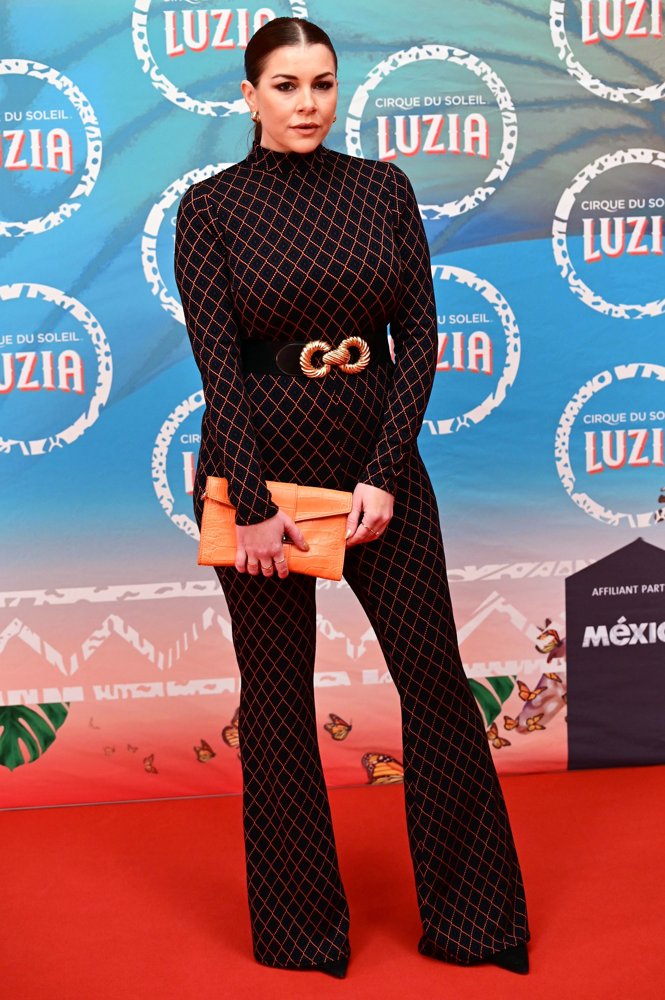
Imogen Thomas
The Premiere of Cirque Du Soleil Luzia
Jan 13, 2022

Hayley Palmer
The Premiere of Cirque Du Soleil Luzia
Jan 13, 2022

Phoenix Chi Gulzar
The Premiere of Cirque Du Soleil Luzia
Jan 13, 2022



⭐Featured Celebrities