Glenda May Jackson, born on May 9, 1936, in Birkenhead, Cheshire, was a singular figure in British cultural and public life, achieving the rare distinction of becoming both an Oscar-winning actress and a dedicated Labour politician. Over a career spanning more than six decades, she earned numerous accolades, including two Academy Awards, three Emmy Awards, and a Tony Award, cementing her place among the few performers to achieve the "Triple Crown of Acting." Her journey from a working-class upbringing to the heights of stage and screen, followed by a 23-year tenure in Parliament, made her one of the most remarkable and respected figures of her generation.
Jackson’s passion for acting emerged early, and she pursued formal training at the Royal Academy of Dramatic Art (RADA) before making her professional debut. She first gained widespread attention on the stage, particularly with her Broadway debut in Marat/Sade in 1966, which earned her a Tony Award nomination. Her film career took off with her portrayal of Gudrun Brangwen in Women in Love (1969), a role that won her the Academy Award for Best Actress. She repeated this success with a second Oscar for the romantic comedy A Touch of Class (1973), though she notably did not attend either ceremony due to prior work commitments. Her versatility was further showcased in films such as Sunday Bloody Sunday (1971), for which she won a BAFTA Award, as well as Mary, Queen of Scots (1971), Hedda (1975), The Incredible Sarah (1976), House Calls (1978), Stevie (1978), and Hopscotch (1980).
On television, Jackson delivered one of her most iconic performances as Queen Elizabeth I in the BBC series Elizabeth R (1971), a role that earned her two Primetime Emmy Awards. She also received both a BAFTA and an International Emmy Award for her later work in Elizabeth Is Missing (2019). Her stage career remained equally distinguished, with five Laurence Olivier Award nominations for West End productions including Stevie (1977), Antony and Cleopatra (1979), Rose (1980), Strange Interlude (1984), and King Lear (2016). Her return to the stage in King Lear, after a 25-year hiatus, was widely celebrated, and she reprised the role on Broadway in 2019. In 2018, she won the Tony Award for Best Actress in a Play for her performance in Edward Albee’s Three Tall Women, adding to her earlier Tony nominations for Marat/Sade, Rose, Strange Interlude, and Macbeth.
In 1992, Jackson made a dramatic career shift by entering politics, winning the parliamentary seat for Hampstead and Highgate as a Labour MP. She served as a junior transport minister from 1997 to 1999 under Prime Minister Tony Blair, though she later became a vocal critic of his leadership. Following boundary changes, she represented Hampstead and Kilburn from 2010, where her majority of just 42 votes—confirmed after a recount—was the narrowest margin of victory in Great Britain at that election. She stepped down from Parliament at the 2015 general election and returned to her first love, acting, with renewed vigor. Glenda Jackson passed away on June 15, 2023, leaving behind a legacy as a fearless artist and principled public servant whose contributions to both culture and politics remain unparalleled.

📷
Recent Photos

Amber Rose
Amber Rose for Extra
Jun 13, 2016
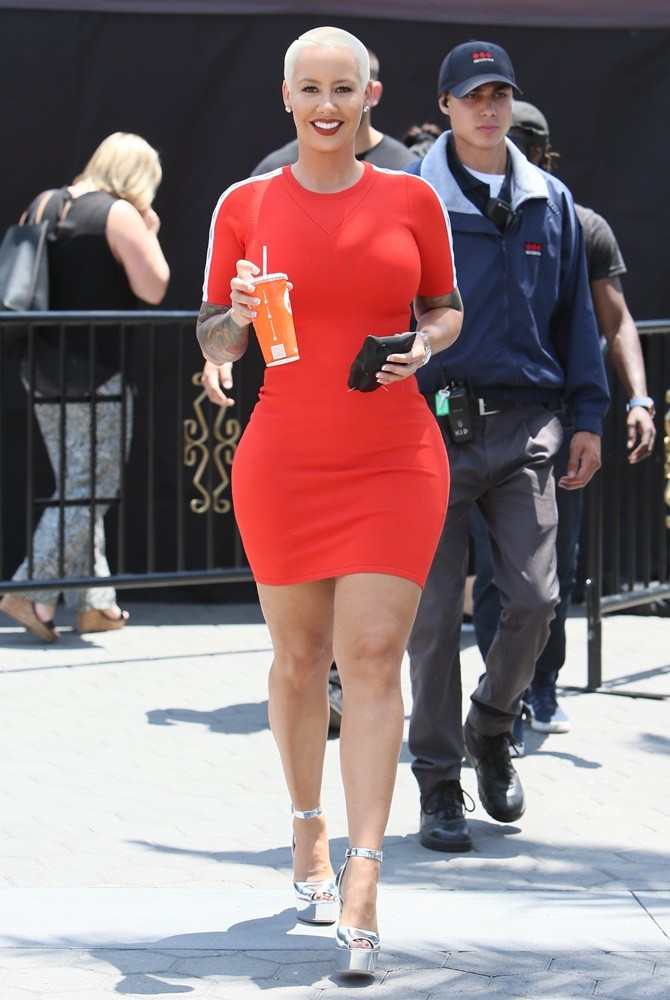
Amber Rose
Amber Rose for Extra
Jun 13, 2016

Katherine McNamara
7th Annual Thirst Gala
Jun 13, 2016

Katherine McNamara
7th Annual Thirst Gala
Jun 13, 2016
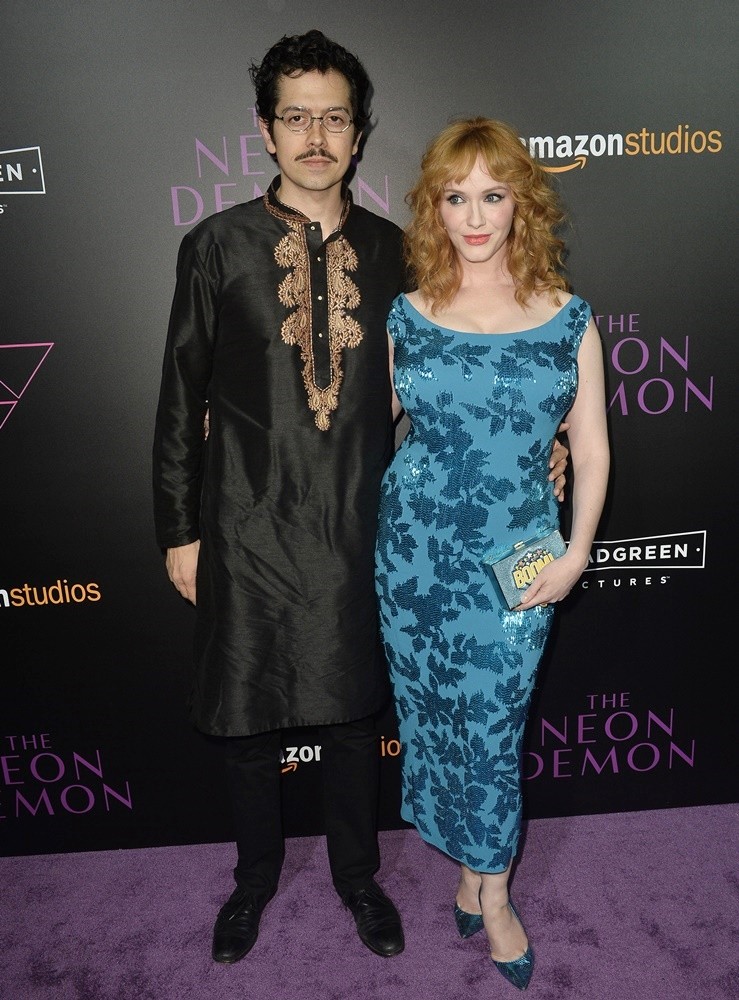
Geoffrey Arend
The Neon Demon Los Angeles Premiere
Jun 14, 2016

Bella Heathcote
The Neon Demon Los Angeles Premiere
Jun 14, 2016




⭐Featured Celebrities