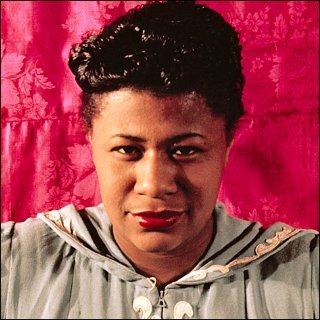
 Ella Jane Fitzgerald, born on April 25, 1917, in Newport News, Virginia, was an iconic American jazz singer and songwriter, often hailed as the "First Lady of Song," "Queen of Jazz," and "Lady Ella." Renowned for her astonishing vocal range, purity of tone, and impressive scat singing abilities, Fitzgerald became one of the most influential figures in the history of jazz music. Her career spanned nearly six decades and included numerous collaborations with other musical legends, solidifying her status as one of the genre's greatest performers.
Fitzgerald’s early life was marked by hardship and instability. Raised by her mother, Temperance Fitzgerald, after her parents' separation, she faced a tumultuous adolescence, especially after her mother's death when Fitzgerald was just 15. She found solace in music and made her professional debut at the Apollo Theater in Harlem in 1934. Shortly thereafter, she joined the Chick Webb Orchestra, where her talents flourished. Fitzgerald's performance of the nursery rhyme "A-Tisket, A-Tasket" became a breakout hit, propelling both her and the band to national fame. Following Webb's death in 1939, she took over the band but soon left to pursue a successful solo career.
In the 1940s, Fitzgerald's career continued to soar, especially after signing with Norman Granz, who founded Verve Records specifically to produce her music. Under Granz's guidance, she recorded landmark albums, including her interpretations of the Great American Songbook. These recordings showcased her remarkable ability to convey emotion and her impeccable phrasing, earning her critical acclaim and a broad fan base. Among her most celebrated albums is "Ella Swings Lightly," released in 1958, which remains a defining work in her discography.
Fitzgerald's contributions to music extended beyond her solo career. She collaborated with prominent artists such as Louis Armstrong, Duke Ellington, and The Ink Spots. These collaborations yielded timeless classics like "Cheek to Cheek," "Dream a Little Dream of Me," and "It Don't Mean a Thing (If It Ain't Got That Swing)." Her ability to blend her voice seamlessly with other musicians highlighted her versatility and solidified her reputation as a jazz icon.
Throughout her illustrious career, Fitzgerald received numerous accolades. She won 14 Grammy Awards, including a Grammy Lifetime Achievement Award, and was honored with the National Medal of Arts and the Presidential Medal of Freedom. In 1993, after nearly 60 years in the spotlight, she gave her final public performance. Ella Fitzgerald passed away on June 15, 1996, at the age of 79, after years of declining health. Her legacy endures through her timeless recordings, her profound influence on jazz and popular music, and her enduring status as one of the greatest vocalists in music history.
⭐
Similar Celebrities

📷
Recent Photos
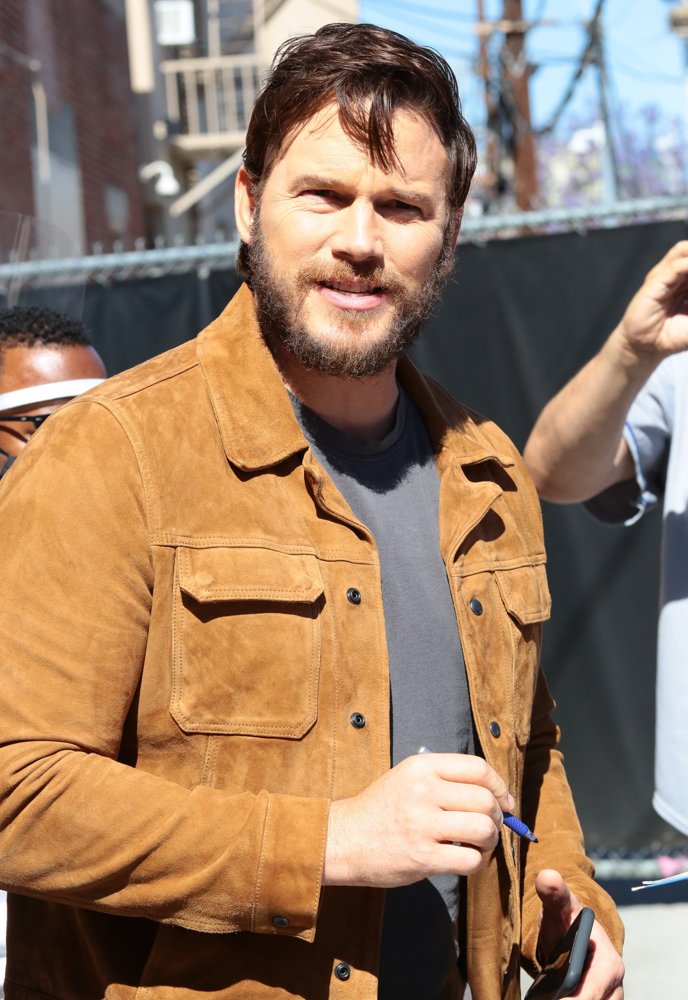
Chris Pratt
Chris Pratt Seen Out and About in Los Angeles
Jun 24, 2021
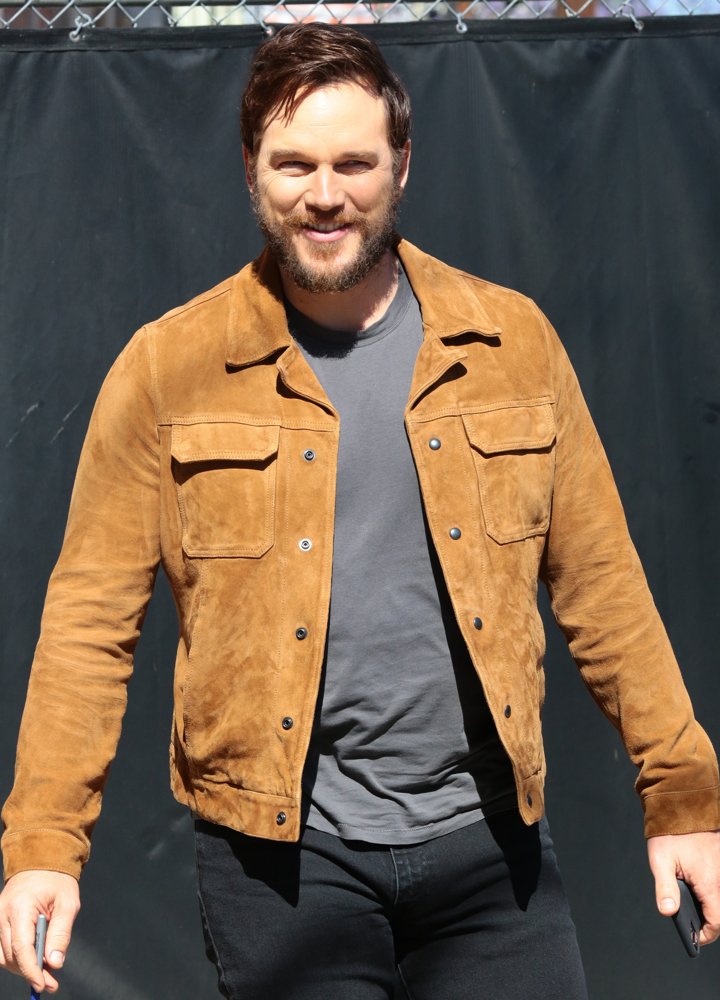
Chris Pratt
Chris Pratt Seen Out and About in Los Angeles
Jun 24, 2021

Chris Pratt
Chris Pratt Seen Out and About in Los Angeles
Jun 24, 2021
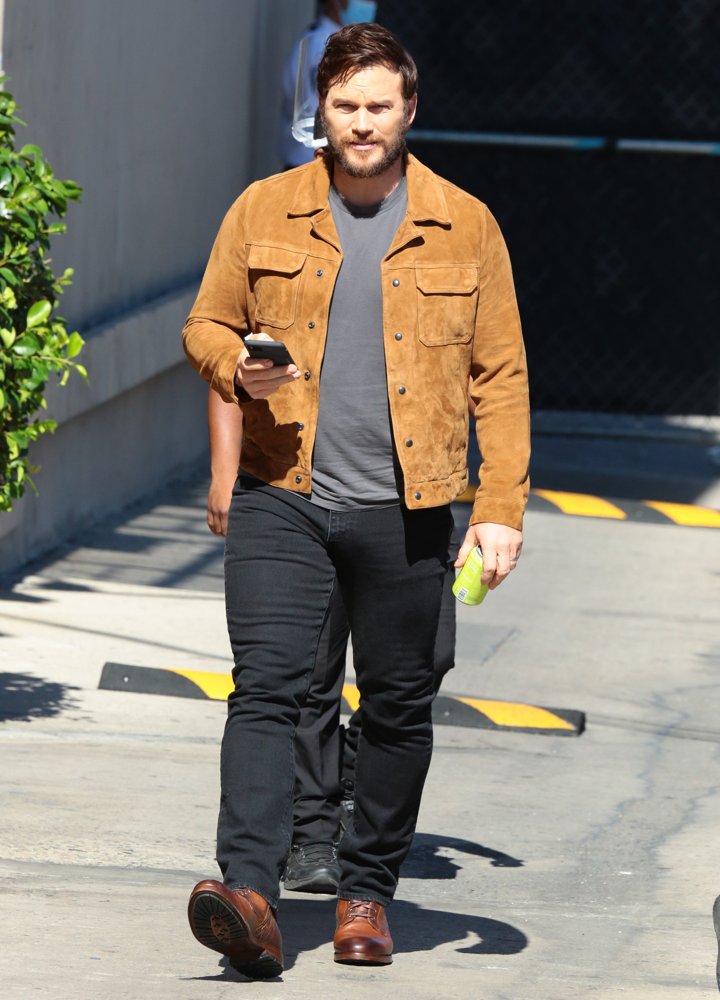
Chris Pratt
Chris Pratt Seen Out and About in Los Angeles
Jun 24, 2021
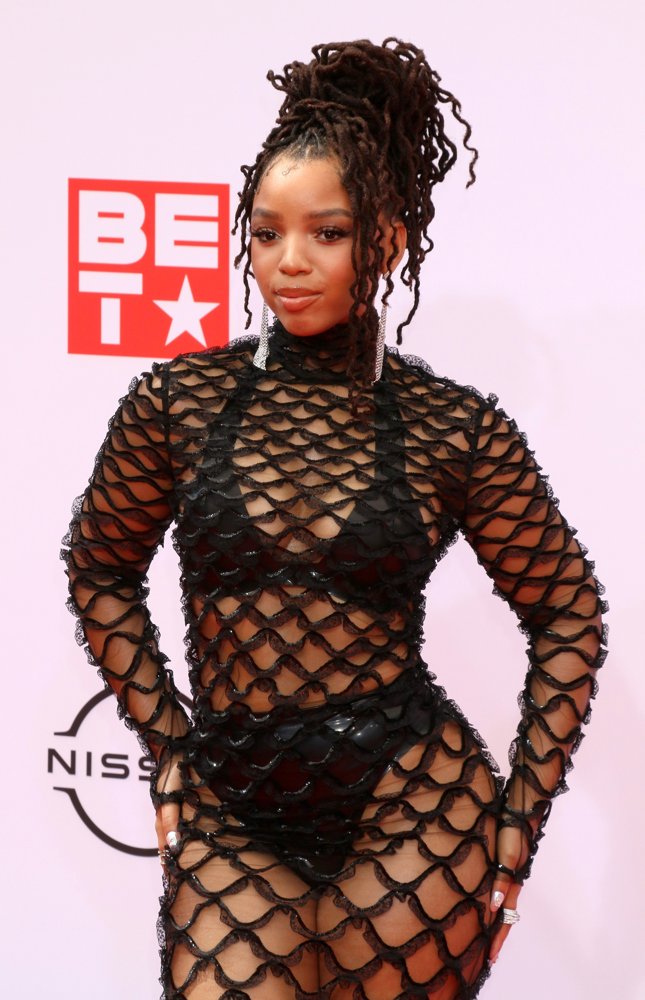
Chloe Bailey
2021 BET Awards - Arrivals
Jun 27, 2021
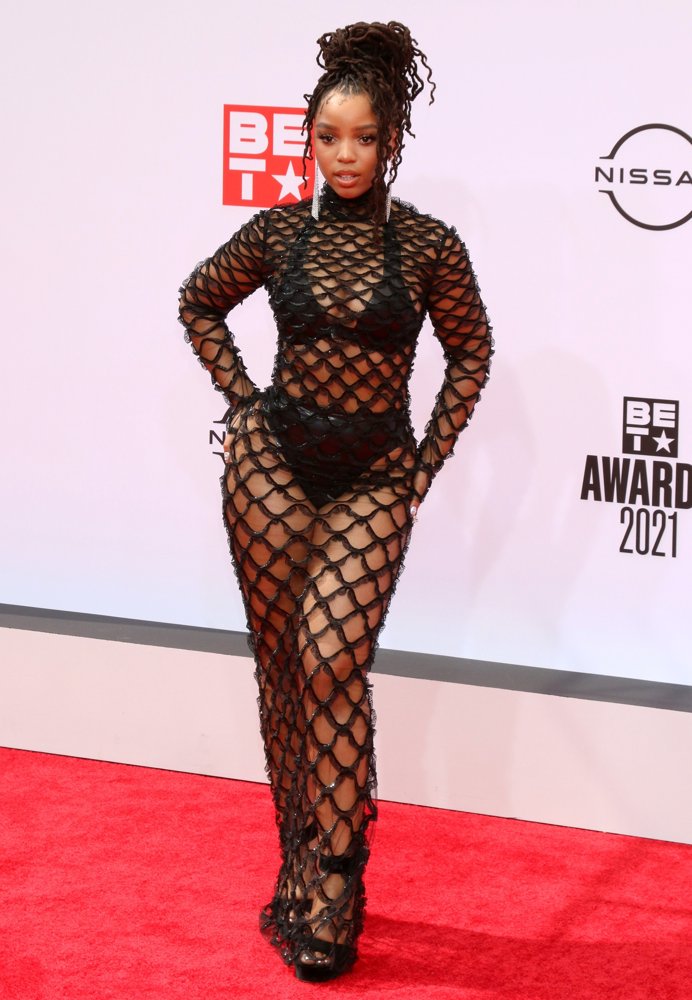
Chloe Bailey
2021 BET Awards - Arrivals
Jun 27, 2021




⭐Featured Celebrities