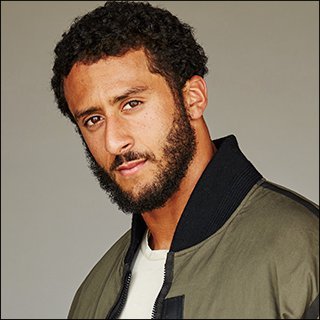
 Colin Rand Kaepernick stands as one of the most polarizing and influential figures in modern American sports, transforming from a promising NFL quarterback into a powerful symbol of social justice activism. Born on November 3, 1987, in Milwaukee, Wisconsin, to Heidi Russo, Kaepernick was adopted by Rick and Teresa Kaepernick, who raised him in Turlock, California. His mixed-race heritage and adoption would later inform his perspective on identity and belonging in America.
Kaepernick's athletic prowess emerged early, excelling in both football and baseball during his high school years. His exceptional arm strength and mobility caught the attention of college scouts, leading him to the University of Nevada, where he played for the Wolf Pack. During his collegiate career, Kaepernick established himself as a dual-threat quarterback, combining powerful passing ability with impressive rushing skills. He twice earned Western Athletic Conference Offensive Player of the Year honors and gained national recognition as the Most Valuable Player of the 2008 Humanitarian Bowl, a performance that showcased his potential for professional success.
The San Francisco 49ers selected Kaepernick in the second round of the 2011 NFL Draft, where he initially served as a backup to veteran quarterback Alex Smith. His opportunity came in the middle of the 2012 season when Smith suffered a concussion, thrusting Kaepernick into the starting role. He seized the moment with remarkable performances, leading the 49ers through the playoffs with his dynamic playing style that combined precise passing with explosive running ability. His playoff run culminated in Super Bowl XLVII against the Baltimore Ravens, marking the franchise's first Super Bowl appearance since 1994, though they ultimately fell short in a thrilling contest.
The following 2013 season saw Kaepernick establish himself as the full-time starter, guiding the 49ers to the NFC Championship Game and cementing his reputation as one of the league's most exciting young quarterbacks. However, the subsequent three seasons proved challenging, with the team struggling and Kaepernick experiencing fluctuations in his starting status as the 49ers missed the playoffs each year.
The trajectory of Kaepernick's life and career changed dramatically during the 2016 preseason when he began sitting during the playing of the national anthem before games. Initially going unnoticed, his protest was intended to highlight police brutality and racial inequality in the United States. After consulting with former NFL player and Green Beret Nate Boyer, Kaepernick modified his protest to kneeling during the anthem, viewing it as a more respectful form of demonstration while maintaining his message.
The kneeling protest sparked intense national debate, with reactions ranging from strong support to vehement opposition. The movement gained momentum as other NFL players joined the demonstrations, but it also attracted criticism from various quarters, including then-President Donald Trump, who called for team owners to fire protesting players. Following the 2016 season, Kaepernick became a free agent and remained unsigned, despite his demonstrated ability on the field.
Convinced that team owners were collectively avoiding him due to his activism, Kaepernick filed a grievance against the NFL in November 2017, alleging collusion. The case proceeded through arbitration until February 2019, when Kaepernick reached a confidential settlement with the league and withdrew his complaint. His protests gained renewed relevance and support in 2020 during the nationwide demonstrations following the death of George Floyd, with many acknowledging the prescience of his earlier activism.
Today, Kaepernick continues his civil rights work while remaining hopeful for an NFL return, having evolved from accomplished athlete to influential activist whose impact extends far beyond the football field.
⭐
Similar Celebrities



📷
Recent Photos
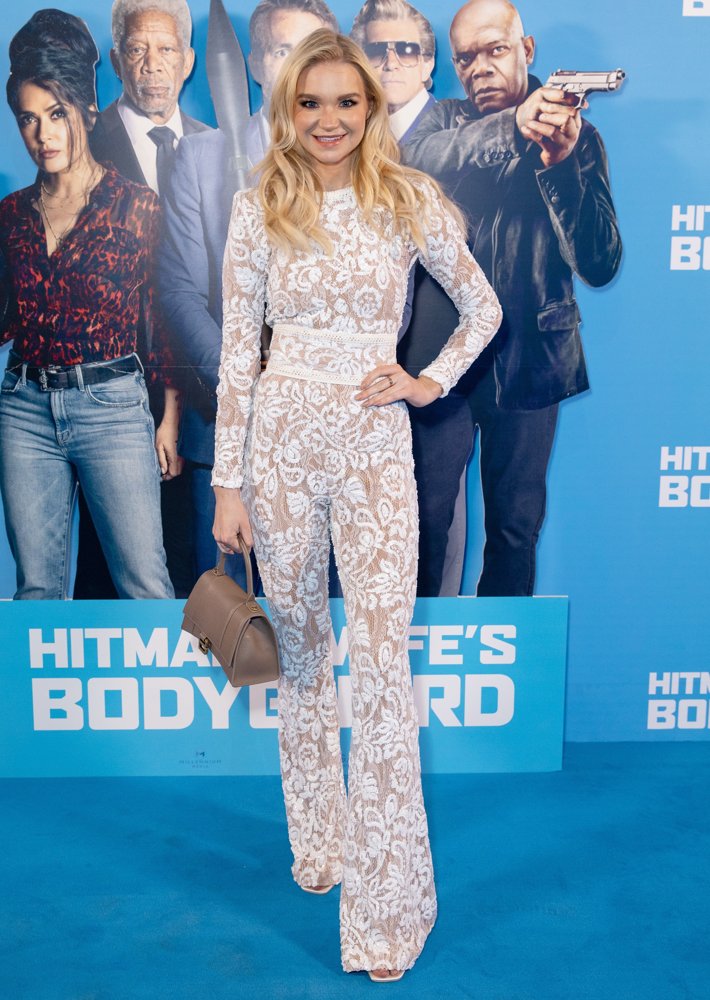
Abbie Quinnen
UK Screening of The Hitman's Wife's Bodyguard
Jun 14, 2021
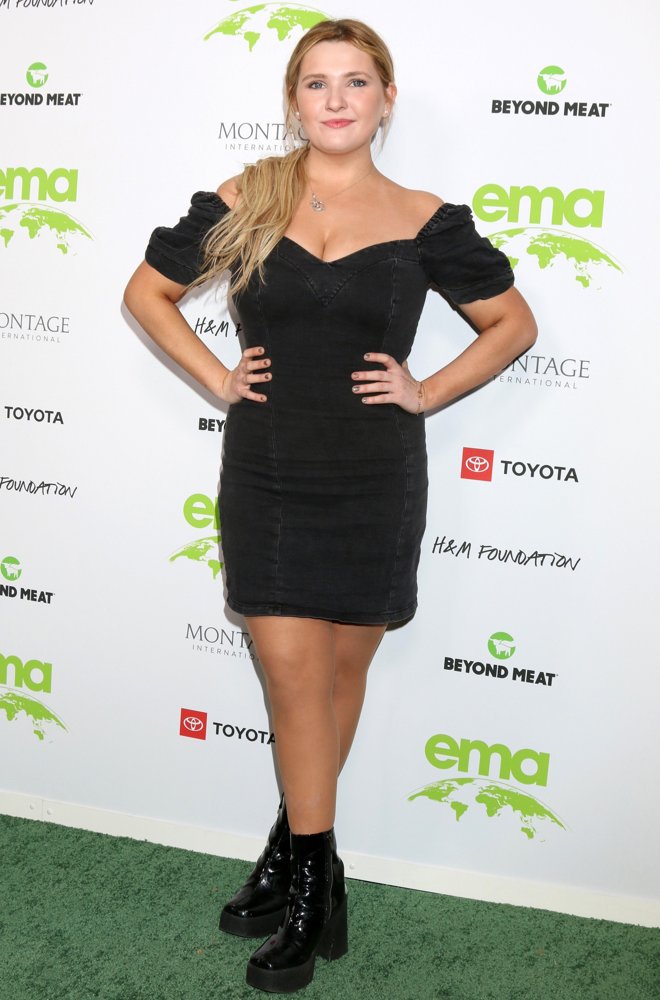
Abigail Breslin
2021 Environmental Media Association Awards
Oct 16, 2021
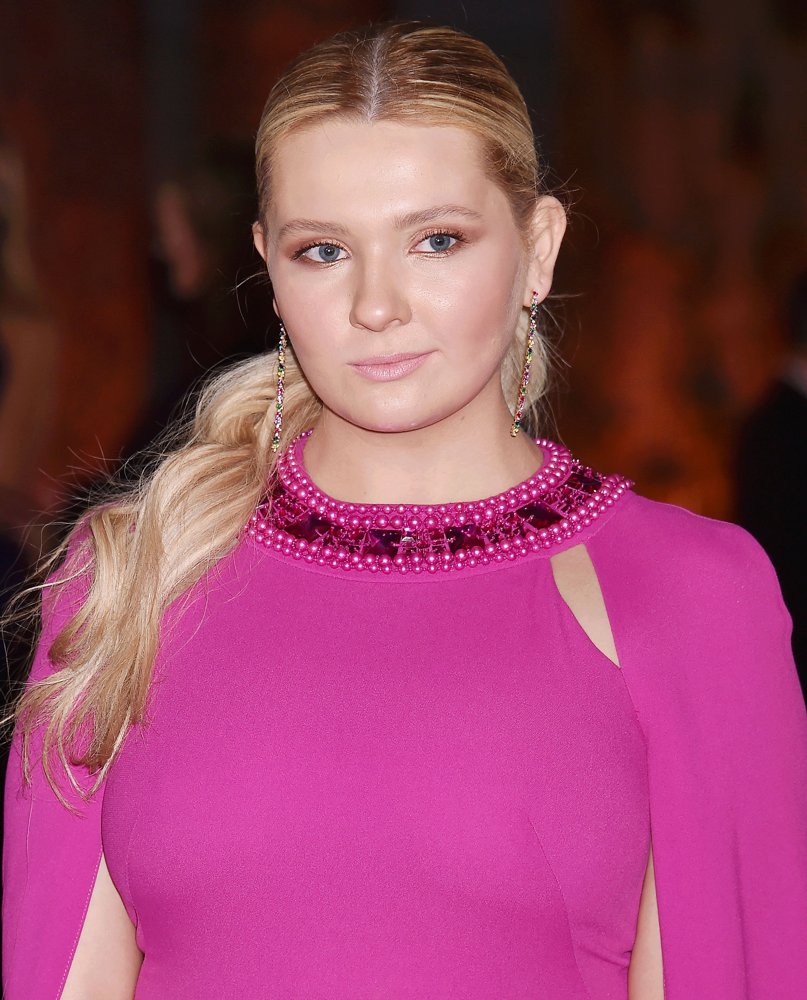
Abigail Breslin
The Academy Museum of Motion Pictures Opening Gala - Arrivals
Sep 25, 2021
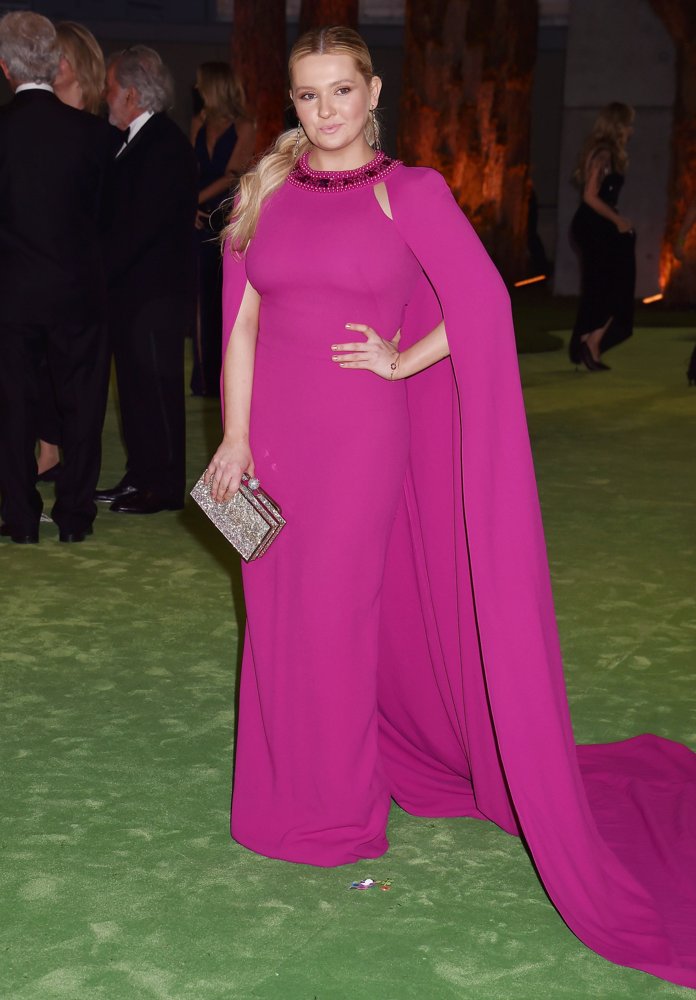
Abigail Breslin
The Academy Museum of Motion Pictures Opening Gala - Arrivals
Sep 25, 2021
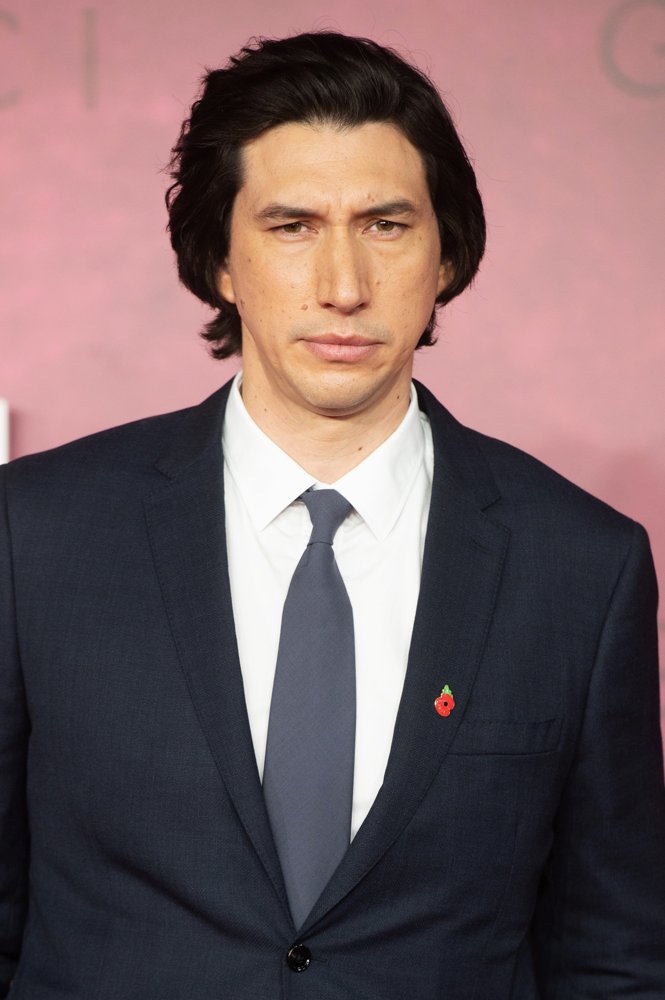
Adam Driver
House of Gucci UK Premiere - Arrivals
Nov 9, 2021
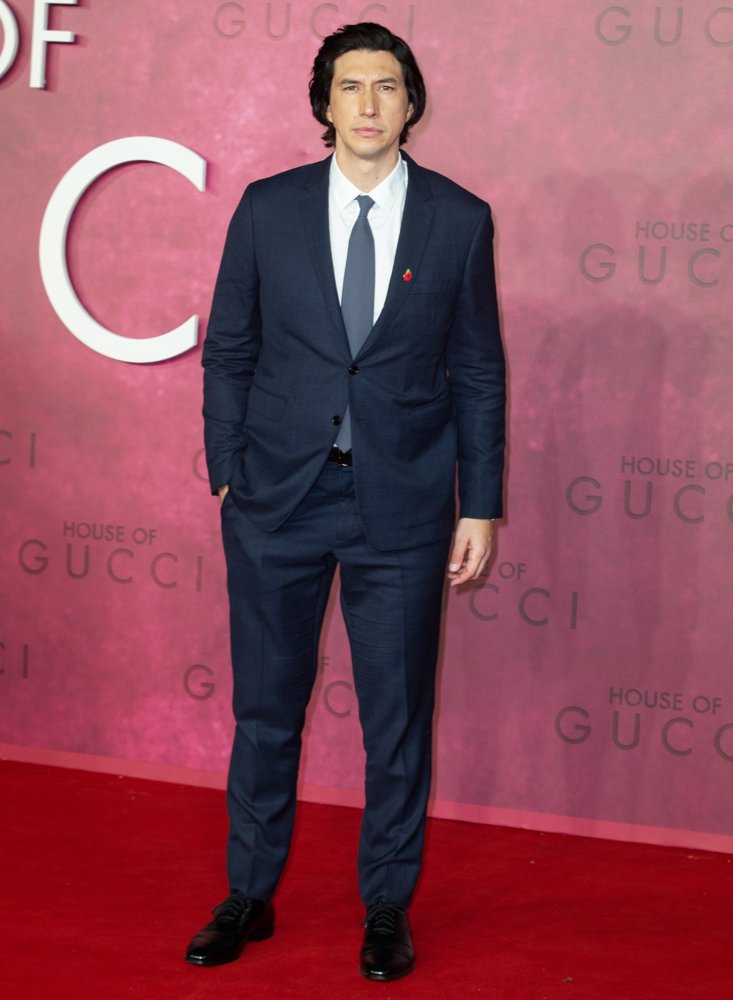
Adam Driver
House of Gucci UK Premiere - Arrivals
Nov 9, 2021




⭐Featured Celebrities