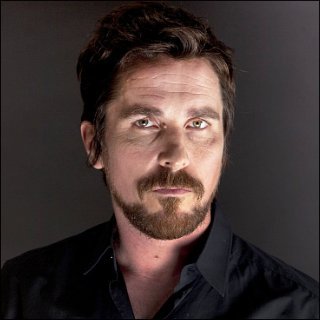
Burton Leon Reynolds Jr., born on February 11, 1936, in Lansing, Michigan, was one of Hollywood's most iconic and charismatic leading men, whose career spanned more than five decades and left an indelible mark on American cinema. He passed away on September 6, 2018, but his legacy as a box-office powerhouse and cultural touchstone endures. Reynolds first captured the attention of television audiences with a recurring role in the classic Western series Gunsmoke from 1962 to 1965, which laid the groundwork for a prolific career. He followed this with leading roles in the television series Hawk in 1966 and Dan August from 1970 to 1971, establishing himself as a versatile and dependable performer before making the leap to the big screen.
Reynolds' early film work included the Spaghetti Western Navajo Joe in 1966 and the action-adventure 100 Rifles in 1969, but it was his gripping performance as Lewis Medlock in the 1972 thriller Deliverance that served as his true breakthrough, showcasing a dramatic depth that surprised critics and audiences alike. From that point, Reynolds became a dominant force in Hollywood, headlining a string of successful films throughout the 1970s and 1980s. His leading roles in White Lightning, The Longest Yard, and the massively popular Smokey and the Bandit in 1977 cemented his status as a superstar, with the latter film initiating a remarkable seven-year reign at the box office. He continued his winning streak with hits like Semi-Tough, The End, Hooper, Starting Over, Smokey and the Bandit II, The Cannonball Run, Sharky's Machine, The Best Little Whorehouse in Texas, Smokey and the Bandit III, and Cannonball Run II, several of which he also directed. During this period, Reynolds was voted the world's number-one most bankable movie star from 1978 to 1982 in the annual Top Ten Money Making Stars Poll, a five-year record he shared with legends like Bing Crosby, Clint Eastwood, and Tom Hanks until Tom Cruise surpassed them all in 2001.
After a period of box-office failures, Reynolds demonstrated his resilience by returning to television, starring in the beloved sitcom Evening Shade from 1990 to 1994. His work on the show earned him both a Golden Globe Award for Best Actor in a Television Series Musical or Comedy and a Primetime Emmy Award for Outstanding Lead Actor in a Comedy Series, proving his comedic timing and enduring appeal. However, his most celebrated artistic triumph came in 1997 when he portrayed the high-minded pornographer Jack Horner in Paul Thomas Anderson's critically acclaimed film Boogie Nights. This role brought Reynolds a renewed wave of critical acclaim, earning him the Golden Globe Award for Best Supporting Actor in a Motion Picture, along with nominations for an Academy Award, a BAFTA Award, and two Screen Actors Guild Awards. Burt Reynolds remains a towering figure in entertainment history, remembered for his rugged charm, infectious laughter, and an impressive body of work that continues to entertain new generations of fans.
⭐
Similar Celebrities




📷
Recent Photos
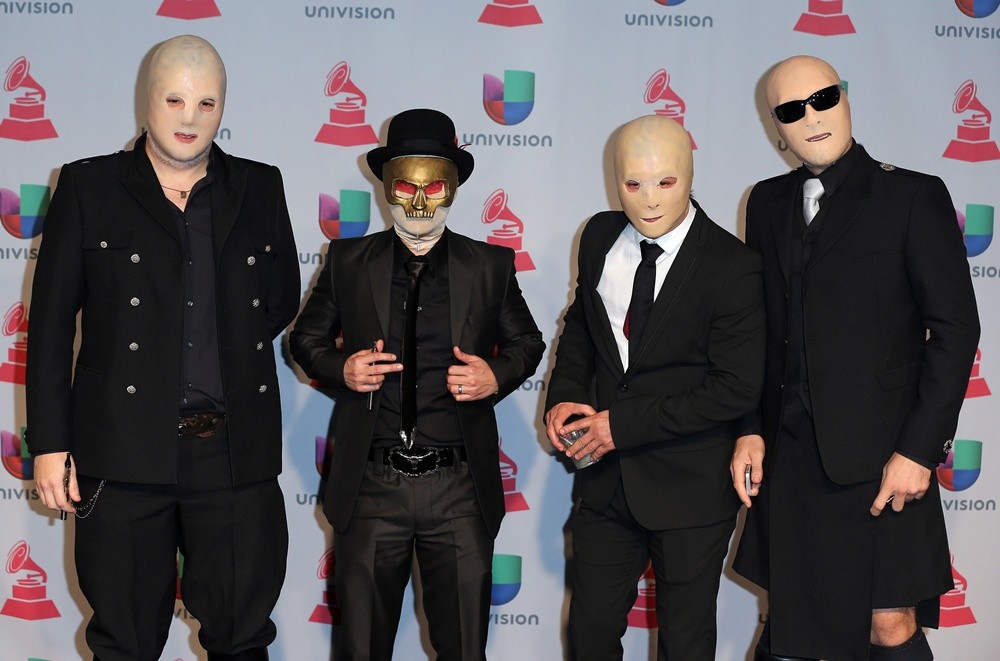
A Band of Bitches
The Latin Grammys 2013
Nov 21, 2013
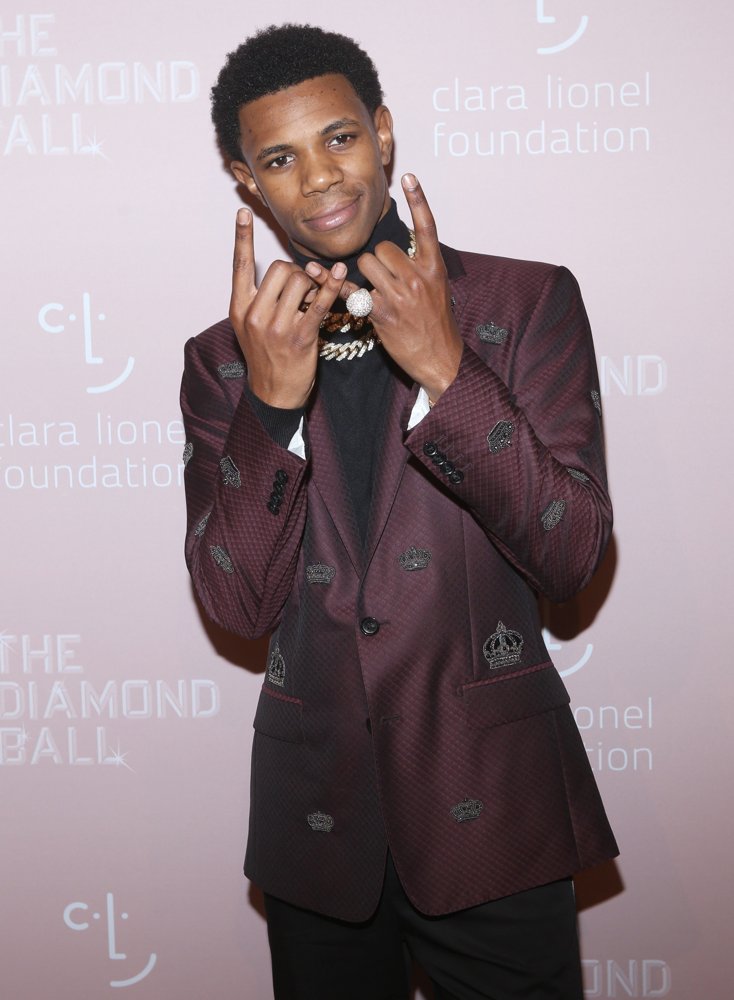
A Boogie Wit Da Hoodie
Rihanna's 4th Annual Diamond Ball
Sep 13, 2018

A Boogie Wit Da Hoodie
Lincoln Center Fashion Gala - An Evening Honoring Coach
Nov 29, 2018
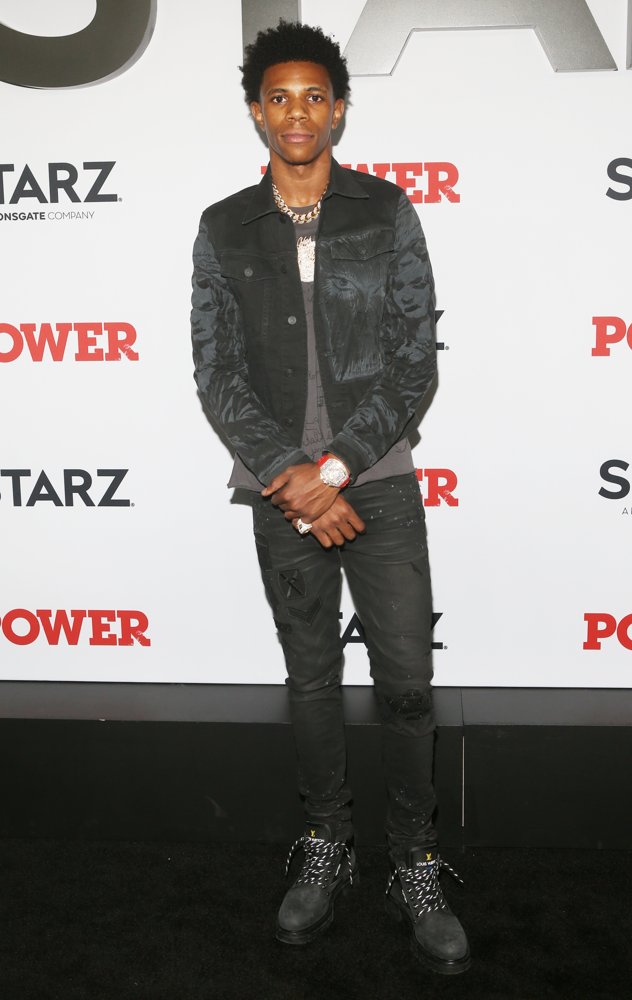
A Boogie Wit Da Hoodie
STARZ Red Carpet Event for Power Final Season World Premiere
Aug 20, 2019

A Fine Frenzy
2014 Entertainment Weekly Pre-Emmy Party - Arrivals
Aug 23, 2014

A Fine Frenzy
2014 Entertainment Weekly Pre-Emmy Party - Arrivals
Aug 23, 2014



⭐Featured Celebrities