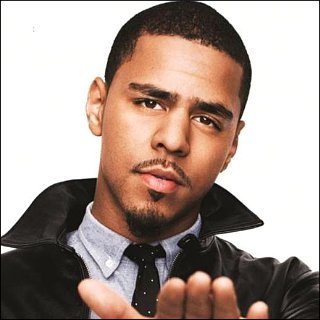
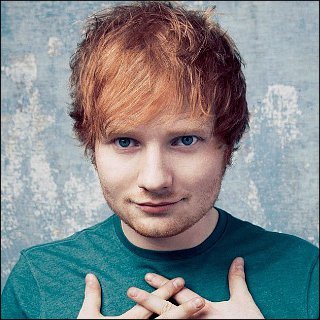
Charles Hardin Holley, known to the world as Buddy Holly, was born on September 7, 1936, in Lubbock, Texas, and despite a career that lasted barely two years, he became one of the most influential figures in rock and roll history. Growing up in a musical family during the Great Depression, he learned to play guitar and sing alongside his siblings, developing a passion that would lead him to his first local television appearance in 1952. The following year, he formed the duo Buddy and Bob with his friend Bob Montgomery, initially performing a blend of country and western music that reflected their Texas roots.
The pivotal moment in Holly's career came in 1955 when he opened for Elvis Presley and witnessed the raw energy of rock and roll firsthand. After playing with Presley three times that year, Holly and his band shifted their sound dramatically, embracing the new style that was sweeping the nation. His talent caught the attention of Nashville scout Eddie Crandall in October 1955, when he opened for Bill Haley & His Comets, leading to a contract with Decca Records. However, Holly found himself at odds with producer Owen Bradley, whose polished, orchestrated country style clashed with Holly's vision for a more raw, guitar-driven sound. Unhappy with the control Bradley exerted in the studio, Holly traveled to Clovis, New Mexico, to record a demo of "That'll Be the Day" with producer Norman Petty, who would become his manager.
Petty sent the demo to Brunswick Records, which released it as a single credited to the Crickets, a name chosen to circumvent the restrictions of Holly's Decca contract. In September 1957, "That'll Be the Day" topped the charts in both the United States and the United Kingdom, establishing Holly as a major force in popular music. The success continued with the release of "Peggy Sue" in October, and the album The "Chirping" Crickets reached number five on the UK Albums Chart in November. Holly made his second appearance on The Ed Sullivan Show in January 1958, followed by tours of Australia and the UK, where his energetic performances and distinctive vocal style captivated audiences.
In early 1959, Holly assembled a new band featuring Waylon Jennings on bass, Tommy Allsup on guitar, and Carl Bunch on drums, and embarked on a tour of the midwestern United States. After a performance in Clear Lake, Iowa, on February 3, 1959, Holly chartered a small airplane to reach his next show in Moorhead, Minnesota. Shortly after takeoff, the plane crashed in a snowstorm, killing Holly, fellow rock and roll pioneers Ritchie Valens and the Big Bopper, along with pilot Roger Peterson. The tragedy was later immortalized by Don McLean in his 1971 song "American Pie," which referred to the event as "The Day the Music Died."
Despite his brief career, Holly's impact on music was profound and enduring. He is credited with defining the classic rock and roll lineup of two guitars, bass, and drums, and his innovative songwriting and recording techniques influenced generations of artists, including Bob Dylan, the Beatles, the Rolling Stones, Eric Clapton, the Hollies, Elvis Costello, and Elton John. In 1986, he was among the first group of artists inducted into the Rock and Roll Hall of Fame, and in 2010, Rolling Stone magazine ranked him number 13 on its list of the 100 Greatest Artists. Buddy Holly's legacy lives on not only through his timeless recordings but also through the countless musicians who cite him as a primary inspiration, cementing his status as a true pioneer of rock and roll.
⭐
Similar Celebrities


📷
Recent Photos

Zuri Hall
Sing 2 Premiere - Arrivals
Dec 12, 2021
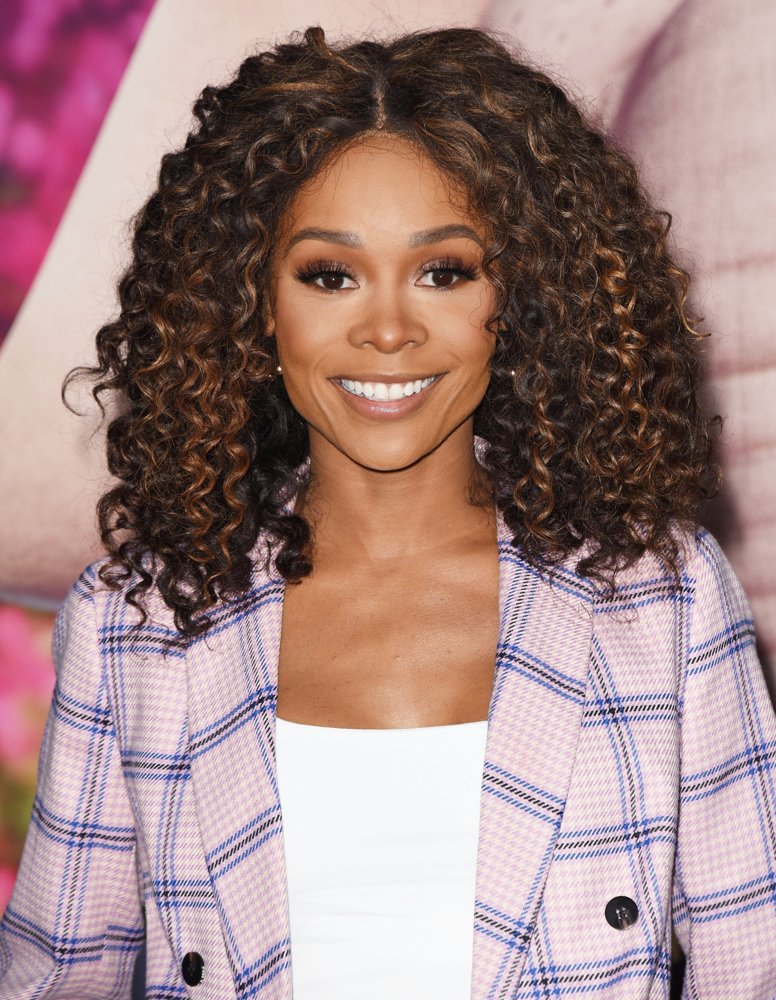
Zuri Hall
Sing 2 Premiere - Arrivals
Dec 12, 2021
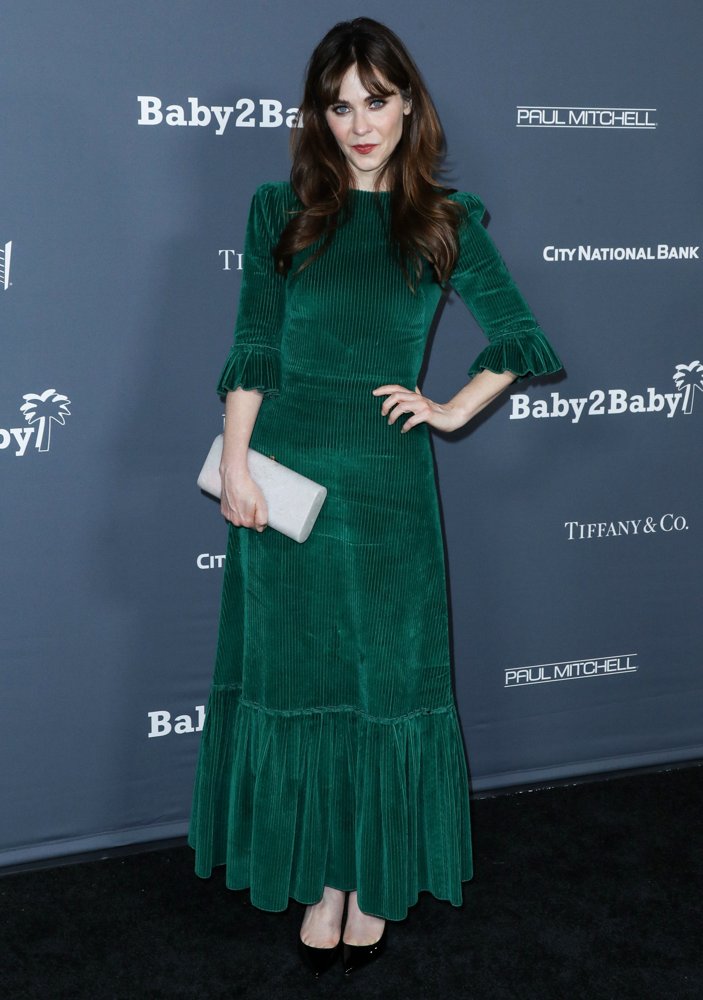
Zooey Deschanel
Baby2Baby 10-Year Gala 2021
Nov 13, 2021
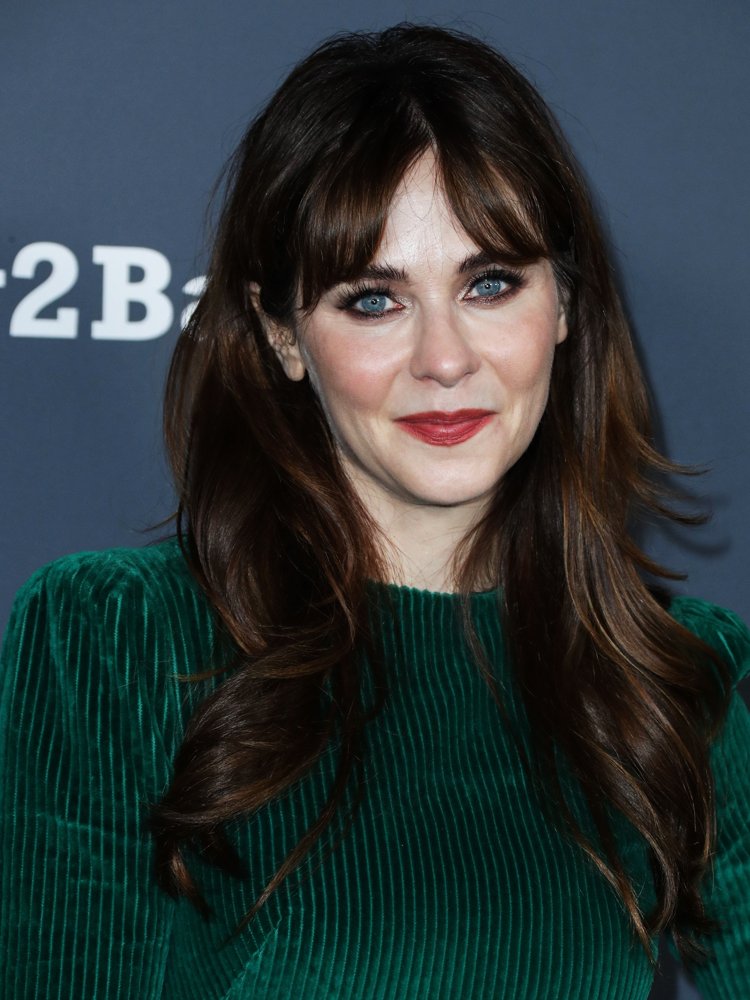
Zooey Deschanel
Baby2Baby 10-Year Gala 2021
Nov 13, 2021
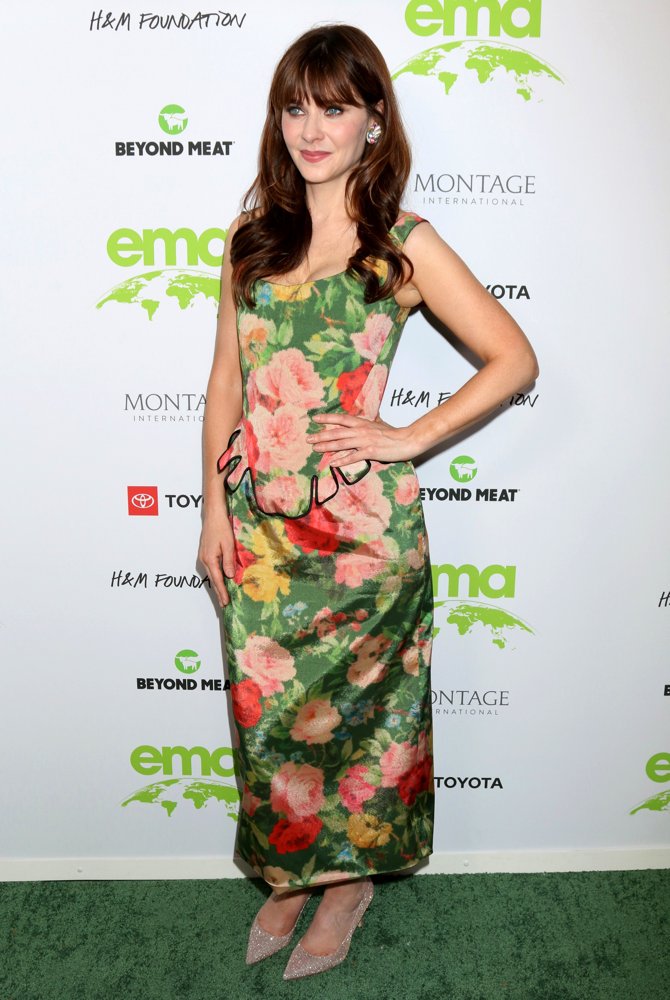
Zooey Deschanel
2021 Environmental Media Association Awards
Oct 16, 2021
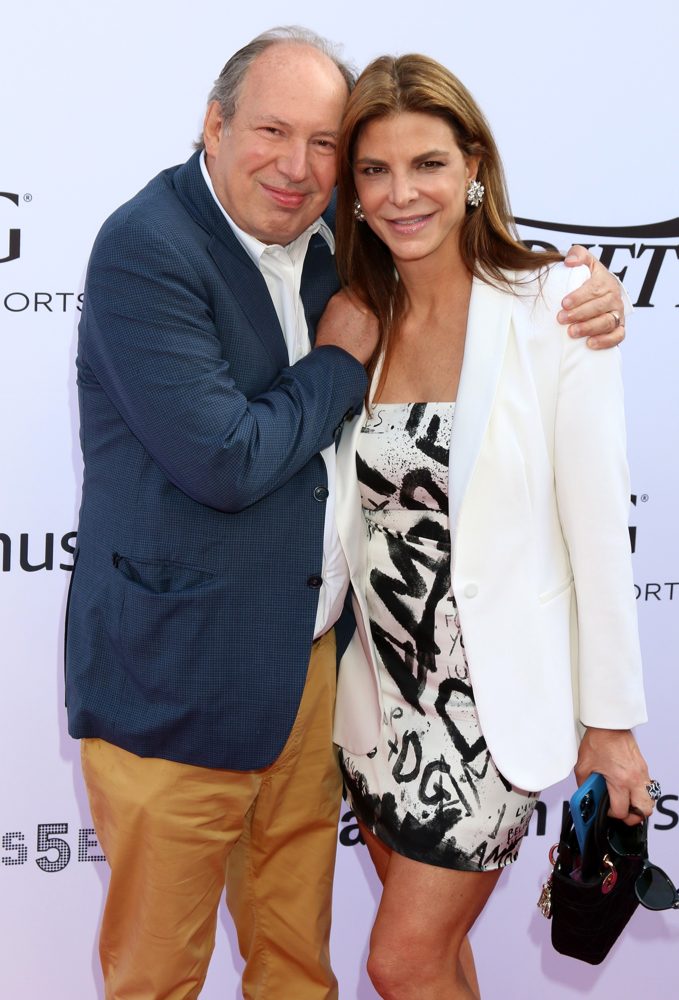
Hans Zimmer
Variety 2021 Music Hitmakers Brunch
Dec 4, 2021




⭐Featured Celebrities