Bernard Charles Ecclestone, born on 28 October 1930 in Suffolk and raised in Bexleyheath, stands as one of the most transformative and polarizing figures in the history of motorsport. Known globally as the "F1 Supremo," he effectively built the commercial empire that turned Formula One from a dangerous pastime for wealthy amateurs into a multi-billion-dollar global spectacle. Beginning his business career trading motorcycle parts after World War II, Ecclestone’s entrepreneurial instincts were evident early, but his initial foray into the sport was as a driver. He started racing in Formula Three in 1949, achieving notable success with multiple wins at Brands Hatch in a Cooper Mk V, before attempting to step up to the top tier. After purchasing two Connaught chassis in 1958, he entered the Monaco and British Grands Prix as a privateer, though he failed to qualify for either event, a setback that ended his competitive driving career but redirected his focus toward the business of racing.
Ecclestone’s transition from driver to powerbroker was swift and strategic. He became a driver manager, representing talents such as Stuart Lewis-Evans and Jochen Rindt, the latter winning the World Drivers' Championship posthumously in 1970. In 1972, he purchased the Brabham team, which he operated for fifteen years, guiding it to 22 victories and two World Drivers' Championship titles with Nelson Piquet. His influence expanded dramatically in 1974 when he co-founded the Formula One Constructors' Association, leading the organization through the turbulent FISA–FOCA war that reshaped the sport's governance. The pivotal moment came in the late 1970s when he pioneered the sale of television rights, a move that fundamentally shifted the financial power structure of Formula One. Under the terms of the 1987 Concorde Agreement, his newly founded Formula One Group secured control not only of the commercial rights but also of the administration, setup, and logistics of every Grand Prix, cementing his position as the sport's undisputed commercial ruler.
Beyond Formula One, Ecclestone extended his business reach by founding International Sportsworld Communicators in 1996, which controlled the commercial rights to the World Rally Championship until 2000. His financial acumen placed him fifth on the Sunday Times Rich List in 2002, and he notably declined both a CBE and a knighthood from Elizabeth II. From 2007 to 2011, he co-owned the football club Queens Park Rangers alongside Flavio Briatore, overseeing the club's promotion to the Premier League. He sold the Formula One Group to Liberty Media in 2017, after which he was appointed chairman emeritus and adviser to the board until his departure in 2020. His personal life has also drawn headlines; with the birth of his son in 2020, he became one of the oldest known fathers at age 89. In October 2023, he was convicted of tax fraud at Southwark Crown Court, agreeing to pay HM Revenue and Customs over £650 million in back taxes and penalties, receiving a 17-month prison sentence suspended for two years. Despite the controversies that have marked his later years, Ecclestone’s legacy as the architect of modern Formula One remains undisputed, a testament to a career that redefined the commercial landscape of global motorsport.
⭐
Similar Celebrities

📷
Recent Photos
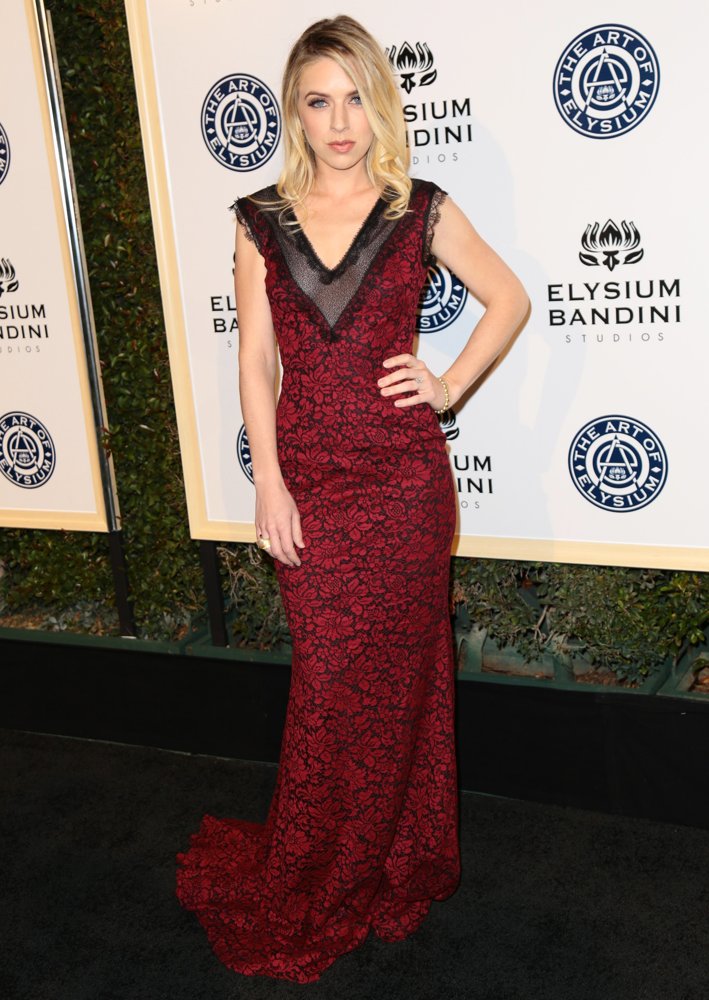
ZZ Ward
The Art of Elysium Presents Stevie Wonder's HEAVEN - Celebrating The 10th Anniversary
Jan 7, 2017
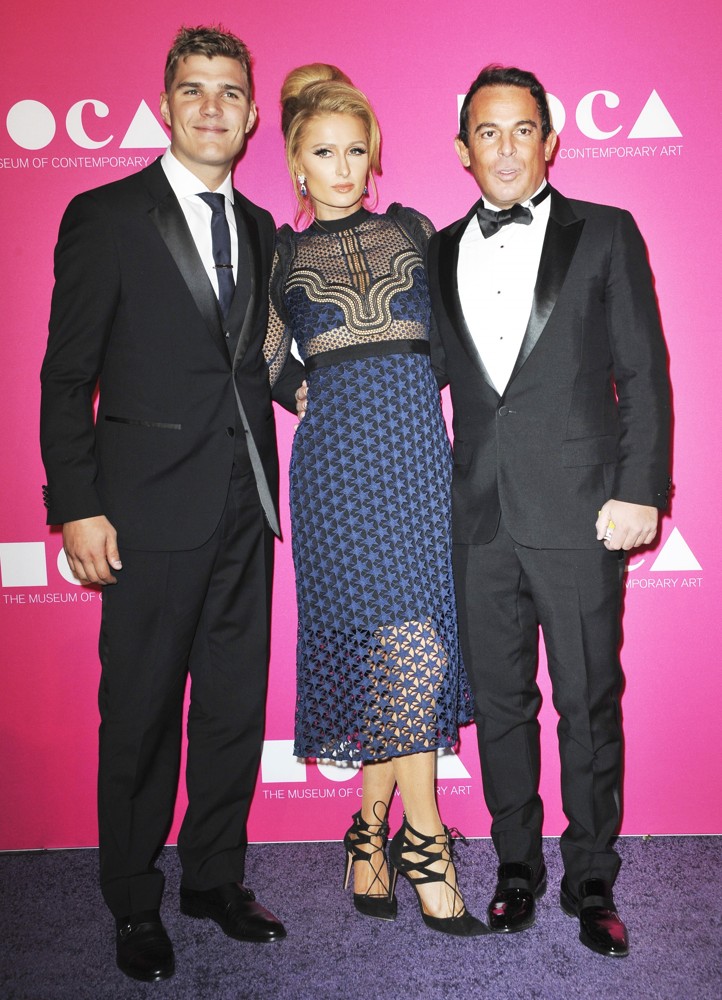
Chris Zylka
MOCA Gala 2017
Apr 29, 2017

Lucas Zwirner
21 Bridges Screening
Nov 19, 2019
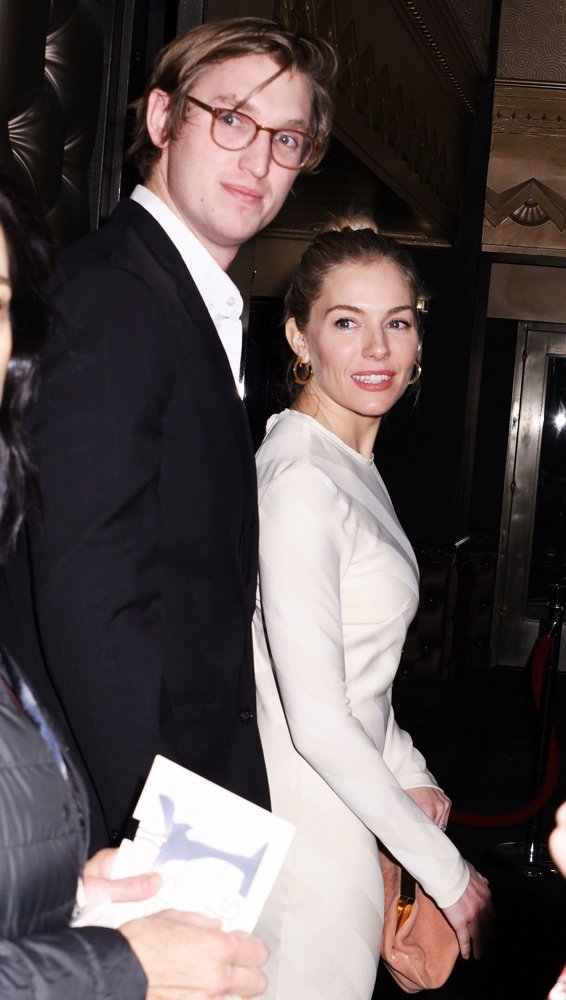
Lucas Zwirner
The 72nd Annual Writers Guild Awards
Feb 1, 2020
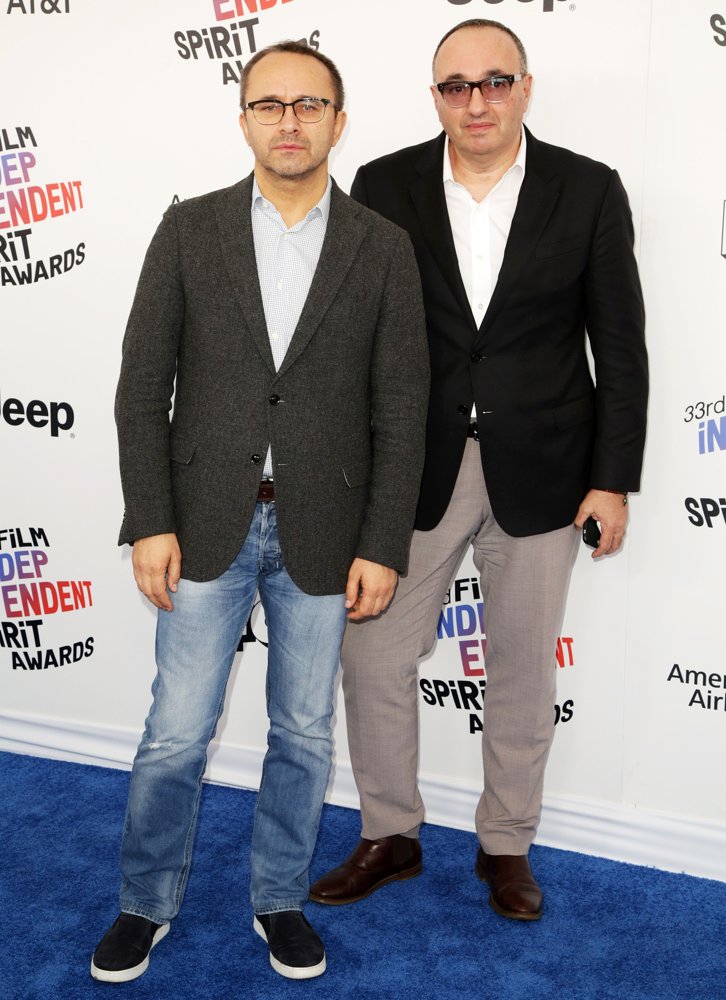
Andrey Zvyagintsev
2018 Film Independent Spirit Awards - Arrivals
Mar 3, 2018
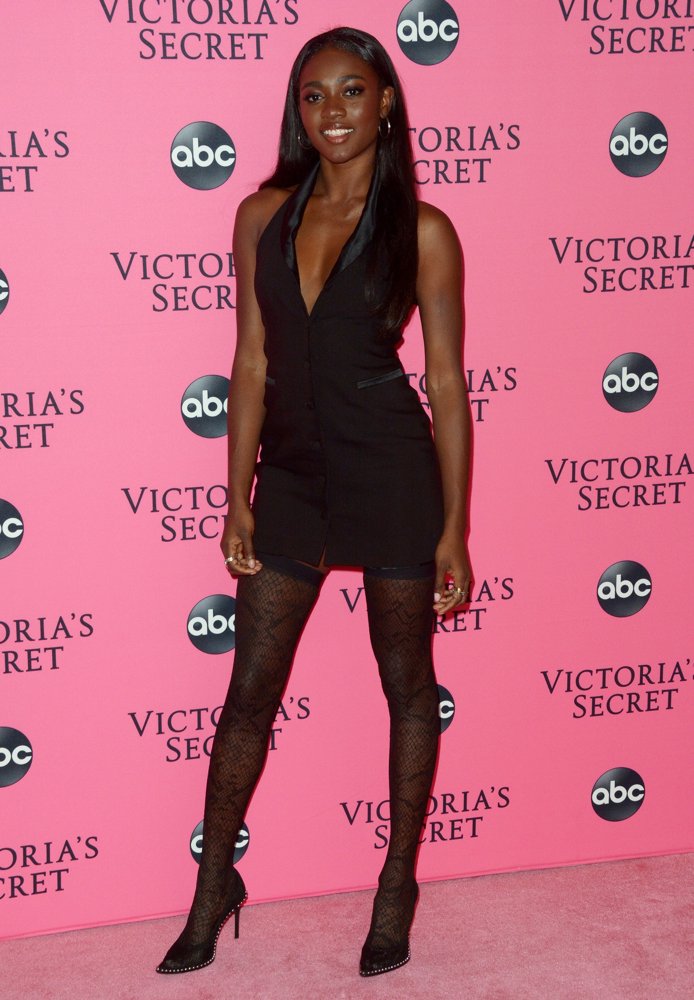
Zuri Tibby
Victoria's Secret Fashion Show Viewing Party - Red Carpet Arrivals
Dec 2, 2018

⭐Featured Celebrities