Anoushka Hemangini Shankar, born on June 9, 1981, in London, is a British-American sitar player, composer, and occasional writer and actress whose career has defied easy categorization. As the daughter of the legendary Indian sitar virtuoso Ravi Shankar, she was immersed in music from birth, yet she has carved out a singular path that bridges the classical traditions of her heritage with the experimental edge of contemporary and electronic sounds. A prolific recording artist and a tireless live performer, Shankar has become one of the most prominent and influential figures in world music, earning a remarkable fourteen Grammy Award nominations and a historic place as the first musician of Indian origin to both perform live and serve as a presenter at the Grammy ceremony.
Shankar’s early life was steeped in the rich musical environment created by her father and her mother, Sukanya Rajan, who was a singer and dancer. She began studying the sitar with her father at the age of seven and gave her first public performance at the age of nine. By her late teens, she had already toured extensively with Ravi Shankar, developing a profound technical command of the instrument that would later allow her to expand its sonic possibilities. Her debut album, Anoushka, was released in 1998 when she was just sixteen, showcasing her prodigious talent within the traditional raga framework. This was followed by albums like Anourag and Live at Carnegie Hall, which solidified her reputation as a classical prodigy, but it was her subsequent work that truly defined her artistic identity.
As she matured, Shankar began to push the boundaries of the sitar, moving beyond pure classical performance into fusion and genre-blending territory. Her 2005 album Rise marked a significant turning point, incorporating elements of flamenco, electronica, and jazz, and it earned her a Grammy nomination for Best World Music Album, making her the youngest-ever nominee in that category. This trajectory continued with Breathing Under Water (2007), a full-length collaboration with the tabla player and electronic producer Karsh Kale, which seamlessly wove together ambient textures, downtempo beats, and Eastern melodies. Throughout this period, she also collaborated extensively with her father, with their joint project Traveller (2011) earning another Grammy nod and exploring the deep connections between Indian classical music and Spanish flamenco.
Beyond her studio work, Shankar has established herself as a fearless and collaborative live artist, performing at major festivals and venues around the world. She has worked with a diverse array of musicians, from the jazz pianist Herbie Hancock to the electronic duo The Chemical Brothers, and her 2019 album Reflections featured reworkings of her father’s compositions, while Love Letters (2023) delved into deeply personal and introspective themes. In addition to her musical accomplishments, she has contributed to the literary world as an occasional writer and has appeared as an actress in a few film projects. As a mother and a public figure, she has also spoken openly about her experiences with trauma and healing, using her platform to advocate for social causes. With her relentless innovation and deep respect for tradition, Anoushka Shankar continues to redefine the role of the sitar in global music, ensuring that her father’s legacy evolves into a vibrant, modern voice of its own.
⭐
Similar Celebrities

📷
Recent Photos
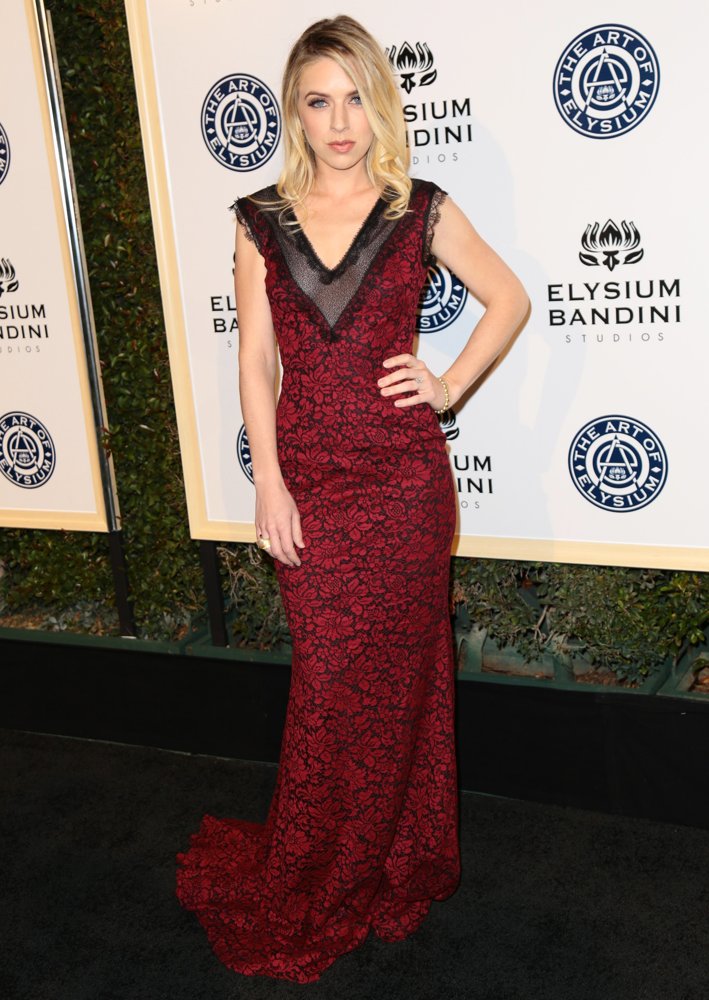
ZZ Ward
The Art of Elysium Presents Stevie Wonder's HEAVEN - Celebrating The 10th Anniversary
Jan 7, 2017

ZZ Ward
2014 ESPYS Awards - Arrivals
Jul 16, 2014
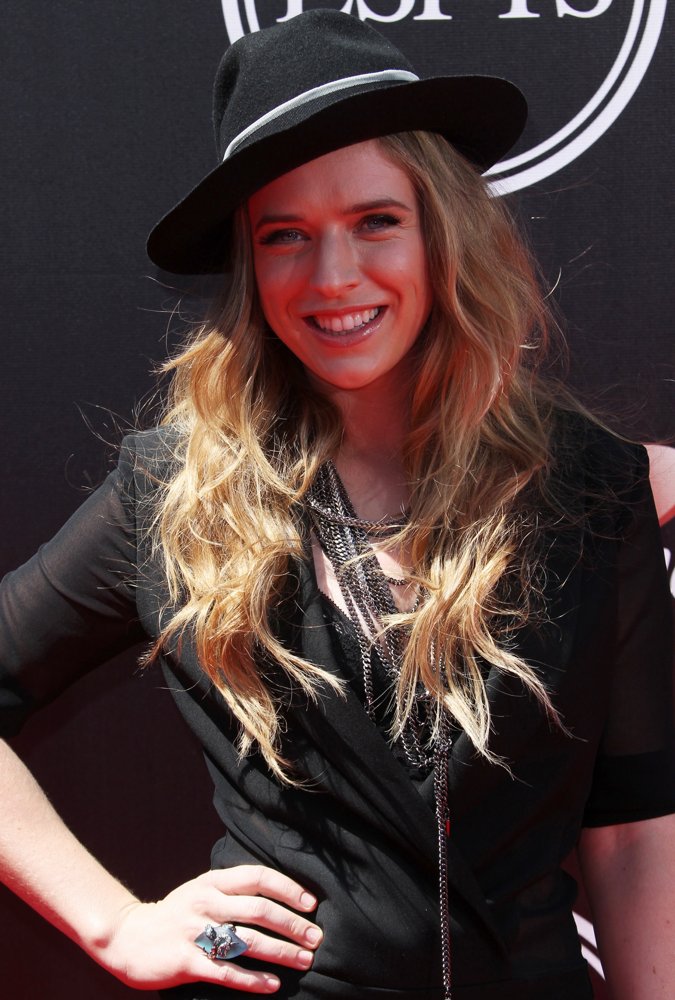
ZZ Ward
2014 ESPYS Awards - Arrivals
Jul 16, 2014
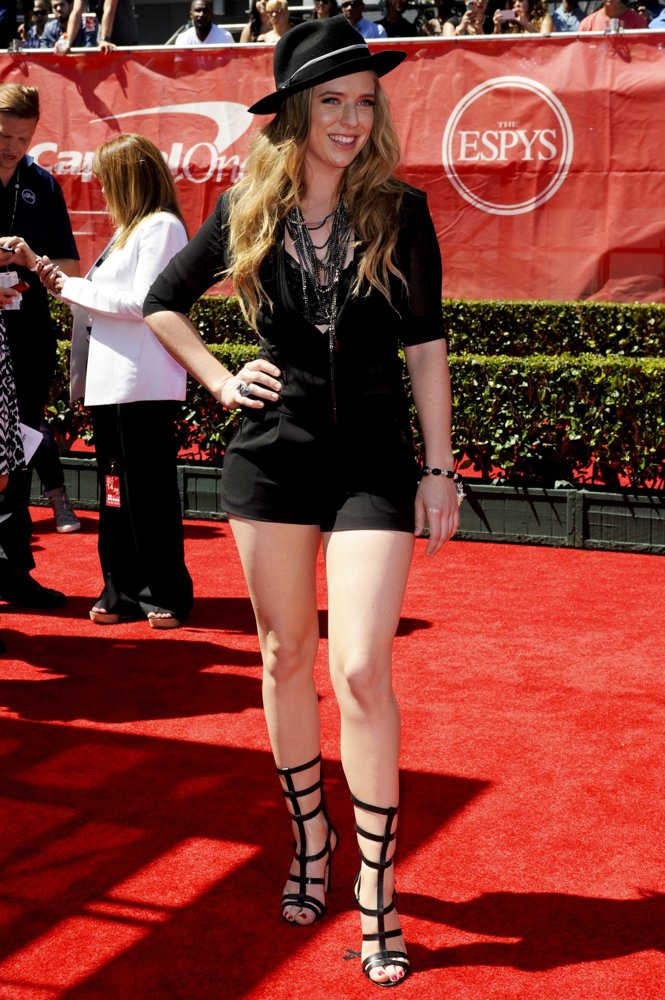
ZZ Ward
2014 ESPYS Awards - Arrivals
Jul 16, 2014

Esther Zynn
Nickelodeon's 2016 Kids' Choice Awards - Arrivals
Mar 12, 2016

Esther Zynn
Nickelodeon's 2016 Kids' Choice Awards - Arrivals
Mar 12, 2016





⭐Featured Celebrities