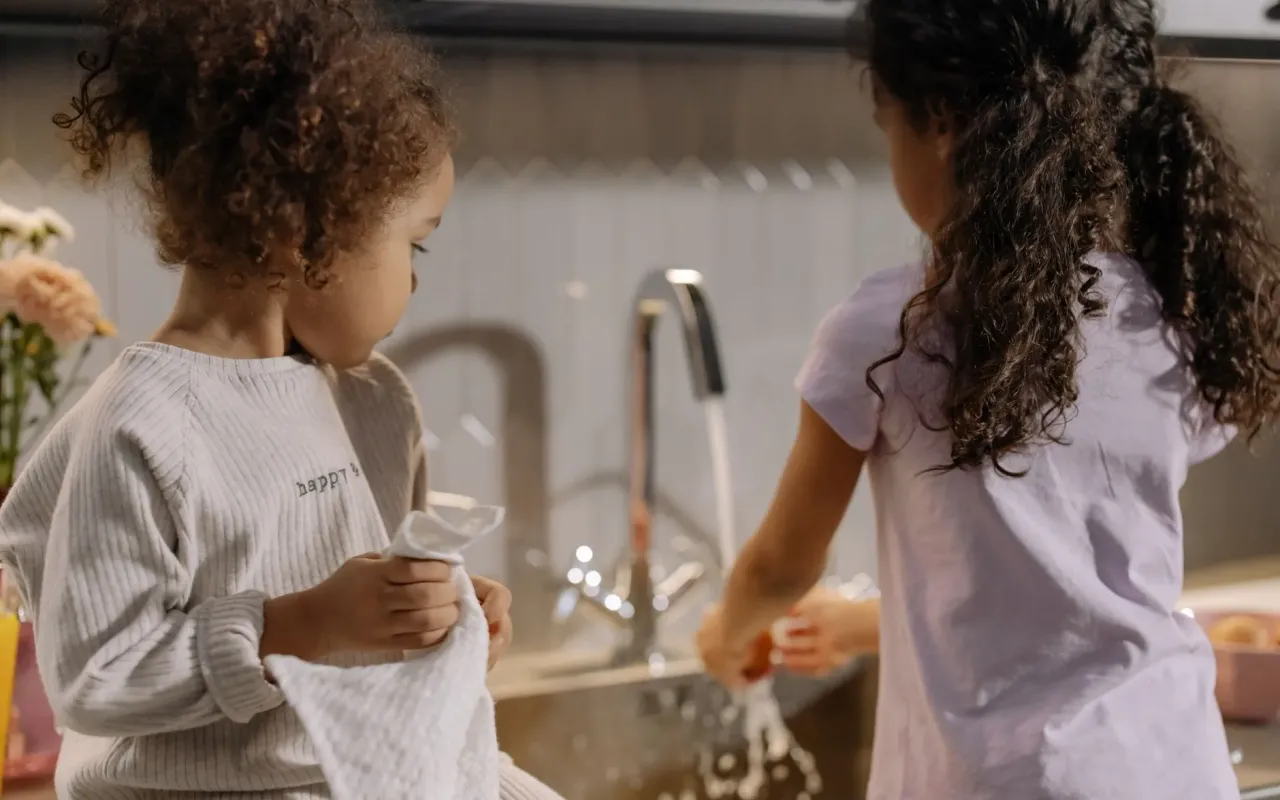
A realistic age-by-age guide to kids' chores, from toddler toy pickup to teen laundry, plus how to set it up so it actually sticks.
- November 29, 2026
AceShowbiz - My neighbor once confessed that her nine-year-old had never loaded a dishwasher. Not because he couldn't — because she'd never asked. She assumed he'd break something, or do it wrong, or take forty minutes and flood the kitchen. Then one Saturday she handed him a plate and a rinse cycle, and he did it in ninety seconds. She stood there feeling vaguely robbed of nine years of help.
That's the quiet trap of chores: parents often wait for a "ready" moment that never arrives on its own. The research says something different. Kids who do chores from an early age tend to be more responsible, more independent, and — according to a well-known longitudinal study out of the University of Minnesota — more likely to finish college, get a full-time job, and hold a steady relationship in their mid-twenties. The chore itself isn't magic. The habit of being a contributing member of a household is.
Here's a practical, honest breakdown of what kids can actually handle at each stage, plus how to set it up so it doesn't turn into a nightly standoff.
Why Chores Matter More Than You Think
Let's get the "so what" out of the way first. Chores are not about getting free labor (though that's a nice side effect). They're about competence, and competence is what builds confidence. A kid who can make their own bed, pack a lunch, and run a load of laundry by age twelve has a stack of small proofs that they can handle the world. That stack matters when they hit high school, college, and their first apartment.
There's also a real-life data point worth knowing: the earlier kids start doing chores, the more likely they are to keep doing them. Kids who start around ages three to four tend to see chores as a normal part of family life. Kids who start at nine or ten often see them as a punishment or a negotiation. The window is wide, but starting early genuinely pays off.
And yes, chores build executive function — the mental skills behind planning, focus, and following through. Sorting laundry means categorizing. Setting the table means sequencing. Feeding a pet means remembering something that isn't about you. These are the exact skills teachers wish every kid walked in with.
Practical tip: Frame chores as "how we take care of our home," not "chores." Language shapes attitude. "Time to help the family" lands very differently than "time to do your chores."
Ages 2 to 3: The "Helper" Stage
At this age, your toddler is not actually helping. They are slowing you down. And that's fine — the goal here is participation, not productivity. Kids this age love to imitate, so the smart move is to invite them into tasks you're already doing rather than assigning anything.
What actually works at this stage: putting toys in a bin (with you), wiping a spill with a rag, putting dirty clothes in a hamper, throwing a diaper or wrapper in the trash, and "helping" stir something in a bowl. None of this will be done well. A two-year-old putting toys in a bin is basically a two-year-old dumping them back out. That's not the point.
The point is the identity: "I'm a person who helps." Kids who hear that early internalize it. Kids who hear "just let me do it, you'll make a mess" learn that helping is someone else's job — and that lesson is much harder to unlearn later.
Practical tip: Make it a game with a song or a countdown. "Can we get all the blocks in the bin before I count to twenty?" You'll get more cooperation out of a toddler with a timer than with a lecture.
What to skip at this age
- Anything involving glass, knives, or hot surfaces
- Tasks with more than two steps (they'll lose the thread)
- Anything that requires "doing it right" — this is not the stage for standards
Ages 4 to 6: Real (Small) Responsibilities
This is where chores start to feel real. A four- to six-year-old can genuinely contribute, and they usually want to. The trick is keeping tasks short, specific, and visible. "Clean your room" is too vague. "Put all the books on the shelf and all the stuffed animals in the basket" is doable.
Good fits at this age: making their bed (loosely — perfection is not the goal), setting the table, putting away silverware from the dishwasher, sorting laundry by color, feeding a pet with supervision, watering plants, and wiping down counters with a damp cloth. A five-year-old can absolutely put their own shoes and backpack by the door each morning.
One thing to watch: this is the age when kids start comparing themselves to siblings and friends. If one kid gets "easier" chores, you'll hear about it. The fix is to make the chore chart visible and rotate jobs weekly so everyone gets a turn at the "fun" ones (yes, some kids love vacuuming).
Practical tip: Use pictures on the chore chart for pre-readers. A little drawing of a bed, a plate, and a laundry basket communicates more than words at this age — and it makes the routine feel like a checklist they can "win."
Ages 7 to 9: Building Independence
By seven or eight, kids can handle multi-step tasks and follow through without constant supervision. This is the sweet spot for building real independence, because they're old enough to do a job properly but young enough to still think it's cool to be trusted.
Chores that fit here: sweeping floors, folding and putting away their own laundry, packing their own school lunch (with a checklist on the fridge), taking out the recycling, loading and unloading the dishwasher, raking leaves, and cleaning their room weekly. A nine-year-old can absolutely learn to run a washing machine with a quick lesson and a posted cheat sheet.
This is also the age where you can start tying chores to a small allowance if that fits your family's philosophy — but be thoughtful about it. Research suggests that tying all chores to money can backfire, because kids start to see helping as a transaction. A common approach: basic chores are just part of being in the family, and extra jobs (washing the car, cleaning out the garage) can earn money.
Practical tip: Don't redo their work in front of them. If the bed is lumpy or the folded towels are crooked, leave it. The message "your effort was pointless" is far more expensive than a lumpy bed.
Ages 10 to 12: The Capable Years
Ten- to twelve-year-olds are more capable than most parents give them credit for. They can cook simple meals, do their own laundry start to finish, mow a lawn, walk a dog, babysit a younger sibling for short stretches, and clean a bathroom with proper instructions. They can also handle a schedule — meaning they can be responsible for a weekly task without daily reminders.
This is the age to shift from "I assign, you do" to "here's your job, here's the deadline, tell me if you need help." That shift is uncomfortable, because the first few weeks will involve missed deadlines and half-done jobs. Push through it. The whole point is that they learn to manage a task without you standing over them.
One honest note: kids this age are busy, and they'll push back. That's normal. Hold the line on a small number of non-negotiables (their own laundry, their own dishes, their own space) and be flexible on the rest. You're not running a boot camp — you're building habits that will outlast your reminders.
Practical tip: Give them real ownership of one task. "You're in charge of the recycling. If it doesn't get out Tuesday night, it sits for a week." Natural consequences teach faster than nagging.
Ages 13 to 18: Real Life Skills
By the teen years, chores should look like life skills. Cooking a full meal, doing laundry including stain treatment, cleaning a bathroom properly, changing a tire, budgeting for groceries, mowing the lawn, and managing their own schedule. These aren't "chores" anymore — they're the things they'll need to do in a dorm or first apartment, and the teens who've practiced them are the ones who don't call home every time the washing machine beeps.
Teens can also take on bigger responsibilities: a part-time job, helping with younger siblings, running errands, or managing a household project like cleaning out the garage. Give them something with visible stakes. Teens who feel useful at home are less likely to check out entirely.
The hardest part is stepping back. By sixteen, your kid should be doing their own laundry without a reminder, packing their own lunches, and handling basic kitchen cleanup. If they aren't, start now — but start small and be patient. You're not failing if it takes a month to build the habit. You're just catching up.
Practical tip: Do a "launch checklist" with your teen — a list of the ten life skills they should be able to do before they leave home. Tape it inside a cabinet. It turns chores into a shared goal instead of a nightly argument.
How to Make Chores Actually Stick
Here's the part most chore guides skip: the system matters more than the task. Kids don't resist chores nearly as much as they resist chaos, inconsistency, and being nagged. A few things that genuinely help:
- Make it visible. A chart on the fridge beats a mental list every time.
- Keep it short. Ten to fifteen minutes of chores a day is plenty for most kids.
- Do them together. A family cleanup for twenty minutes on Saturday morning works better than five separate solo assignments.
- Don't tie everything to money. Some tasks are just part of being in a family.
- Let them fail sometimes. A missed task with a natural consequence teaches more than a lecture.
The goal isn't a spotless house. It's a kid who grows up knowing how to take care of themselves and the people around them. Start where your child is, not where you wish they were — and give it a few weeks before you decide it isn't working.
And if your kid is nine and has never loaded a dishwasher? Hand them a plate tonight. They'll figure it out faster than you think.