Skip the $8 sprays and toxic fumes. Learn how to make natural cleaning products from vinegar, castile soap, and baking soda that actually work.
- September 22, 2026
AceShowbiz - Walk down the cleaning aisle at any Target and you'll see shelves lined with neon-colored sprays, each promising to obliterate germs and leave your home smelling like a tropical waterfall. Flip one over and you'll find a list of ingredients you can't pronounce, a "keep out of reach of children" warning, and a price tag creeping toward ten dollars. Meanwhile, a gallon of white vinegar costs about three bucks and cleans almost everything those fancy bottles do.
Here's the part that surprises most people: the EPA has found that indoor air can be two to five times more polluted than outdoor air, and a big chunk of that comes from household cleaning products. Volatile organic compounds (VOCs) from conventional cleaners off-gas into your kitchen and bathroom while you scrub. Making your own cleaners isn't just a crunchy lifestyle choice — it's a practical way to save money, cut plastic waste, and stop breathing in chemicals you never signed up for. The good news? You already own most of what you need.
Start With Four Cheap Ingredients and One Good Spray Bottle
You don't need a chemistry degree or a cabinet full of exotic oils. Nearly every effective DIY cleaner comes down to four workhorses: white distilled vinegar, baking soda, castile soap, and water. Vinegar is acidic, which means it dissolves mineral deposits, cuts through soap scum, and kills many types of bacteria and mold. Baking soda is a mild abrasive that scrubs without scratching and neutralizes odors. Castile soap — a vegetable-oil-based soap like Dr. Bronner's — is a gentle surfactant that lifts grease and grime. Water is, well, water.
Beyond those four, a few add-ons earn their shelf space. Rubbing alcohol (or vodka) disinfects and helps solutions evaporate faster, which matters on glass. Hydrogen peroxide is a legit disinfectant and a stain remover for grout and cutting boards. Essential oils like tea tree, lavender, and lemon add scent and some antimicrobial punch, though they're the least essential item on the list. Skip anything labeled "fragrance oil" — it's synthetic and defeats the purpose.
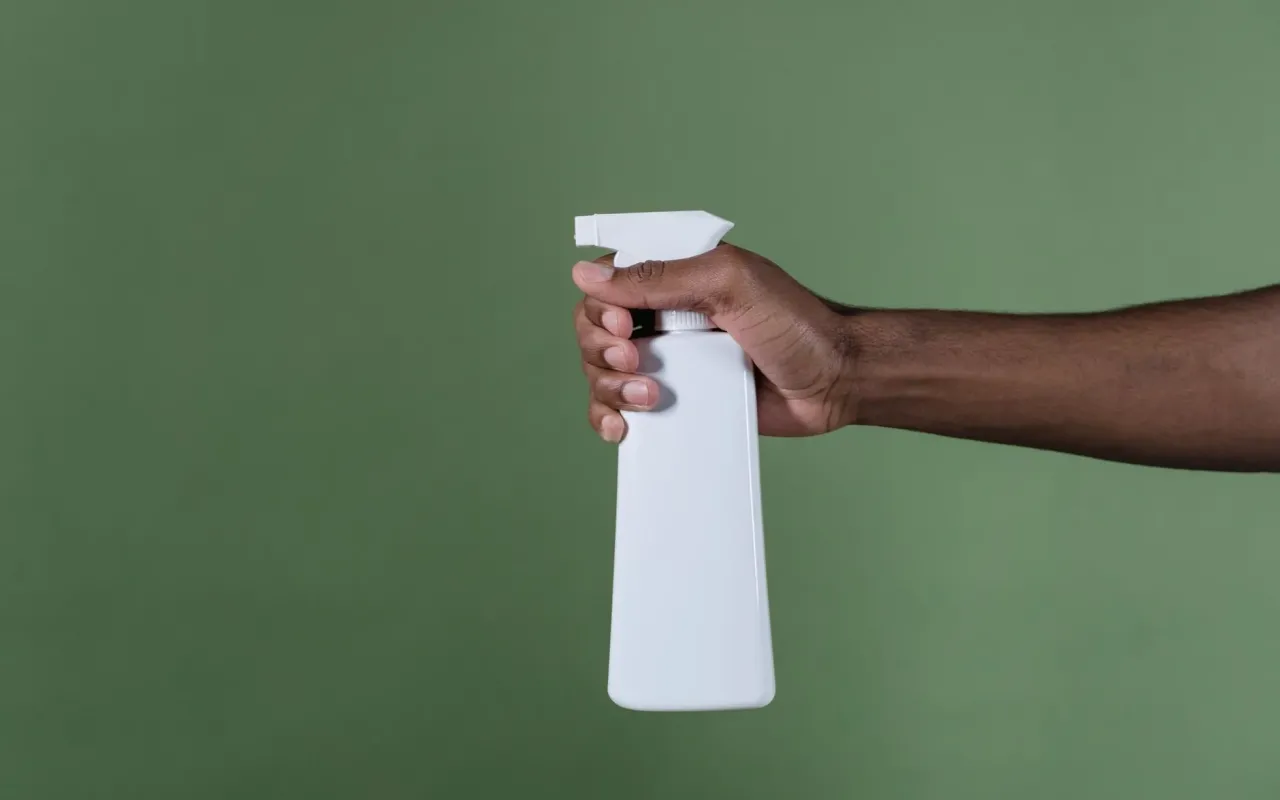
For gear, grab a few amber or clear glass spray bottles. Why glass? Because vinegar and citrus oils can degrade plastic over time and leach chemicals into your solution. A 16-ounce glass bottle with a quality spray nozzle runs about $6 to $10 and lasts years. Add a couple of microfiber cloths and a stiff-bristle brush, and you're fully equipped.
Practical tip: Label every bottle with a permanent marker or masking tape listing the ingredients and the date you mixed it. DIY cleaners don't have preservatives, so you'll want to know how old they are.
The All-Purpose Spray That Replaces Half Your Cabinet
If you make only one thing from this article, make this. An all-purpose spray handles countertops, sinks, stovetops, cabinet fronts, and most hard surfaces in your home. The recipe is almost embarrassingly simple: mix one part white vinegar with one part water in a spray bottle. That's it. For a 16-ounce bottle, that's one cup of each.
Want it to smell less like a salad dressing? Add 10 to 15 drops of tea tree or lavender essential oil. Tea tree brings genuine antibacterial properties, while lavender softens the vinegar smell. Shake before each use, since oil and water separate. Spray, let it sit for 30 seconds to a minute, then wipe with a microfiber cloth.
One important caveat: never mix vinegar with castile soap in the same bottle. The acid in vinegar breaks down the soap into a curdled, useless mess. If you want the grease-cutting power of soap, use it separately. A good soap-based spray is a quarter cup of castile soap in 16 ounces of water, which is gentler and better for greasy kitchen messes.
Also, avoid vinegar on natural stone. Marble, granite, and travertine are calcium-based, and acid etches them permanently. Use the castile soap spray or plain warm water on those surfaces instead. This is the single most common mistake people make when they switch to DIY cleaners, and it's an expensive one to fix.
Scrubs, Pastes, and Powders for the Tough Stuff
Some messes need grit, not spray. That's where baking soda shines. For a general scouring powder, mix one cup of baking soda with 15 to 20 drops of essential oil and store it in a shaker jar with holes punched in the lid. Sprinkle it on sinks, tubs, and stovetops, scrub with a damp sponge, and rinse. It's gentle enough for most surfaces but aggressive enough to lift baked-on food.
For really stubborn jobs — burnt pots, stained grout, the ring around the bathtub — make a paste. Combine three parts baking soda with one part water (or one part castile soap for extra degreasing power) until it forms a thick frosting-like consistency. Spread it on the problem area, let it sit for 10 to 15 minutes, then scrub. The paste clings to vertical surfaces like tile walls instead of running off, which is exactly why it works better than a spray in the shower.
Here's a fun bit of kitchen chemistry: baking soda plus vinegar creates a fizzing reaction that's great for unclogging drains and loosening grime in tight spots. Pour half a cup of baking soda down a drain, follow it with one cup of vinegar, let it bubble for 10 minutes, then flush with hot water. It won't replace a plumber for a serious clog, but it handles slow drains and odors beautifully.
Practical tip: Keep a dedicated jar of baking soda under the sink for cleaning, separate from the box you cook with. Cross-contamination with raw meat juices or cleaning residue is a real risk.
Glass, Disinfectant, and the Recipes That Need Precision
Streaky windows are the number one complaint about DIY glass cleaner, and the fix is all about ratios. Mix one cup of water, one cup of rubbing alcohol, and one tablespoon of white vinegar in a spray bottle. The alcohol evaporates quickly and prevents streaks, while the vinegar cuts through film. Spray on glass, wipe with a microfiber cloth, then buff with a dry cloth for a spotless finish. Avoid cleaning windows in direct sunlight — the solution dries too fast and leaves marks.
For a true disinfectant, you need something that actually kills germs, not just wipes them away. Vinegar kills some bacteria and mold but is not an EPA-registered disinfectant. Hydrogen peroxide is. Keep a bottle of 3% hydrogen peroxide in a dark spray bottle (light degrades it) and spray it on cutting boards, countertops, and bathroom fixtures. Let it sit for at least one minute before wiping. You can also use 70% isopropyl alcohol for a fast-drying disinfectant on high-touch surfaces like doorknobs and light switches.
If you want a scented disinfecting spray, combine one cup of water, one cup of 70% rubbing alcohol, and 15 drops of tea tree or eucalyptus oil. This is your best bet for bathroom germs and kitchen counters after handling raw meat. Just remember that "natural" doesn't automatically mean "safe to ingest" — keep all of these out of reach of kids and pets, and never mix hydrogen peroxide with vinegar in the same bottle. Combined, they form peracetic acid, which is corrosive.
Where DIY Cleaners Fall Short — and What to Buy Instead
Honest talk: DIY cleaners aren't magic, and pretending otherwise sets you up for disappointment. They struggle with a few specific jobs. Hard water stains that have built up for years often need a commercial acid-based cleaner or a dedicated pumice stone. Mold on caulk in a humid bathroom usually requires a bleach-based product to fully kill the roots. And if someone in your home has a compromised immune system or you're dealing with norovirus, you want a hospital-grade disinfectant, not a vinegar spray.
Dishwashing is another spot where DIY falls flat. Homemade dishwasher detergent tends to leave film and doesn't perform as well as commercial pods, especially in hard water. You can absolutely make your own, but most people find the results mediocre. A reasonable compromise is buying a fragrance-free, phosphate-free commercial detergent and saving your DIY energy for sprays and scrubs, where the results are genuinely comparable.
Laundry detergent is more forgiving. A simple mix of one cup of washing soda, one cup of borax, and one bar of grated castile soap handles most loads, though it works best in soft water. For a fabric softener alternative, add half a cup of white vinegar to the rinse cycle — it softens clothes, reduces static, and strips detergent residue. Your towels will thank you.
Practical tip: Don't try to convert your entire cleaning routine overnight. Pick two products to replace first — usually the all-purpose spray and the glass cleaner — and live with them for a month. Once you see they work, swap the next one. A gradual transition sticks; a total overhaul usually ends with a cabinet full of half-used DIY experiments and a trip back to the store.
The bottom line is that making your own cleaners is less about being perfect and more about being intentional. You'll save real money — a family spending $30 a month on cleaning products can cut that to under $10 — and you'll know exactly what's in the air your kids are breathing. Start with vinegar, baking soda, and a good glass bottle. Your wallet and your lungs will both notice the difference.