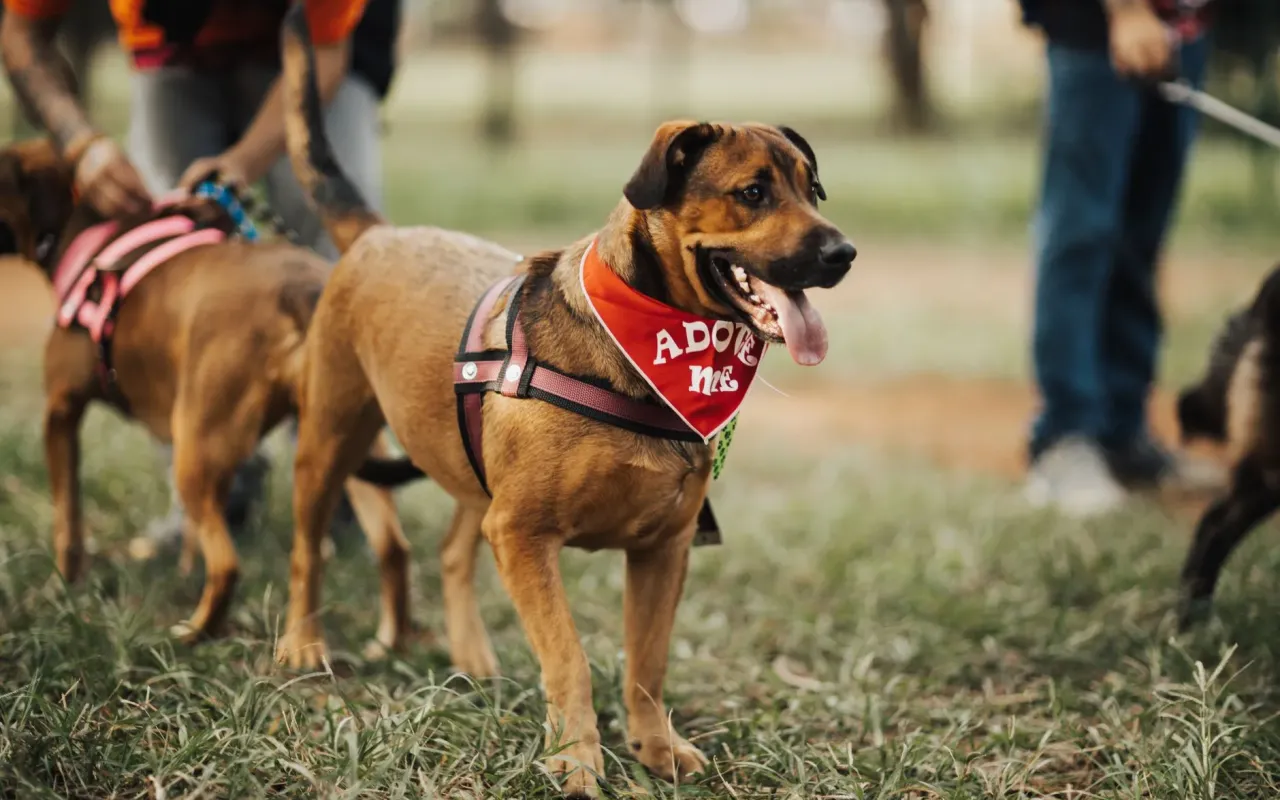
Rescue pets come with hidden challenges and joys. Learn what shelters won't say, how to prepare your home, and why the first 30 days matter most.
- July 16, 2026
The Honest Truth Shelters Don't Always Share
When I walked into my local shelter three years ago, I expected to meet a grateful, tail-wagging dog who'd instantly bond with me. Instead, I found a trembling, underweight pit bull mix who pressed himself against the back of his kennel and wouldn't make eye contact. The volunteer handed me his file and said cheerfully, "He's just shy." What she didn't say was that he'd been returned twice, had never lived in a house with stairs, and was terrified of men wearing hats.
That experience taught me something crucial: rescue animals come with invisible baggage, and most well-meaning adoption counselors gloss over the hard parts. They want to find homes, and they're not wrong to be optimistic. But you deserve the full picture before you sign those papers. A 2022 study from the ASPCA found that approximately 20% of adopted pets are returned within six months, often because owners weren't prepared for behavioral issues that surfaced after the "honeymoon period" ended.
So let's strip away the romanticized Instagram posts and talk about what actually happens when you bring a rescue animal home. Because if you're willing to do the work, the payoff is something no breeder can replicate.
Before You Adopt: The Self-Assessment That Saves Heartbreak
Most people start their adoption journey by scrolling Petfinder and falling in love with a face. That's exactly how I ended up with my second rescue, a senior cat named Mabel who had kidney disease and needed subcutaneous fluids every other day. I was 27, working 50-hour weeks, and living in a fifth-floor walkup. The shelter told me she was "low maintenance." She was not.
Before you even open a shelter's website, ask yourself three hard questions. First, what's your realistic budget? The first year of owning a rescue dog can cost between $1,500 and $5,000 when you factor in vet visits, quality food, training classes, and unexpected medical issues. Second, what's your daily schedule really like? If you leave home at 7 AM and return at 7 PM, a high-energy herding breed like an Australian Shepherd will destroy your couch out of sheer frustration. Third, what's your living situation in five years? Pets live a decade or longer, and your life will change. If you're planning kids, a move, or a career shift, choose an animal whose temperament can flex with those changes.
Practical tip: Create a "worst-case scenario" budget for the first three months. Include $500 for emergency vet care, $200 for behavioral training, and $150 for replacing whatever gets chewed. If that number makes you uncomfortable, you're not ready to adopt yet.
The Personality Test Most Adopters Skip
Shelters often let you meet a pet in a small, quiet room for ten minutes. That's like judging a person's character based on how they behave in an elevator. Instead, ask to see the animal in different contexts. Can you walk the dog outside where there are cars, other dogs, and squirrels? Can you observe the cat when a stranger enters the room? One shelter I visited allowed me to drop a metal bowl near a potential adoptee—the dog who flinched and hid likely had noise sensitivity, which means fireworks season would be a nightmare.
Also, talk to the volunteers who clean the kennels. They see the animals at 6 AM when they're groggy, at noon when they're bored, and at night when they're anxious. They know which dog resource-guards his food bowl and which cat hides in her carrier for three days after any visitor arrives. That information is gold, and it's rarely in the official file.
The First 72 Hours: Why Your Home Will Feel Like a War Zone
You bring your new rescue through the front door. You've set up a cozy bed, bought premium kibble, and prepared a spot for the crate. Your new pet walks in, sniffs once, and then hides under the sofa for six hours. Or maybe they zoom around the house, knock over a lamp, and pee on your rug. Both reactions are normal, and neither means you've made a mistake.
Rescue animals are in sensory overload. Your home smells different from the shelter, sounds different (no echoey concrete floors, but now there's a refrigerator hum and traffic outside), and feels different. Many have never seen a television, a ceiling fan, or a mirror. My first rescue spent an entire afternoon barking at his own reflection in the patio door. It sounds funny now, but at the time I was convinced I'd adopted a neurotic mess.
Practical tip: For the first three days, confine your new pet to one small, safe room. Set up their bed, water, food, and a potty area (pads or a litter box) in that room. Visit them frequently but don't force interaction. Let them come to you. This reduces their cortisol levels and builds trust faster than any amount of petting or coaxing.
Debunking the "Rescue Pets Are Grateful" Myth
There's a pervasive narrative in rescue culture that adopted animals somehow know you saved them and will therefore be eternally loyal and easy to train. I believed this myself until my third rescue, a cat named Jasper, bit me hard enough to draw blood when I tried to trim his nails. He was not grateful. He was terrified, and his survival instincts kicked in.
The truth is that animals don't understand concepts like "rescue" or "adoption." They live entirely in the present moment. Your rescue dog doesn't know you pulled them from a kill shelter; they only know that you're the person who keeps approaching them with scary nail clippers. This realization is liberating because it removes the pressure to be the perfect savior. Your pet doesn't owe you gratitude. You owe them patience, consistency, and a safe environment where they can learn to trust at their own pace.
Data from the Journal of Veterinary Behavior suggests that rescue dogs take an average of three months to fully decompress and show their true personality. That means the dog you meet at the shelter might be a quiet, shut-down version of themselves. The real dog—the one who steals socks, demands belly rubs, or chases shadows—won't emerge until weeks later. And that's a good thing. It means they feel safe enough to be themselves.
The 3-3-3 Rule for Rescue Animals
Experienced rescuers live by the 3-3-3 rule: three days to decompress, three weeks to learn your routine, and three months to feel at home. During the first three days, your job is to be boring. No visitors, no trips to the dog park, no new toys. Just food, water, potty breaks, and quiet presence. In weeks two through four, you can slowly introduce short walks, basic commands, and one or two safe toys. By month three, you'll start seeing the animal's genuine personality, and that's when you can begin more advanced training or socializing.
I've seen well-meaning adopters ruin this process by throwing a "welcome home" party on day two. The overwhelmed dog then acts out, the owner gets frustrated, and the animal ends up back at the shelter. Don't be that person. The most loving thing you can do is be boring for a while.
Training a Rescue: It's Not About Dominance, It's About Safety
Many rescue animals come with behavioral quirks that stem from trauma. They might flinch when you raise your hand, panic when they see a broom, or become aggressive around other dogs while eating. Traditional training advice often focuses on "showing who's boss," but that approach can backfire spectacularly with a traumatized animal. A 2019 study in Applied Animal Behaviour Science found that aversive training methods (yelling, leash jerks, alpha rolls) actually increase stress hormones in dogs and can worsen aggression.
Instead, focus on building a language of safety. Teach your rescue that you will not hurt them, that your presence predicts good things, and that they have choices. For example, if your dog is scared of the leash, don't just strap it on and drag them out the door. Leave the leash on the floor for a week. Drop treats near it. Then pick it up and hold it while giving treats. Then gently clip it on for one second, then two, then five. This process might take two weeks, but it teaches the dog that the leash means cookies, not captivity.
Practical tip: Find a trainer who uses force-free, positive reinforcement methods and who has specific experience with rescue animals. Ask them directly: "How do you handle a dog who resource-guards?" or "What's your approach to a cat who hides for days?" If they mention "dominance" or "alpha," walk away. Those concepts have been debunked by modern animal behavior science.
Health Surprises: The Hidden Costs of Rescue
Shelters do their best to vet animals before adoption, but they operate on tight budgets. Your new pet might have been given a basic exam, vaccinations, and spay/neuter surgery, but underlying issues often go undetected. My friend adopted a seemingly healthy two-year-old cat who turned out to have advanced dental disease requiring $1,200 in extractions. Another friend's rescue puppy had a heart murmur that wasn't caught until their first vet visit.
This isn't a reason to avoid rescue—it's a reason to budget for the unexpected. Ask the shelter for all medical records they have, including any notes from foster families. Then take your new pet to your own vet within the first week. Request a full blood panel, fecal exam, and dental check. Some vets offer a "new pet package" that bundles these services at a discount. Also, consider pet insurance before any pre-existing conditions are documented. Companies like Healthy Paws and Trupanion cover accidents and illnesses but won't cover conditions that appeared before the policy started.
Practical tip: Set up a separate savings account for pet emergencies and deposit $25 per week. In one year, you'll have $1,300 set aside. This simple habit has saved countless rescue animals from being surrendered due to a single expensive vet bill.
When It Doesn't Work Out: How to Know and What to Do
Sometimes, despite your best efforts, the match isn't right. Maybe your new dog is aggressive toward your existing cat. Maybe your landlord changes their pet policy. Maybe you develop a severe allergy. Or maybe the animal's anxiety is so profound that their quality of life is suffering in your home. This is not a moral failure. It is a reality of rescue work, and pretending otherwise leads to suffering for both you and the animal.
Before you return the pet to the shelter, exhaust every other option. Contact the rescue organization and ask if they offer behavioral support. Many reputable rescues have trainers on staff or can connect you with low-cost resources. Reach out to breed-specific rescues or animal behaviorists who might offer sliding-scale fees. Post in local pet groups asking for advice or temporary foster care while you work through the issues.
Practical tip: When you adopt, ask the shelter about their return policy. Some require you to return the animal to them specifically, while others allow you to rehome independently. Knowing this upfront prevents panic decisions. And if you do return the animal, don't let guilt stop you from trying again with a different pet later. Many people's second rescue is the perfect match because they learned what they couldn't handle the first time.
The Unexpected Joy: What Rescue Animals Teach Us
My first rescue, that trembling pit bull who hid in his kennel, now sleeps with his head on my pillow every night. He still hates hats and gets nervous around loud men, but he's also the most intuitive creature I've ever known. When I'm sad, he presses his warm body against my legs. When I'm stressed, he rests his chin on my knee and sighs. He didn't come pre-programmed with these skills. We built them together, day by day, through trust and consistency.
Rescue animals teach you things no textbook can. They teach you that love is not a feeling but a series of small, repeated actions. They teach you that healing is nonlinear—good days and bad days, progress and setbacks. They teach you that every living being deserves a second chance, even if they don't know how to ask for it. And they teach you that the most meaningful relationships are often the ones that require the most work.
If you're ready for that journey, a rescue animal will change your life in ways you can't predict. Just go in with open eyes, a patient heart, and a realistic budget. That's the real adoption guide, and it's the one that will make both of you successful.