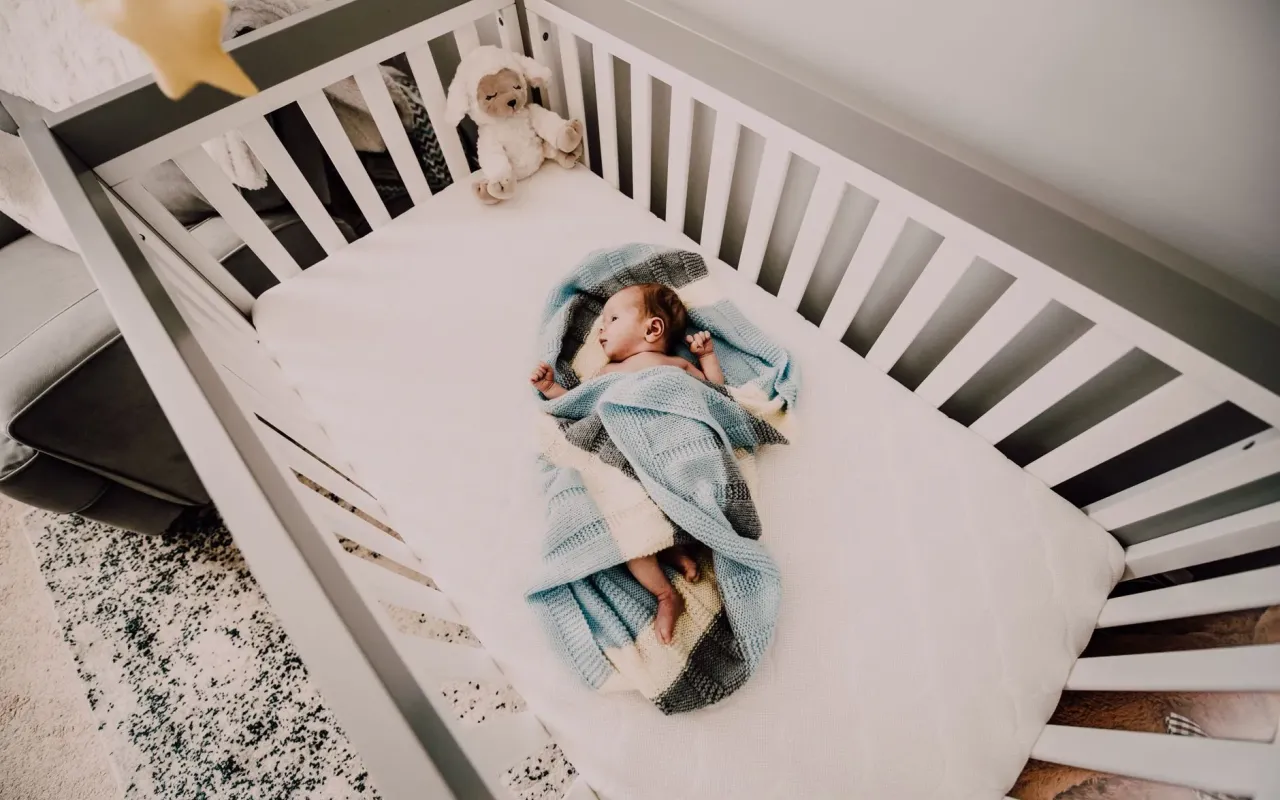
Tired of conflicting advice on baby sleep? This guide cuts through the noise with practical, evidence-based tips to reduce SIDS risk and help your baby sleep safely.
- June 15, 2026
The Silent Alarm: Why Safe Sleep Isn't Just About Being Comfortable
You've probably seen the photos on social media—a baby swaddled in a fluffy blanket, surrounded by stuffed animals, sleeping peacefully in a crib that looks more like a cloud than a bed. It's adorable. It's also potentially dangerous. Every year, approximately 3,500 infants in the United States die from sleep-related deaths, including Sudden Infant Death Syndrome (SIDS) and accidental suffocation. The scary part? Many of these deaths are preventable with simple, consistent practices.
I remember the first night my own daughter came home from the hospital. My husband and I were terrified to put her down. We kept checking if she was breathing, adjusting her onesie, and second-guessing every decision. That anxiety is normal, but it doesn't have to rule your life. The key is knowing exactly what works—and what doesn't—based on decades of research from the American Academy of Pediatrics (AAP) and global health organizations.
Here's the unfiltered truth: safe sleep isn't about buying the most expensive mattress or following a trendy Instagram influencer. It's about creating a consistent, boring, and predictable sleep environment that minimizes risk. Let's break down exactly what that looks like, so you can stop worrying and start sleeping (even if it's just a few hours at a time).
The ABCs of Safe Sleep: A Framework You Can Actually Remember
The AAP has distilled safe sleep into three core principles: Alone, Back, and Crib. Think of it as your non-negotiable checklist every single time your baby sleeps—naps included. No exceptions, no "just this once." Because SIDS doesn't care if you're exhausted or if your baby is fussy.
Alone: No Bed-Sharing, No Soft Objects
Your baby should sleep alone in their own sleep space, ideally in the same room as you but not in your bed. Room-sharing reduces the risk of SIDS by up to 50%, according to a 2017 study in Pediatrics. But bed-sharing? That's a different story. The AAP strongly advises against it, especially for babies under 4 months old, premature infants, or if you've had any alcohol or medications that make you drowsy.
Think about it this way: an adult mattress is soft, has gaps between the bed and the wall, and often includes pillows and blankets that can cover a baby's face. Even if you're a light sleeper, you can't control your movements during deep sleep. Your baby's airway is tiny—about the diameter of a drinking straw. Any obstruction can be deadly in minutes.
Practical tip: Keep a bassinet or crib right next to your bed. You'll still hear every grunt and coo, but your baby has their own safe zone. If you're worried about convenience for night feeds, you can place the crib so the side is flush against your bed (but never with soft bedding or pillows bridging the gap).
Back: Always on Their Back, Never on Their Tummy or Side
This one is non-negotiable. The "Back to Sleep" campaign, launched in 1994, reduced SIDS rates by over 50% in the United States alone. Yet, some parents still put babies on their tummies because they think it helps with gas or that the baby "prefers" it. Here's the reality: tummy sleeping increases the risk of SIDS by 2 to 13 times, depending on the study.
Why? When babies sleep on their stomachs, they're more likely to re-breathe their own exhaled carbon dioxide, which can lead to low oxygen levels. They also have less ability to lift or turn their heads if they get into a dangerous position. Even side-sleeping is risky because babies can easily roll onto their tummies.
Actionable takeaway: From day one, put your baby on their back for every sleep—day and night. If they roll over on their own after 4-6 months, you don't need to flip them back. By then, they have the strength to move their head if needed. But until that milestone, you're the one in control.
Crib: A Firm, Flat Surface With Nothing Else
Your baby's sleep space should be boring. A firm mattress that doesn't indent when you press on it, a fitted sheet that's snug, and absolutely nothing else. No bumpers, no blankets, no pillows, no stuffed animals. These items might look cute, but they're suffocation hazards. A 2020 study from the Consumer Product Safety Commission found that 75% of sleep-related infant deaths involved soft bedding.
Real scenario: My cousin's baby was born in winter, and she was tempted to add a fleece blanket to the crib "just to keep him warm." Instead, she used a wearable blanket (a sleep sack) and kept the room at 68-72°F. Her baby slept just fine, and she avoided a common mistake. If you're worried about your baby being cold, check their neck or chest—if it feels warm, they're fine. Cold hands and feet are normal for infants.
Why Room-Sharing Works (But Bed-Sharing Doesn't)
You've probably heard conflicting advice about where your baby should sleep. Some cultures advocate for bed-sharing as a bonding practice, while others push for separate rooms from day one. Let's look at the evidence without the judgment.
The AAP recommends room-sharing for at least the first 6 months, ideally the first year. A 2017 meta-analysis in JAMA Pediatrics found that room-sharing reduces SIDS risk by 50%, likely because parents are more aware of their baby's breathing and position. But here's the catch: the baby must be in their own separate sleep space—a bassinet, crib, or play yard—not in your bed.
Bed-sharing is particularly dangerous when combined with other risk factors: smoking (even if you smoke outside), alcohol or drug use, extreme exhaustion, or if your baby was born prematurely or with low birth weight. Even without these factors, the risk is still elevated. A 2014 study in BMJ Open found that bed-sharing increased SIDS risk by 2.7 times for infants under 3 months, even in the absence of other risks.
Practical advice: If you're breastfeeding, bring your baby into bed for feeds, but put them back in their own space when you're done. Set up a side-car bassinet that attaches to your bed so you can easily reach them without sharing a surface. This gives you the bonding benefits of proximity without the suffocation risks.
The Hidden Dangers: What Most Parents Overlook
Even if you follow the ABCs, there are subtle mistakes that can increase SIDS risk. Let's address three common ones that often fly under the radar.
Overheating: The Silent Threat
Babies can't regulate their body temperature as well as adults. Overheating has been linked to SIDS, especially when combined with soft bedding or excessive clothing. Signs of overheating include sweating, damp hair, flushed cheeks, or rapid breathing. A 2015 study in Pediatrics found that room temperatures above 75°F significantly increased SIDS risk.
Actionable tip: Keep your baby's room between 68-72°F. Dress them in one more layer than you're comfortable wearing (e.g., a onesie plus a sleep sack). Check their chest or neck—if it's hot or sweaty, remove a layer. Trust the temperature, not the season. A winter baby doesn't need a winter coat to sleep.
Smoking and Secondhand Smoke: No Safe Level
This is one of the strongest risk factors for SIDS. Even if you only smoke outside or in another room, the residue clings to your clothes, hair, and skin. A 2016 study in Environmental Health Perspectives found that thirdhand smoke (the chemical residue left after smoking) can still be detected in carpets, furniture, and fabrics months later. Babies exposed to smoke have a 2-5 times higher risk of SIDS.
Hard truth: If you or your partner smoke, the safest choice for your baby is to quit entirely. If that's not possible, smoke only outside, wear a designated "smoking jacket" that you remove before holding the baby, and wash your hands and face thoroughly. Never smoke in the car or house, even with windows open.
Pacifiers: A Simple Tool That Works
Here's a surprising fact: using a pacifier during sleep has been shown to reduce SIDS risk by up to 50-90%, according to a 2015 meta-analysis in Pediatrics. The exact mechanism isn't fully understood, but it's thought that the pacifier keeps the airway open or encourages the baby to stay in a lighter sleep stage.
How to use it safely: Offer a pacifier at naptime and bedtime, but don't force it if your baby refuses. If it falls out during sleep, you don't need to put it back in. For breastfed babies, wait until breastfeeding is well-established (usually 3-4 weeks) before introducing a pacifier to avoid nipple confusion. Choose a one-piece, dishwasher-safe pacifier without any attachments or strings.
Tummy Time: Why It's Critical for Safe Sleep (Yes, Really)
You might be thinking, "Wait—you just told me to never put my baby on their tummy to sleep, but now you're saying tummy time is important?" Correct. Tummy time is done while your baby is awake and supervised, and it's essential for developing the strength and motor skills that make back-sleeping safer.
When babies spend time on their tummies during play, they build neck, shoulder, and arm strength. This helps them lift and turn their heads, which is critical if they ever roll into a dangerous position during sleep. A 2018 study in Journal of Pediatrics found that babies who had less than 30 minutes of tummy time per day were more likely to develop positional plagiocephaly (flat head syndrome) and had weaker neck muscles.
Practical routine: Start tummy time from day one. Place your baby on a firm, flat surface (like a play mat on the floor) for 2-3 minutes, 2-3 times a day. Gradually increase to 15-20 minutes total by 2 months. Get down on the floor with them, make eye contact, and use toys to encourage them to lift their head. This isn't just about safety—it's about helping your baby meet developmental milestones like rolling, crawling, and sitting up.
Remember: tummy time is for awake time only. Never put your baby to sleep on their tummy, even if they seem to prefer it. The risk of SIDS is too high.
What About Swaddling, Sleep Sacks, and Other Products?
The baby product market is a minefield of conflicting claims. Let's cut through the noise with evidence-based guidance on the most common items.
Swaddling: Safe Only With Rules
Swaddling can help newborns sleep longer and reduce the startle reflex. But it must be done correctly. The swaddle should be snug around the chest but loose around the hips to allow for natural leg movement (hip dysplasia risk is real). Most importantly, stop swaddling as soon as your baby shows signs of rolling over—usually around 2-4 months. A swaddled baby who rolls onto their tummy can't use their arms to lift their head.
Actionable advice: Use a sleep sack (wearable blanket) instead of a traditional swaddle after 2 months. Sleep sacks come in various TOG ratings (thermal overall grade) for different room temperatures, and they keep your baby warm without loose blankets. Look for ones that are fitted at the arms and loose at the legs.
Products to Avoid: The "Safe" Marketing Trap
Be wary of products marketed as "SIDS prevention" or "breathable." Inclined sleepers, baby nests, and bedside sleepers that don't meet federal safety standards have been linked to infant deaths. The Consumer Product Safety Commission has recalled millions of inclined sleepers since 2019. Similarly, "breathable" mesh crib bumpers are still a suffocation hazard because babies can roll into them and get trapped.
Bottom line: The safest sleep space is a bare crib with a firm mattress and a fitted sheet. Period. No extras. If a product isn't specifically recommended by the AAP or Consumer Product Safety Commission, assume it's unnecessary. Your baby doesn't need a fancy mattress, a special sleep positioner, or a "breathable" blanket. They need a boring, safe space.
The Emotional Side: How to Handle Judgment and Guilt
Let's be honest: safe sleep practices can make you feel like a bad parent. You might worry that your baby is cold, lonely, or uncomfortable. You might get side-eye from relatives who say, "I slept on my tummy as a baby, and I turned out fine." Or you might feel guilty for not bed-sharing when it seems to work for other families.
Here's the truth: you're not being cruel. You're being responsible. The fact that your grandmother's generation didn't follow these guidelines doesn't change the data. We know more now, and we have the responsibility to act on that knowledge. SIDS rates have dropped by more than 50% since the Back to Sleep campaign began. That's not a coincidence—it's the result of parents like you making informed choices.
Handling judgment: When someone questions your choices, have a simple response ready: "Our pediatrician recommended this, and we're following the latest research." You don't need to justify yourself further. If they push back, change the subject. Your baby's safety is not up for debate.
Managing guilt: If you've made mistakes in the past (like letting your baby sleep on a couch or using a blanket), don't spiral. Every parent makes errors. What matters is what you do going forward. Start fresh today. Implement the ABCs, and forgive yourself. Your baby needs a present, calm parent, not a guilt-ridden one.
Your Safe Sleep Checklist: What to Do Tonight
Here's a quick, actionable checklist you can use every time you put your baby down to sleep. Print it out, stick it on the wall, or save it on your phone:
- Alone: Baby sleeps in their own crib, bassinet, or play yard, not in your bed or on a couch.
- Back: Place baby on their back for every sleep, no exceptions.
- Crib: Firm mattress with a fitted sheet. No blankets, pillows, bumpers, or stuffed animals.
- Temperature: Room at 68-72°F. Baby dressed in one more layer than you. Check chest for overheating.
- Pacifier: Offer at sleep times (if baby accepts). No strings or attachments.
- Room-sharing: Keep baby in your room for at least 6 months, but in their own space.
- Smoke-free: No smoking around baby or in the home/car. Wash hands after smoking.
- Tummy time: 15-20 minutes daily during awake, supervised play.
One more thing: trust your instincts. If something feels wrong—like the room is too warm or your baby seems uncomfortable—adjust it. You're the expert on your baby. The guidelines are there to support you, not to replace your intuition.
Safe sleep isn't about perfection; it's about consistency. Every nap, every night, every time. You've got this. And when you're exhausted at 3 a.m., remember that this boring, safe crib is the best gift you can give your baby—and yourself.