Stop throwing away money on soil. Learn how to turn kitchen scraps into rich compost at home with simple, beginner-friendly methods that actually work.
- June 14, 2026
Why Your Kitchen Scraps Are a Secret Weapon
You know that bag of wilted lettuce you tossed yesterday? Or the coffee grounds sitting in your filter right now? Each year, the average American household sends over 400 pounds of organic waste to landfills. That's roughly the weight of a baby grand piano, all rotting in a hole instead of feeding your garden.
Here's the kicker: when food scraps decompose in a landfill (without oxygen), they release methane—a gas 25 times more potent than carbon dioxide at trapping heat. But when you compost at home, those same scraps break down with oxygen, producing nutrient-rich material that improves soil structure, retains moisture, and feeds your plants naturally. You're not just reducing waste; you're creating free, high-quality fertilizer that costs $5 to $10 per bag at the store.
Composting isn't a messy, smelly chore reserved for rural homesteaders with acres of land. It's a straightforward process that fits into a city balcony, a small suburban yard, or even a corner of your kitchen counter. The key is understanding the basic biology—and ditching the fear of getting it wrong.
The Simple Science: What Composting Actually Needs (and Doesn't)
Think of your compost pile as a living, breathing ecosystem. It's not magic; it's a party for microorganisms—bacteria, fungi, and tiny insects—that need four things to thrive: carbon, nitrogen, oxygen, and water. Get these ratios right, and you'll have dark, crumbly compost in 2 to 6 months. Get them wrong, and you'll have a slimy, stinky mess that attracts flies.
The Two Main Ingredients: Greens vs. Browns
The most common beginner mistake is throwing in too much of one type. "Greens" are nitrogen-rich materials like vegetable peels, grass clippings, and coffee grounds. "Browns" are carbon-rich materials like dried leaves, cardboard, and straw. The ideal ratio is roughly 2 to 3 parts browns for every 1 part greens by volume.
Why does this matter? Too many greens (like a pile of wet grass clippings) creates a slimy, ammonia-smelling mess because bacteria go into overdrive without enough carbon to balance them. Too many browns (like a pile of dry leaves) means decomposition slows to a crawl. A simple rule: when you add kitchen scraps, cover them with a handful of shredded newspaper or dried leaves. This traps moisture, masks odors, and keeps pests out.
Practical tip: Keep a small bin in your freezer for food scraps. It prevents fruit flies, eliminates odors, and buys you time until you're ready to dump them into your outdoor pile. Frozen scraps break down faster because the cell walls have already ruptured.
Method 1: The No-Fuss Outdoor Pile (Best for Yards)
If you have a patch of ground—even a 3-foot by 3-foot square—you can start a simple heap. No bin required, though a wire cage or wooden pallet helps contain the pile and keep it tidy. Choose a spot with good drainage and partial shade; full sun dries it out too quickly.
Start with a 4-inch layer of coarse browns (twigs or straw) for airflow at the bottom. Then alternate layers of greens and browns, each about 2 to 3 inches thick. Every week or two, use a garden fork to turn the pile—this introduces oxygen, which speeds up decomposition and prevents anaerobic (smelly) rot.
Real scenario: Sarah from Portland started a simple pile in her backyard last spring. She added kitchen scraps every other day and covered them with shredded leaves from her neighbor's tree. She turned it twice a month. By August, she had dark, earthy compost that smelled like a forest floor after rain. Her tomatoes grew twice as large as the previous year.
Actionable takeaway: Don't overthink it. If your pile smells like rotting eggs, add more browns (dried leaves, cardboard, or paper) and turn it immediately. If it's dry and not breaking down, add water until it feels like a wrung-out sponge.
Method 2: The Tumbler (Best for Small Yards or Renters)
If you're short on space or just want a cleaner, faster process, a compost tumbler is your best friend. These rotating drums cost between $60 and $200 and sit off the ground, making them rodent-proof and easy to spin. They're ideal for people who don't want to bend over or wrestle with a pitchfork.
The trade-off? Tumblers have less capacity than a pile (usually 5 to 10 gallons), so you'll need to be more strategic about what you add. Because they're sealed, they also dry out faster. The solution: always add a handful of water when you add greens, and spin the drum every 2 to 3 days.
Data point: A study from the University of Florida found that tumblers produce finished compost in 4 to 8 weeks if maintained properly—about half the time of a static pile. The constant rotation keeps oxygen levels high, which accelerates microbial activity.
Practical tip: Don't add large branches or thick stems to a tumbler—they won't break down quickly and will just rattle around. Stick to smaller scraps: eggshells, coffee grounds, fruit peels, and shredded paper. Empty the drum when it's about two-thirds full to keep air circulating.
Method 3: Vermicomposting (Best for Apartments or Balconies)
If you live in a high-rise or have zero outdoor space, worms are your composting solution. Red wiggler worms (not earthworms from your garden) can live in a small plastic bin under your sink or on a balcony. They eat half their body weight in food scraps every day and produce "worm castings"—a nutrient-dense fertilizer that's 10 times more concentrated than regular compost.
Setting up a worm bin costs about $30: a 10-gallon plastic tote with holes drilled in the lid, shredded newspaper for bedding, and 500 red wigglers (available online for $20 to $30). Add your scraps (avoid citrus, onions, and garlic), bury them under the bedding, and the worms do the rest. Every 3 months, you harvest the castings and start fresh.
Real scenario: Mark, a graphic designer in a Chicago studio apartment, keeps a worm bin in his laundry closet. He feeds them coffee grounds and apple cores twice a week. The bin produces zero odor (if maintained properly) and gives him enough fertilizer for his balcony herb garden. "My basil grows like a weed," he says. "And I feel like I'm tricking the system—turning trash into gold."
Actionable takeaway: Don't overfeed your worms. A common beginner mistake is adding too much food at once, which rots before the worms can eat it. Add small amounts (a handful at a time) and wait until it's mostly gone before adding more.
What to Compost vs. What to Absolutely Avoid
Even experienced composters make mistakes here, so let's be crystal clear. The "yes" list includes: fruit and vegetable scraps, coffee grounds and filters, tea bags (remove the staple), crushed eggshells, yard trimmings, shredded newspaper and cardboard, and hair (human or pet). These break down quickly and add valuable nutrients.
The "no" list is shorter but non-negotiable: meat, bones, fish, dairy, oily foods, and diseased plants. These items attract pests (rats, raccoons, flies) and can create foul odors as they decompose. Also avoid glossy paper, charcoal ash, and large branches that take years to break down.
Surprising fact: You can compost paper towels, napkins, and pizza boxes (the greasy parts are fine in moderation). Just tear them into small pieces first. And yes, you can compost dryer lint—as long as it's from natural fibers (cotton, wool) and not synthetic materials like polyester.
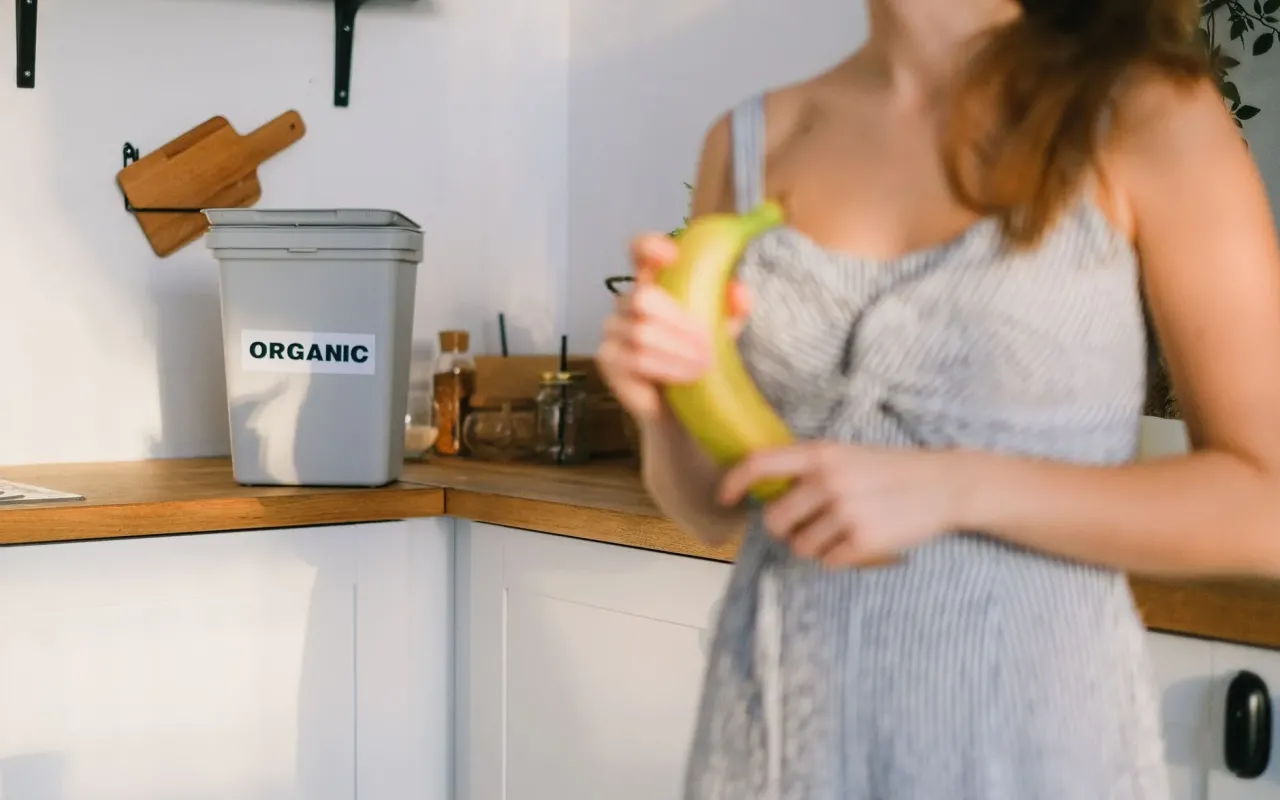
Practical tip: Keep a small countertop container with a charcoal filter for daily scraps. Empty it into your main pile every 2 to 3 days. This prevents fruit flies and keeps your kitchen smelling fresh. I use a simple stainless steel bucket with a lid—costs $15 and lasts years.
Troubleshooting: When Things Go Wrong (and They Will)
Your pile smells like ammonia. Your bin has maggots. Nothing is breaking down after two months. Relax—these are solvable problems, not signs you've failed. Here's how to fix the three most common issues.
Smelly Pile
Ammonia or rotten egg smell means too much nitrogen (greens) and not enough oxygen. Solution: add a thick layer of browns (shredded cardboard, dried leaves, or straw) and turn the pile thoroughly. The smell should disappear within 24 hours. If it persists, your pile might be too wet—add more dry browns.
Pile Not Heating Up
A healthy compost pile should feel warm to the touch in the center (130°F to 150°F). If it's cold, you likely have too many browns or not enough moisture. Solution: add a bucket of fresh grass clippings or vegetable scraps, water it until damp, and turn it. Check again in 3 days. If still cold, add a handful of finished compost or garden soil to introduce more microbes.
Pests (Flies, Ants, or Rodents)
Flies are attracted to exposed food scraps. Always cover fresh greens with a 2-inch layer of browns. Ants indicate the pile is too dry—water it thoroughly. Rodents (rats, mice) are attracted to meat, dairy, or cooked food—stop adding those immediately. If rodents persist, switch to a closed bin or tumbler.
Actionable takeaway: Keep a bag of shredded office paper or dried leaves next to your compost bin. Every time you add kitchen scraps, immediately cover them with a handful. This single habit prevents 90% of pest and odor problems.
When Is It Ready? The Simple Test
Finished compost looks like dark, crumbly soil—not like the original materials you put in. It should smell earthy, like a forest after rain. The texture should be uniform, with no recognizable food scraps (though small twigs or eggshell fragments are fine).
The easiest test: fill a jar halfway with compost, then add water and shake. Let it sit for 10 minutes. If the water turns dark brown and smells like soil, it's ready. If it's clear or smells sour, it needs more time. You can also do the "bag test": seal a handful of compost in a plastic bag for 3 days. If it smells like ammonia when you open it, it's not done yet.
Practical tip: Don't stress about perfection. Even "immature" compost (partially broken down) is still beneficial—just avoid direct contact with plant roots, as it can steal nitrogen from the soil as it finishes decomposing. Use it as a top dressing around trees or shrubs instead.
Once you have finished compost, use it as a 2-inch layer on garden beds, mix it into potting soil at a 1:3 ratio, or brew "compost tea" by steeping a handful in water for 24 hours and using the liquid as a gentle fertilizer. Your plants will thank you with bigger yields, brighter flowers, and fewer diseases.