2 Live Crew loses appeal to reclaim classic album masters; court rules 1995 bankruptcy sale to Lil' Joe Records blocks copyright termination.
- June 8, 2026
AceShowbiz - The hip-hop group 2 Live Crew has suffered a major legal setback after an appeals court overturned their 2024 victory aimed at reclaiming ownership of five of their classic albums.
On June 2, the Eleventh Circuit Court ruled that the masters of recordings created between 1986 and 1989 will remain with Lil' Joe Records, the label that acquired them nearly 30 years ago. The decision hinges on a bankruptcy technicality stemming from a 1995 bankruptcy filing by Uncle Luke’s Luke Records, which allowed Joseph Weinberger’s Lil' Joe Records to purchase the masters for approximately $800,000.
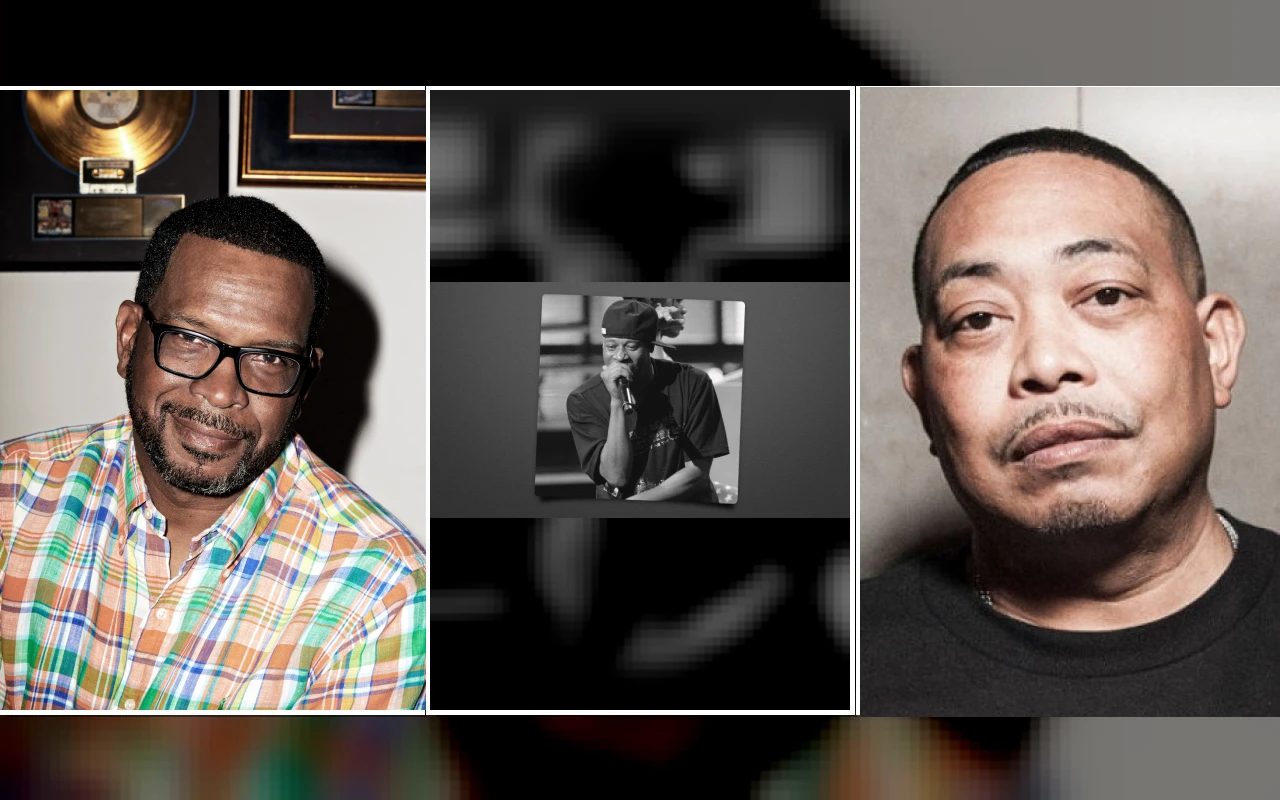
In 2020, 2 Live Crew sought to regain copyrights under Section 203 of the Copyright Act, a provision that permits artists to reclaim rights they previously transferred after 35 years. The group submitted a termination notice signed by three of the four members: Uncle Luke, Brother Marquis, and the heirs of Fresh Kid Ice. However, the court found a critical flaw.
The ruling highlighted that Brother Marquis had filed for Chapter 7 bankruptcy in 2000. This bankruptcy caused his termination interest to become part of his bankruptcy estate and it was never formally relinquished. As a result, the court determined he had no legal authority to sign the 2020 termination notice.
Because of this, only two members had valid signatures on the notice, one short of the majority required by law to effectuate copyright termination. This legal detail means the rights to the albums continue to be owned by Lil’ Joe Records.
The albums involved include the controversial and influential 1989 release, As Nasty As They Wanna Be, which had previously ignited numerous obscenity-related legal disputes during the late 1980s and early 1990s.
2 Live Crew still have options to challenge this ruling. They could pursue claims through Brother Marquis's bankruptcy estate or request a full rehearing before the circuit court. However, this recent decision complicates their path considerably.
The court also clarified that it did not intend to set a broad precedent on how termination interests should be handled in bankruptcy cases, leaving potential legal arguments open for the future.
This article is based on reporting originally published by AllHipHop.