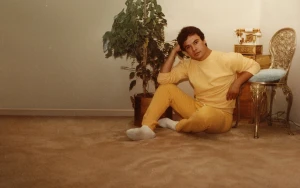
Liz Phair and Sleater-Kinney unite for the first time on "The Flannel and the Fury" Tour, celebrating three decades of feminist alt-rock.
- May 10, 2026
AceShowbiz - In a remarkable convergence of feminist alt-rock forces, Liz Phair and the members of Sleater-Kinney—Carrie Brownstein and Corin Tucker—are joining together for the highly anticipated "The Flannel and the Fury" Tour. Despite three decades of making music within overlapping circles of fans and shared ethos, these influential artists had never before performed on the same stage. This fall, they are set to change that, delivering a powerful live experience across the country that celebrates their shared history and ongoing relevance.
The concept behind the tour originated with Phair, who has long admired the band and recognized the unique opportunity to bring together such iconic female voices in indie rock. "We were post-punk, and I had a whole lot of yearning to be around more women doing what I was doing," Phair explains. While the musicians didn’t share personal histories like partying or dating each other’s partners, they acknowledge a deep, if complex, connection. "Did we hang out, go to parties, date each other's boyfriends, and we're now reconciling? No, we didn't do that. I wish there was that cool backstory, but it's more of a front-story that I'm hoping for," she adds.
For much of their careers, these women were denied the chance to tour together due to industry biases and a scarcity mindset prevalent in the 1990s. Brownstein recalls how promoters were hesitant to book two female-fronted bands on the same bill, fearing it wouldn't work. "It was just like, We can't put both of these female-fronted bands in the same sphere and same element. That doesn't exist anymore. So it's like a reconnection and feels really important to have this through-line," she says. The tour represents not only a musical collaboration but a symbolic step forward in dismantling hierarchical barriers within the music world.
All three artists are in their 50s and see this tour as a statement of endurance and evolution in a challenging industry. Phair emphasizes, "Of all the places to bring hierarchy into, music seems like the last place it should be." Their hope is that this tour inspires others—veteran and emerging musicians alike—to embrace collaboration over competition as a standard practice moving into the future.
Phair took the initiative to propose the tour herself, driven by a longstanding admiration for Sleater-Kinney and a desire to reconnect the women she grew up alongside in the indie-rock scene. "It's been a passion of mine to go back and connect all the female artists I came up with, because at the time, we were kind of separated," she explains. She points out that radio and industry gatekeepers often limited exposure to just one female band or artist per opportunity, creating artificial divisions.
When Tucker and Brownstein were approached to join the tour, their response was immediate and enthusiastic. "Yes, hell yes," Tucker states plainly, underscoring their eagerness. Brownstein elaborates on the dynamic, noting the geographic and scene-based divisions that existed in the '90s. "It felt kind of territorial. It was like, Oh, we're from the Pacific Northwest, we're from the Midwest, we're from D.C. or New York. It was a different time."
Reflecting on their initial encounters with each other’s music, the artists share how their creative paths intertwined within the vibrant underground and riot grrrl scenes. Phair highlights the raw emotional power and intimacy in Sleater-Kinney’s songs, which resonated deeply with her own approach to songwriting. "To get up onstage, take your real life, make it into a song, and absolutely blast it out was exactly how I was feeling," she says. This authenticity created a sense of solidarity among women confronting hostile cultural expectations.
Tucker recalls discovering Phair through a tape called Girly-Sound that was making waves in their circle. She describes the tape as groundbreaking and remembers the thrill of meeting Phair briefly during a tour stop. Her admiration for Phair’s unique storytelling and lyrical insight remains strong, especially given the dual pressures women faced to be both empowered and simultaneously dismissed or criticized. "I related to her music so much," Tucker affirms.
This tension between empowerment messages and societal hostility is a theme that resonates throughout their work. Phair reflects on the contradiction of being told women can "do everything" while facing resistance when they actually act on those opportunities. This fueled much of her creative anger and connected deeply with the feminist ethos expressed by Sleater-Kinney.
Both Phair and Sleater-Kinney have released recent albums that explore emotional depth and transition—Little Rope and Sober-ish respectively. These projects continue to reflect the artists’ willingness to confront personal and political challenges through music. Phair cites the song "One More Hour" as a particularly poignant example of the immediacy and relatability they share in their songwriting. The ability to capture moments of solitude, isolation, and raw emotion remains a unifying thread.
The political landscape of today also plays a significant role in motivating the tour. Phair notes the paradox of living in a wealthy, empowered country while experiencing top-down pressures to “Shut up and sit down.” This feeling of frustration and resistance echoes through their music and is part of why the tour feels urgent and necessary now.
Brownstein shares her perspective on what it means to sustain a long career in music. Starting out, the focus was on the moment and the excitement of being recognized at all, without much thought to the future. Now, she feels relief and admiration that Phair continues to create and perform despite the challenges. Longevity in the music industry is rare and difficult, and many contemporaries have stopped while new artists come and go. The decision to keep making music requires resilience and faith that audiences still want to listen.
The tour is particularly meaningful because both entities are actively creating new records and evolving as artists. Brownstein values hearing stories from across the age spectrum, emphasizing the importance of narratives from artists their own age, which remain underrepresented. This aspect of the tour excites her as a rare opportunity to spotlight mature voices in a youth-focused industry.
Tucker concludes that continuing to make music feels imperative to her identity. This drive to persist, despite obstacles, highlights the deep personal connection these artists have to their work and to each other. The upcoming tour promises to showcase not only their musical talents but also their shared commitment to breaking down divisions and celebrating the power of women in rock music.
In bringing together Liz Phair, Carrie Brownstein, and Corin Tucker on "The Flannel and the Fury" Tour, audiences will witness a rare and historic collaboration. This event not only honors their individual legacies but also marks a significant moment in the ongoing evolution of feminist alt-rock, demonstrating unity, resilience, and creative vitality well into 2026 and beyond.