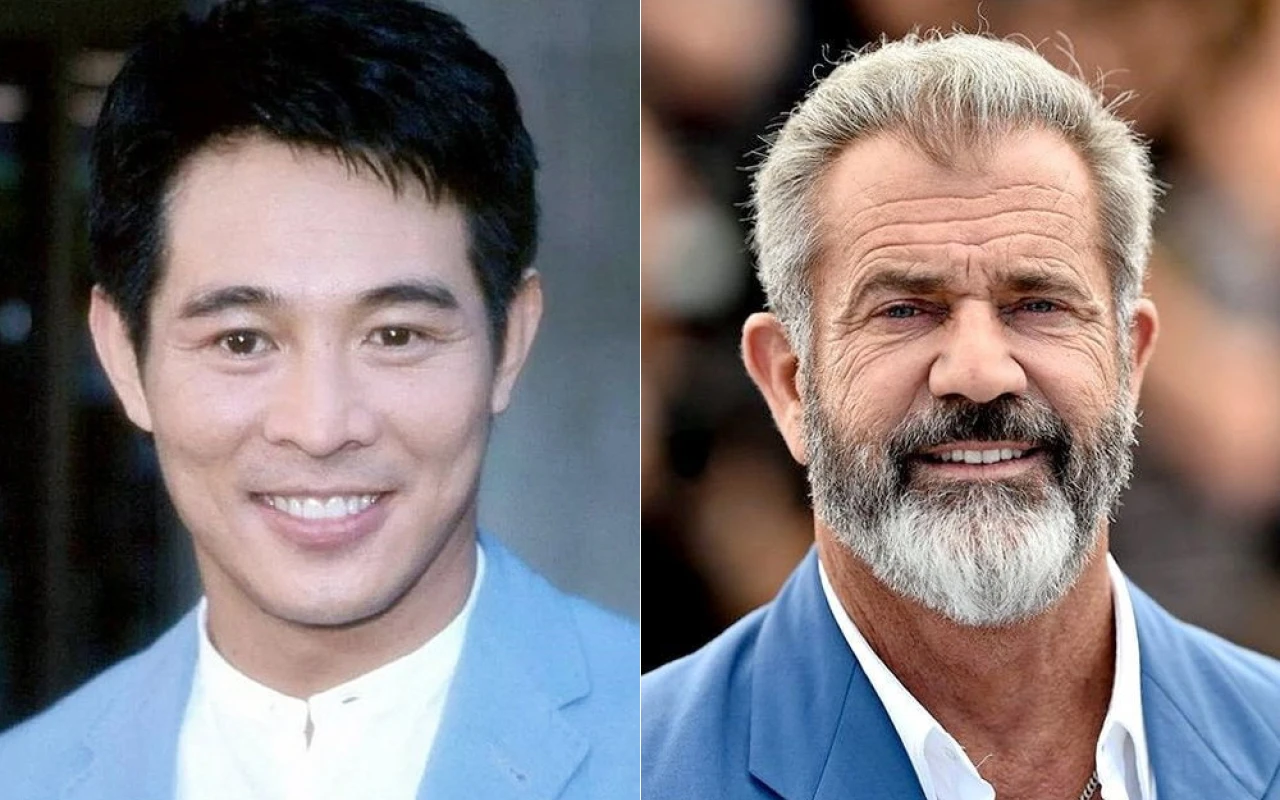
Discover how Jet Li navigated Hollywood's tough business game, accepting a villain role and a slashed $1M offer for Lethal Weapon 4.
- May 7, 2026
AceShowbiz - Jet Li experienced a pivotal transition in his career with the 1998 film Lethal Weapon 4, marking his move from Hong Kong cinema to Hollywood. This step was not just a change in geography but a profound cultural and professional shift that challenged his established identity as a leading hero to embrace the role of a villain for the first time in America.
Before filming began, the contract negotiations for Lethal Weapon 4 offered a revealing glimpse into the American entertainment industry’s business dynamics. The studio initially proposed a $1 million deal, which Jet Li considered carefully. Over the following days, the offer was reduced first to $750,000 and then to $500,000. He came to understand that this was part of the “American game” — a negotiation strategy quite different from his experiences in Asia.
In Asia, Jet Li was a major star whose preferences heavily influenced productions. Directors and studios sought to accommodate him. However, in Hollywood during the late 1990s and early 2000s, roles for Asian actors were extremely limited. This meant Jet Li had to work even harder to prove his worth. He faced the additional hurdle of language barriers, requiring him to learn English from scratch, practicing basic words and phrases like “A is for apple” and “B is for boy” with flashcards.
Another significant adjustment was the shift in the type of character he was cast to play. Known in Asia for his heroic portrayals, such as Wong Fei-hung in Once Upon a Time in China and Chen Zhen in Fist of Legend, Jet Li took on the role of the villainous Triad gangster Wah Sing Ku in Lethal Weapon 4. This character was notably ruthless and cruel, even assaulting a pregnant woman—a far cry from the ethical heroes he had previously embodied.
The original script depicted Wah Sing Ku as even more brutal than the final film. When Jet Li first read the script, it sparked a fierce argument between him and his girlfriend. Though she initially encouraged him to accept the role, she became horrified by the character’s violent nature upon seeing the script and warned him about the potential damage to his career and life. Despite sharing her concerns, Jet Li recognized this opportunity as his entry point into a new market and was determined to prove his capabilities in Hollywood.
Unlike Hong Kong’s film industry in the 1990s, which resembled a close-knit family business where Jet Li had considerable creative input, Hollywood operated as a large corporate environment. The filmmaking process involved numerous gatekeepers—lawyers, managers, agents, and publicity teams—who controlled every decision. Creative visions were subject to approval by executives, and the artist’s influence was limited. This contrasted sharply with the streamlined and homegrown nature of the productions Jet Li was used to, where films were made efficiently with a clear focus on the Asian market.
The success of Lethal Weapon 4 was a breakthrough. Audience tests revealed that Jet Li scored just below Mel Gibson in popularity among both men and women. This led to a major studio executive assuring him, “Okay, Jet, you’re bankable. We’re going to give you $25 million. Go kick some guys’ asses and make a shitburger that will make us all money.” This candid encouragement propelled Jet Li into a series of American action films where he returned to playing heroic roles within a year.
Jet Li reflected on his journey by acknowledging the importance of mental discipline in navigating this challenging period. He maintained a practice of detachment, which helped him stay grounded. While on set for Lethal Weapon 4, he listened to Buddhist teachings through headphones, recited mantras, and flicked his prayer beads during downtime. He dedicated more effort to this spiritual practice than to perfecting his lines or interviews, underscoring his focus on inner growth amid external pressures.
Life’s lessons deepened for Jet Li beyond the film set. In 1999, after remarrying, his third daughter was born in April 2000. That same year brought the painful reality of his mother’s terminal cancer diagnosis. Filming in Paris when he received the news, he immediately left for Beijing to be by her side. To prepare for her passing, he revisited the Tibetan Book of Living and Dying, a text that had introduced him to Buddhism three years earlier.
As his mother’s condition worsened, Jet Li faced the challenge of applying Buddhist principles about death and peace in a difficult, emotional environment. Family and friends surrounded her, their grief intense and palpable, complicating the effort to create a serene atmosphere for her final moments. He consulted with the doctor, who estimated she had about a week to live. In agreement with his eldest sister, they decided to avoid aggressive medical interventions, prioritizing a peaceful death over prolonging life.
During the last days, Jet Li sought to provide comfort to his mother and reassurance to himself. He asked everyone to leave the room so they could share a quiet moment. Holding her hand and feeling her pulse, he expressed his commitment to care for the family after her passing, ensuring her grandchildren’s education and his siblings’ wellbeing. His mother, silent for a time, finally spoke a profound phrase: “It’s just a matter of breath.” Hours later, she passed away peacefully.
This experience underscored for Jet Li the transient nature of life, its fragility and beauty, and the importance of acceptance. His journey from hero to villain on screen and back, combined with personal trials, shaped a perspective grounded in resilience and mindful detachment. It was this mindset that allowed him to break into Hollywood, face adversity, and find peace amid loss.
From BEYOND LIFE AND DEATH by Jet Li, published by Tarcher, an imprint of Penguin Publishing Group, a division of Penguin Random House, LLC. Copyright © 2026 by Jet Li.