Kurt Russell reveals the true meaning behind The Thing's iconic ambiguous ending, explaining how paranoia defines the 1982 horror classic.
- May 6, 2026
AceShowbiz - Kurt Russell has finally explained the real meaning behind the enigmatic ending of the 1982 horror classic, The Thing. When the film originally premiered, it faced mixed to negative reviews from critics, but over time it has evolved into a celebrated cult classic. Based on the 1938 novella Who Goes There by John W. Campbell Jr., The Thing is a remake of the 1951 film The Thing from Another World, and it aims to be far more faithful to the original source material.
Kurt Russell plays R.J. MacReady, a memorable lead in this suspenseful horror film that is often discussed for its mysterious and ambiguous ending. In a recent interview with MovieWeb, Russell shed light on the true essence of the film’s conclusion, emphasizing that it centers on the theme of paranoia. He explained, "Then when you finally get to the end, you have these two guys that both have a legitimate reason to suspect the other, and it's just, in other words, it's a movie about paranoia, and it isn't going away. It's not going away."
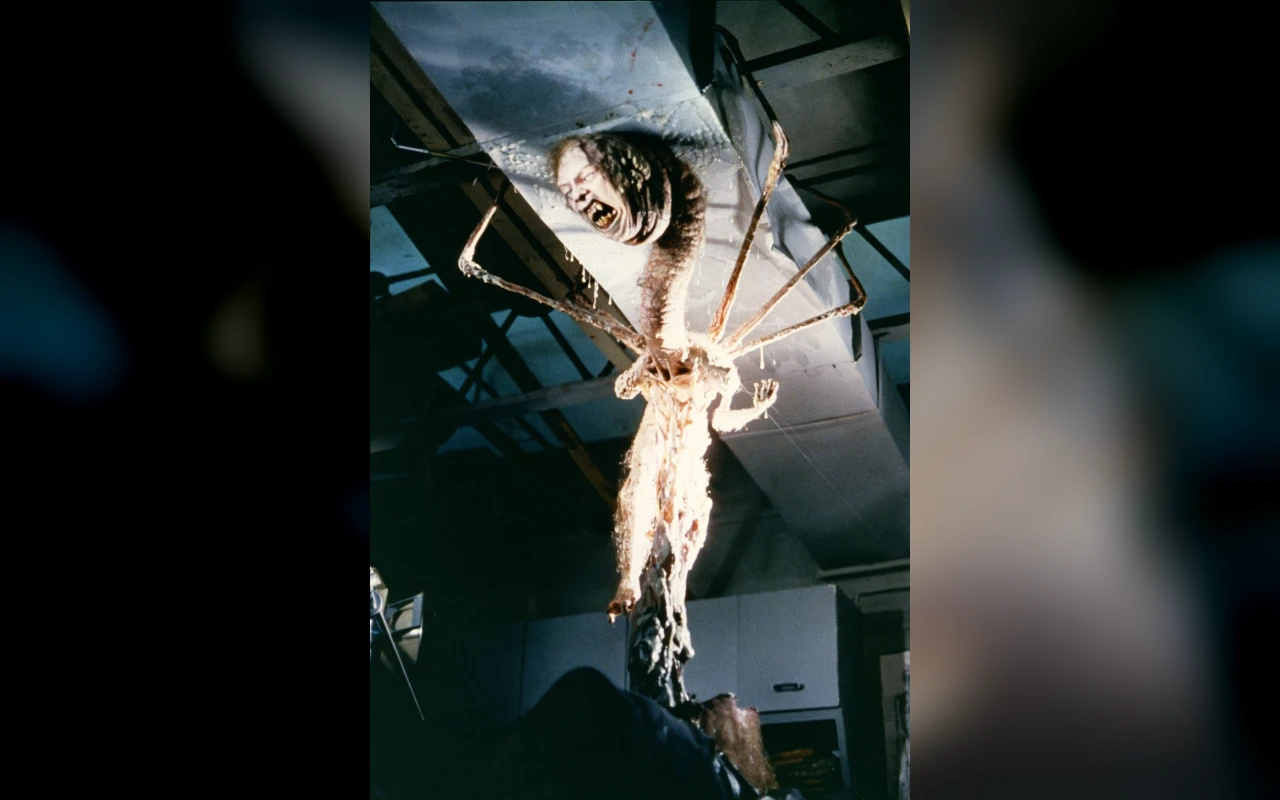
The Thing follows a group of researchers stationed in Antarctica who encounter an alien life form capable of assimilating and perfectly mimicking any living being. The movie is renowned for its intense suspense, groundbreaking practical effects, and graphic gore. However, it is the ending that remains one of the most debated and iconic stalemates in cinema history. After the research station is obliterated, only two survivors remain: R.J. MacReady and Childs, played by Keith David.
In the final scene, Childs reappears from the wreckage, and the two men sit across from each other in the snow. MacReady suggests, "Why don't we just wait here for a little while, see what happens?" This line perfectly encapsulates the film’s atmosphere of uncertainty, mystery, and lingering suspense.
Countless theories have emerged regarding the film’s ambiguous conclusion. One popular theory focuses on the characters’ eyes, proposing that a specific glow or light in the eyes reveals who is still human. Another theory examines the visibility of breath in the freezing Antarctic air, questioning whether this indicates who is real. Additionally, there’s the gasoline theory: fans speculate that MacReady may have filled the scotch bottle he shares with Childs with gasoline, similar to the Molotov cocktails he uses earlier in the film. Childs drinking the “scotch” without reaction could suggest that he has been assimilated, imitating a human facade.
For fans who crave deeper film analysis and discussions about mysteries like those in The Thing, subscribing to newsletters that offer thoughtful breakdowns can enrich their viewing experience. These analyses explore the film’s storytelling, endings, and thematic choices, like its paranoia-driven finale.
During his interview with MovieWeb, Russell reflected on the significance of the film’s ending, stating, "To me, the greatest thing about The Thing is the ending, and it's what has given it its life. It's tough, you can go a hundred different ways and say, 'Well, there was this, or there was that, well, look what that was...' All of that's intentional, because the screenplay and the story itself provided the space for that to happen in... the more you present, the more it gets the audience to thinking, 'Uh-oh, wait, wait, wait.'"
Today, The Thing is widely regarded as one of the greatest and most terrifying horror movies ever made. Directed by John Carpenter, the film’s central theme of paranoia has now been clearly affirmed by Kurt Russell. The ambiguity and open-ended nature of the film’s conclusion are deliberate; if definitive answers were provided, the movie would lose the very tension and suspense that make it so compelling.
This paranoia-filled, cliffhanger ending gives justice to the film’s narrative because ultimately, no one truly knows who or what the Thing is — nor if either survivor can be trusted. The uncertainty leaves audiences with a lingering sense of dread and speculation, which has kept The Thing alive in the cultural imagination for over four decades.
The Thing was released on June 25, 1982, with a runtime of 109 minutes. It was directed by John Carpenter and starred Kurt Russell as MacReady and Keith David as Childs. The screenplay was written by Bill Lancaster, based on the novella by John W. Campbell Jr., and the film was produced by David Foster and Lawrence Turman. Despite its initially mixed reception, the movie has since become a cornerstone of the horror and science fiction genres, praised for its innovative effects, intense atmosphere, and thematic depth.