Explore why Spider-Man: No Way Home's emotional ending and Peter Parker's ultimate sacrifice made it a $1.9B triumph—nostalgia meets responsibility.
- May 2, 2026
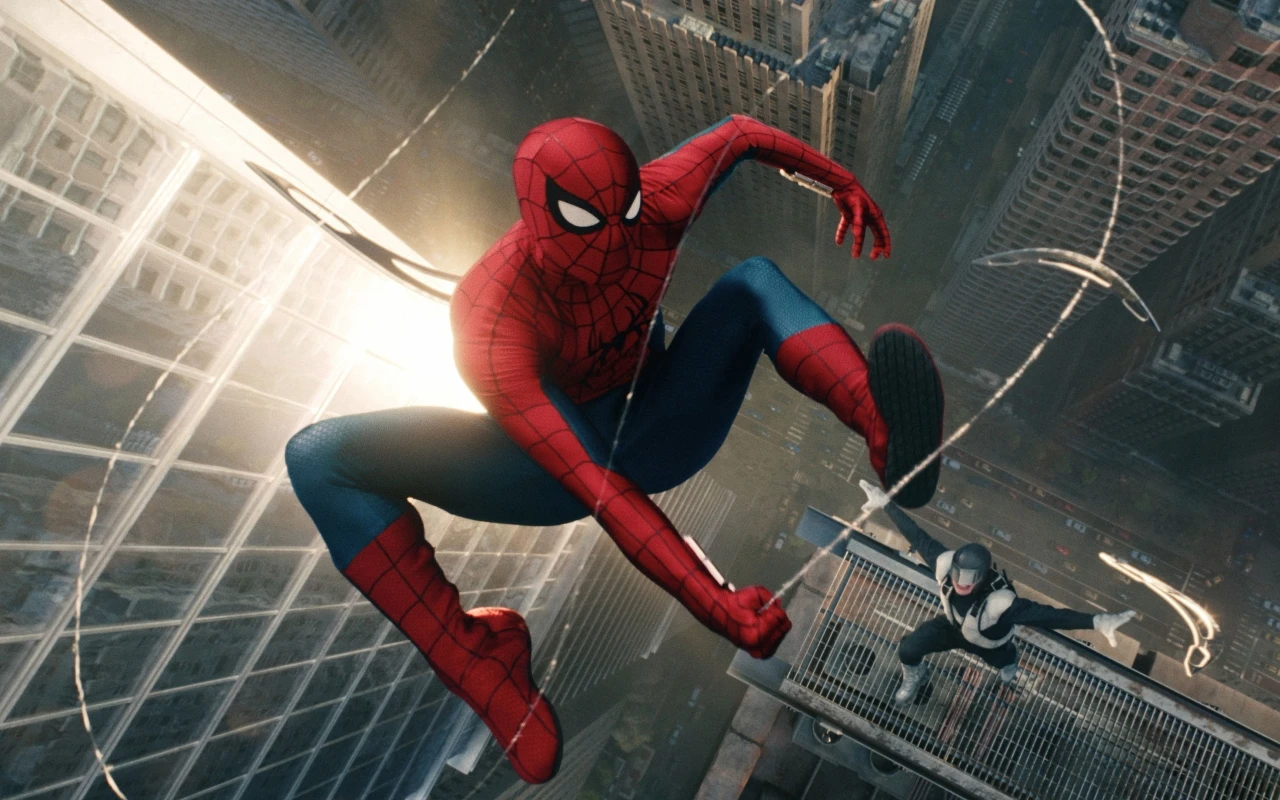
AceShowbiz - Spider-Man: No Way Home stands as one of the Marvel Cinematic Universe's most successful films, grossing $1.9 billion globally and earning critical praise. Its triumph largely stems from the nostalgic elements woven into the story, yet the film managed to deliver fan service without losing focus on Tom Holland’s iteration of Spider-Man. At the heart of the film is a deeply emotional narrative about the true meaning of responsibility, highlighted by Peter Parker’s ultimate sacrifice.
In the closing act of No Way Home, Peter makes a heartrending choice. He asks Doctor Strange to cast a spell that erases everyone’s memory of him, including his closest friends and loved ones. This decision encapsulates one of the most powerful moments in Holland’s run as Spider-Man, underscoring the theme of selflessness that defines his hero’s journey.
While the ending’s emotional weight resonated strongly with audiences, recent revelations about the upcoming Spider-Man: Brand New Day suggest that Marvel might be poised to undo this conclusion. This prospect has sparked debate among fans, as the No Way Home finale feels like a permanent turning point. Yet, after reviewing new script annotations and insights shared by Marvel, it appears that reversing the ending is necessary—and there’s a thoughtful way to handle it.
A key element in understanding this shift lies in the interpretation of Aunt May’s final lesson. In No Way Home, just before her death, May imparts her iconic advice to Peter: "with great power comes great responsibility." This advice was meant to guide him to use his abilities for the greater good, including helping the villains he encountered. However, in the Brand New Day script, Peter’s voiceover reveals he has misunderstood this message, thinking his responsibility means isolating himself to protect those around him.
Director Destin Daniel Cretton’s notes on the script highlight this misinterpretation explicitly. Peter reads a letter he wrote to MJ, explaining why he refuses to reconnect with her and Ned, claiming it’s his duty “to live alone with the truth.” This contrasts with May’s original intent, which was for Peter to embrace his power and connections to help others, not to sever them.
This misunderstanding likely stems from Peter’s guilt over the disastrous spell cast by Doctor Strange, which inadvertently triggered the multiversal chaos and ultimately caused May’s death. Peter’s logic is that by remaining alone and unknown as Spider-Man, he can prevent further harm to those he cares about. However, the Brand New Day script portrays this mindset as unhealthy, showing Peter as a lonely figure struggling with isolation.
According to the script’s annotations, Peter has become a “superhero hermit” over the nine months since No Way Home. He is depicted as “entirely alone” except for his AI assistant, E.V., and even dismisses troubling headaches linked to his mutating DNA. Cretton’s notes call out these “signs of unhealthy living,” setting the stage for Peter’s emotional growth throughout the new film. This narrative direction makes it clear that Brand New Day will explore Peter’s journey toward breaking free from isolation and rediscovering meaningful connections.
It makes narrative sense for the impact of No Way Home to echo throughout Brand New Day. The ending was monumental, so it deserves to be a lasting thread. Nevertheless, Holland’s Spider-Man cannot remain a permanently withdrawn and despondent figure. While solitude is a compelling theme for a single film, sustaining it long-term would feel limiting, especially when considering other Spider-Man versions have had robust support systems.
For example, Tobey Maguire’s Spider-Man had Aunt May as a crucial anchor, Andrew Garfield’s was deeply connected to Gwen Stacy, and Miles Morales in the Spider-Verse films relies on a network of other Spider-People. Support systems are fundamental to Spider-Man’s character, and Holland’s Peter will need one to continue his story effectively.
Restoring Peter’s relationships with Ned and MJ exactly as they were would undermine the emotional stakes of No Way Home and contradict the theme behind the title Brand New Day. This film is meant to mark a fresh chapter for Peter Parker, not a reset to the previous status quo. Instead, Peter must move forward, which implies moving on from his past bonds.
Signs in the script suggest that reconnecting with Ned and MJ might be impossible. MJ has a new boyfriend, indicating she has moved on, and Ned appears to have made new friends in college. Peter’s desire to return to his former life clashes with the reality that years of shared experiences can’t be recaptured overnight. Rather than attempting to revive old relationships, the story encourages Peter to forge new ones.
This approach allows Marvel to effectively “undo” the No Way Home ending in a way that respects the original’s emotional impact. New characters introduced in Brand New Day can fill the role of Peter’s support system. For instance, Bruce Banner showing interest in Peter’s evolving DNA hints at new mentorship or friendship possibilities. This strategy preserves the essence of the original sacrifice—Peter cutting ties with Ned and MJ—while moving his story into uncharted territory.
Such a direction aligns with the metaphor of high school students transitioning to college, representing a genuine “brand new day” for Peter Parker. While No Way Home portrayed the responsible choice as sacrificing personal relationships, Aunt May’s message was never about living life isolated. Brand New Day provides an opportunity for Peter to relearn that responsibility includes allowing others in.
In summary, Marvel’s plan to revisit and recalibrate the ending of No Way Home in Brand New Day is both necessary and promising. By addressing Peter’s isolation and misunderstanding of May’s lesson, the new film will deepen his character development. It will maintain the emotional weight of the original sacrifice while opening the door for growth, new relationships, and a fresh start for Spider-Man.
What are your thoughts on Marvel potentially undoing the No Way Home ending? Join the conversation and share your opinions in the ComicBook Forum!