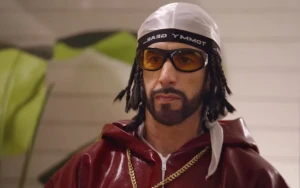
The Call of Duty movie faces hurdles: no clear protagonist, in-game toxicity, and director Peter Berg’s resurfaced anti-war game remarks.
- April 30, 2026
AceShowbiz - The upcoming Call of Duty movie is encountering challenges even before its release. Based on one of the most popular video game franchises globally, the film faces the inherent difficulty of adapting a multiplayer-based game without widely recognized characters—aside from a few like Major Price or Soap. This leaves the movie without a clear protagonist to anchor its story, making audience connection tougher. The game’s reputation for in-game toxicity, with offensive remarks often shouted by young players, adds to the uphill battle for the filmmakers to win over fans and casual viewers alike.
Adding to the difficulties, the film’s director, Peter Berg, has come under scrutiny after resurfaced comments from a 2013 interview with Esquire highlighted his critical stance on war-themed video games. These remarks have sparked fresh controversy now that Berg is helming the live-action adaptation, co-written by Taylor Sheridan, the creator of Yellowstone.
In the original interview, Berg described players of war video games in blunt terms, stating, "Pathetic. Pathetic. Keyboard courage. Can't stand it." He further clarified that the only exception he made was for actual military personnel, acknowledging their service and boredom as possible reasons for playing. However, his opinion of younger players was decidedly harsh: "Kids? Uh-uh."
Berg also mentioned that he had discussed these views with Navy SEALs who played Call of Duty, noting, "I think anyone that sits around playing video games for four hours... It's weak. Get out, do something." Although these comments were made over a decade ago, and it remains unclear if Berg has since revised his perspective, they do not provide a solid foundation for embracing the game’s dedicated fanbase—the very audience the movie will depend on for box office success.
The backlash stems from the concern that disparaging remarks about gamers could alienate the audience and dampen enthusiasm for the movie adaptation. With Taylor Sheridan involved as a co-writer, known for his gritty, character-driven storytelling in television series like Yellowstone, there is hope that the film will offer a nuanced take on its source material. Still, the controversy surrounding the director’s past comments has cast a shadow over the project’s initial reception.
Fans and critics alike are watching closely to see how the creative team will handle the transition from game to screen, especially given the lack of iconic characters with deep narrative arcs in the game franchise. The multiplayer-centric nature of Call of Duty means that the film must create an engaging story that resonates beyond the gameplay mechanics and competitive online environment.
While the project promises to bring the high-intensity action and military themes familiar to fans, the resurfaced remarks from Berg have reminded audiences of the delicate relationship between video games and their adaptations. As the movie moves closer to production and eventual release, the filmmakers face the dual task of courting a fanbase that expects respect and authenticity, while also appealing to a broader audience unfamiliar with the game’s online culture.
The situation highlights a broader challenge in adapting video games to film: balancing the expectations of dedicated gamers with the storytelling conventions of cinema. For Call of Duty, the pressure is heightened by its status as one of the most successful video game franchises worldwide and the scrutiny that comes with such a high-profile adaptation.
With the collaboration of Taylor Sheridan and Peter Berg, the project carries significant creative potential. However, the director’s earlier expressed disdain for gamers may complicate its reception. Industry observers and fans alike will be keen to see if the movie can overcome this rocky start and deliver an experience that honors the spirit of the game while forging its own cinematic identity.
As production progresses, hope remains that Berg’s views have evolved and that the film will ultimately serve as a bridge between the gaming community and mainstream audiences, rather than a point of division. The Call of Duty movie’s success will depend not only on action and storytelling but also on its ability to connect with the passionate players who have made the franchise a cultural phenomenon.
For now, the controversy serves as a reminder of the complexities involved in adapting interactive entertainment into passive viewing experiences and the importance of respecting the fans who support such endeavors. The film’s journey to the big screen is just beginning, but the legacy of these comments will likely influence public perception as the release date approaches.